153 Million Driver's Licenses For Sale on Dark Web, FBI Investigates Car Rental Breach
A massive data breach linked to a car rental transaction has exposed 153 million driver's licenses, now for sale on a dark website, prompting an FBI investigation into an unprecedented identity theft threat.
✨ This content was summarized and interpreted by AI; it may contain errors — please verify accuracy with the original sources. Learn more
Listen to this story
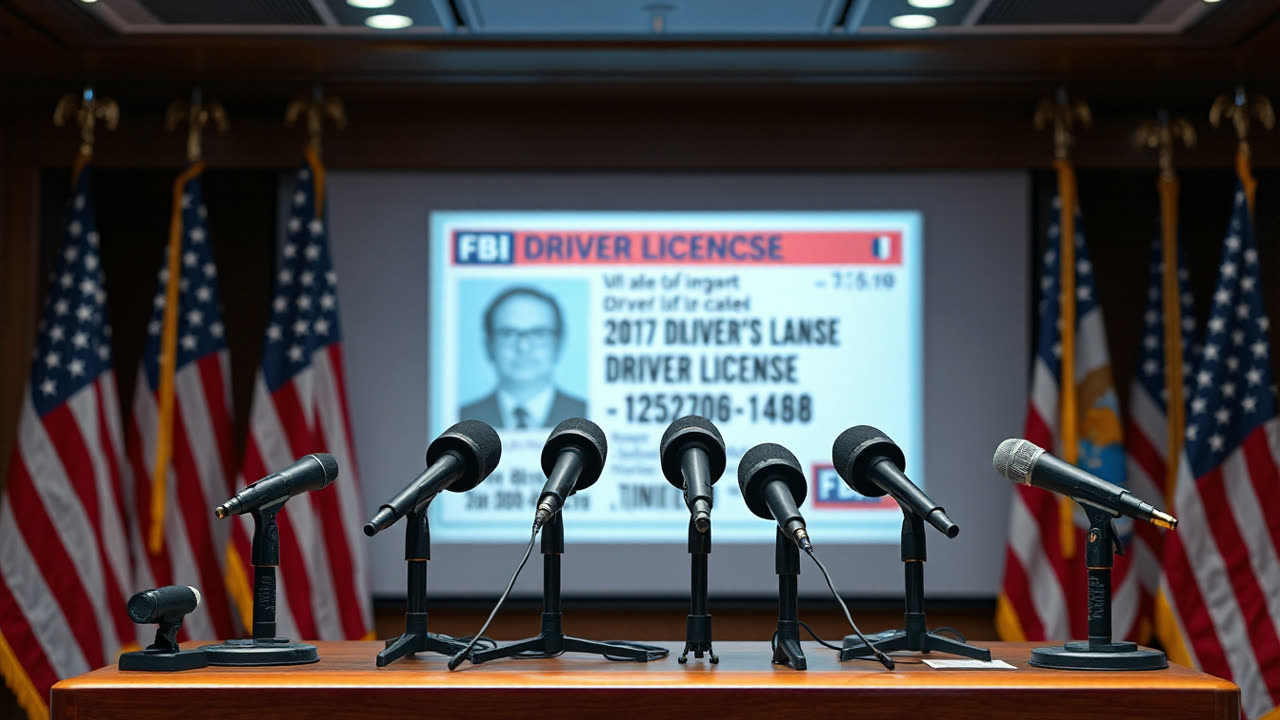
A staggering 153 million driver's licenses are reportedly for sale on a new dark website, with the FBI now investigating a massive data breach linked to a car rental transaction that exposed sensitive personal identification data in real-time. This unprecedented scale and the specific nature of the compromised information — government-issued IDs — elevate the incident far beyond a typical data leak, posing an immediate and severe threat of identity theft and synthetic identity fraud to millions. The breach, brought to light by an Ars Technica report in early September 2026, details how an individual's driver's license appeared on the illicit market just hours after renting a vehicle, suggesting a direct compromise within the car rental company's systems or a closely related third-party vendor.
The immediate implications for the 153 million affected individuals are dire. Unlike credit card numbers, which can be canceled and reissued, a driver's license number, often tied to social security numbers and other foundational identity elements, is a persistent identifier that is far more difficult to change. With this data, sophisticated fraudsters can open new lines of credit, file fraudulent tax returns, access medical records, or even create entirely new synthetic identities, which are notoriously difficult for financial institutions and law enforcement to detect and unwind. The black market value of a complete driver's license profile, including associated personal details, far exceeds that of a mere credit card number, reflecting its utility in constructing robust fake identities. This incident underscores a critical vulnerability in how industries handling essential identity documents manage and protect customer data, especially those with high transaction volumes and transient customer bases like car rental agencies.
For the car rental industry, this breach represents a catastrophic blow to consumer trust and a potential turning point for data security standards. Historically, while car rental companies collect extensive personal information—including names, addresses, dates of birth, and driver's license details—their cybersecurity measures have not always been under the same intense scrutiny as those in the financial or healthcare sectors. This event will undoubtedly force a harsh re-evaluation of their entire data lifecycle management, from collection and storage to third-party sharing and disposal. The reputational damage to the implicated company, yet to be publicly named in connection with the FBI investigation, could be insurmountable, leading to significant customer churn and potential legal ramifications, including class-action lawsuits and hefty regulatory fines under increasingly stringent data protection laws like GDPR and emerging state-level privacy acts.
Comparing this incident to past breaches reveals a troubling escalation. While breaches like the 2017 Equifax incident exposed Social Security numbers and birth dates for 147 million Americans, this current event specifically targets driver's licenses on an even larger scale, providing a direct gateway to physical and digital identity impersonation. Previous compromises in sectors like hospitality have often focused on payment card data, which, while damaging, typically offers more straightforward remediation for victims. The sheer volume of this breach, combined with the immutable nature of the compromised data, places it among the most significant identity theft threats in recent history. It highlights a continuing failure across various industries to adequately secure the foundational identity documents that underpin modern life, despite years of warnings and regulatory pressures.
Looking ahead, the fallout from this breach will likely prompt several significant developments. Victims will face years of vigilance, needing to actively monitor credit reports, freeze credit, and potentially enroll in identity theft protection services to mitigate risks. Regulators, spurred by the FBI's involvement and the scale of the compromise, are almost certain to intensify oversight of data security practices within the car rental and broader travel industries. This could lead to new, sector-specific cybersecurity mandates, stricter audit requirements, and potentially harsher penalties for non-compliance. Technologically, there will be an accelerated push towards more secure, perhaps tokenized or blockchain-based, methods for verifying identity in sensitive transactions, moving away from reliance on easily copied or stolen physical documents and their digital counterparts. Furthermore, the incident may galvanize a broader societal discussion about the inherent risks of centralized data storage and the need for individuals to have greater control over their digital identities, potentially accelerating the adoption of decentralized identity solutions. The dark web market, however, will continue to evolve, leveraging such massive datasets to refine its fraudulent operations, making ongoing vigilance and adaptive security measures an imperative for both individuals and corporations alike.
**References**
1. My driver's license is one of 153 million for sale on a new dark website. Ars Technica.
2. FBI Reportedly Investigating Massive Data Breach Involving Driver's Licenses. TechCrunch.
3. What to do if your driver's license number is stolen. IdentityTheft.gov.
4. The Rise of Synthetic Identity Fraud. Federal Reserve.
5. Data Breach Fines and Penalties by Country. Varonis.
6. Equifax Data Breach Settlement. FTC.
7. Steps to Take After a Data Breach. Consumer Financial Protection Bureau.
FACTS: I rented a car, and within hours, my driver's license was for sale — The FBI is reportedly investigating a massive data breach that is unfolding in real time. (kaynak: Ars Technica, https://arstechnica.com/security/2026/09/my-drivers-license-is-one-of-153-million-for-sale-on-a-new-dark-website/)