2027 Kia EV3 Secures 321-Mile EPA Range, Disrupting Affordable EV Market
Kia's upcoming compact electric SUV achieves an impressive 321-mile EPA-estimated range, setting a new benchmark for affordability and long-distance capability in the mass-market EV segment.
✨ This content was summarized and interpreted by AI; it may contain errors — please verify accuracy with the original sources. Learn more
Listen to this story
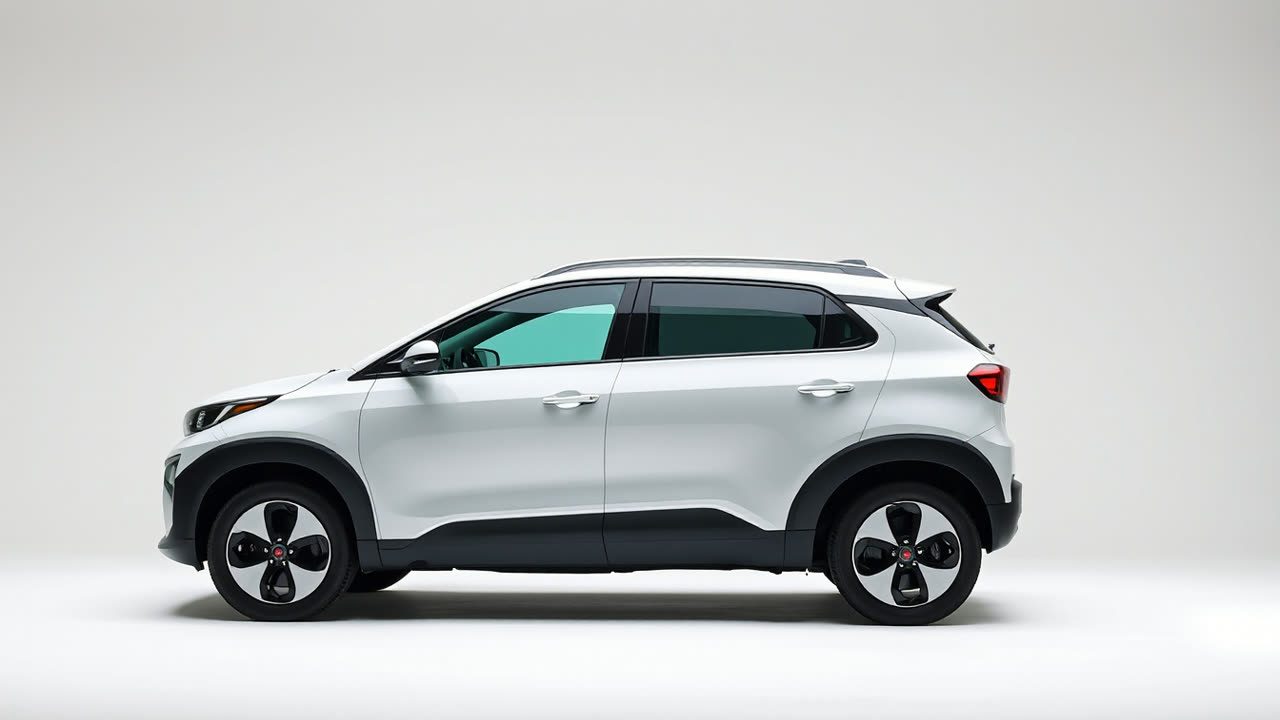
The 2027 Kia EV3 has officially secured an EPA-estimated driving range of up to 321 miles, positioning Kia's forthcoming compact electric SUV as a significant disruptor in the burgeoning affordable EV segment, with sales anticipated to commence imminently. This impressive range figure, exceeding many expectations for a vehicle projected to start around the low to mid-$30,000s, directly addresses one of the primary barriers to broader electric vehicle adoption: range anxiety coupled with high upfront cost. The EV3's long-distance capability, particularly for its class, could profoundly accelerate the transition for mainstream buyers, shifting the perception of EVs from niche luxury items to practical, everyday transportation.
The core news underscores Kia's aggressive electrification strategy, aiming to democratize EV ownership. While specific battery capacities for the EPA-rated 321-mile variant haven't been fully detailed across all trims, industry speculation, supported by earlier global reveals, suggests a larger 81.4 kWh battery option will be central to achieving this benchmark, likely alongside a standard 58.3 kWh pack for entry-level models offering a still-competitive, albeit lower, range. This strategic offering of multiple battery configurations allows Kia to cater to both budget-conscious consumers and those prioritizing maximum range, without forcing all buyers into a premium price bracket. The EV3's design, derived from Kia's "Opposites United" philosophy, promises a blend of SUV ruggedness and futuristic aesthetics, further enhancing its appeal beyond mere technical specifications.
The impact on users is multifaceted. For many, the 321-mile range alleviates concerns about daily commuting and occasional longer trips, making the EV3 a viable single-car solution for families. This range also opens up access to public charging infrastructure that might be less dense in certain regions, as fewer charging stops would be required. Furthermore, at an anticipated price point significantly below premium EVs, the EV3 brings advanced EV technology and substantial range within reach of a much wider demographic. This accessibility can foster greater trust in EV technology and accelerate the development of a robust secondary market for used EVs, further boosting adoption. For the industry, the EV3's range-to-price ratio sets a new benchmark, putting immense pressure on competitors. Rivals like the Chevrolet Bolt EUV, while more established, offers a maximum EPA range of 247 miles and is nearing the end of its production run, making the EV3 a compelling alternative. Newer entrants and upcoming models such as the Honda Prologue and Hyundai Kona Electric (which tops out around 261 miles for its long-range variant) will find themselves directly challenged by the EV3's superior range figure in a similar size and price class. This competitive pressure is likely to drive further innovation in battery technology, cost reduction, and charging infrastructure development across the board.
In comparison to Kia's existing lineup, the EV3 slots in below the larger EV6 and flagship EV9, yet it leverages the same dedicated E-GMP platform, albeit in a more compact and cost-optimized form. This allows it to benefit from the platform's advantages, including fast charging capabilities (potentially 10-80% in under 30 minutes with its larger battery pack), excellent interior packaging, and robust performance characteristics. The EV3 represents Kia’s maturation in the EV space, moving beyond initial forays to deliver a highly competitive product for the mass market. Its predecessor, in a spiritual sense, might be considered the Niro EV, but the EV3 marks a distinct leap forward in terms of dedicated EV architecture, range, and aggressive pricing strategy. The evolution from first-generation EVs, often limited by range and burdened by high costs, to vehicles like the EV3 highlights the rapid progress in battery density, efficiency, and manufacturing scale.
Looking ahead, the success of the EV3 will likely embolden Kia to further expand its affordable EV offerings, potentially accelerating the development of even smaller or more specialized electric vehicles. The aggressive pricing and range combination could force other legacy automakers to re-evaluate their own EV strategies, particularly regarding their entry-level and compact SUV segments. We can anticipate a renewed focus on optimizing battery chemistry for cost and energy density, alongside greater emphasis on efficient manufacturing processes to compete with Kia’s value proposition. Furthermore, the EV3’s strong showing could spur increased government incentives and infrastructure investment, as more compelling and accessible EVs enter the market, creating a positive feedback loop for overall EV adoption. The immediate future will see Kia rolling out the EV3 in key global markets, with North America being a primary focus, and its real-world performance and sales figures will provide crucial insights into the true tipping point for mainstream EV acceptance.