Acer's Project DualPlay Mini Transforms Gaming Handheld into Mini-Laptop
Acer's Predator-branded Project DualPlay Mini, unveiled at IFA 2026, is a conceptual 8-inch gaming handheld that ingeniously transforms into a miniature laptop via a unique flip-and-swivel mechanism, bridging the gap between portable gaming and productivity.
✨ This content was summarized and interpreted by AI; it may contain errors — please verify accuracy with the original sources. Learn more
Listen to this story
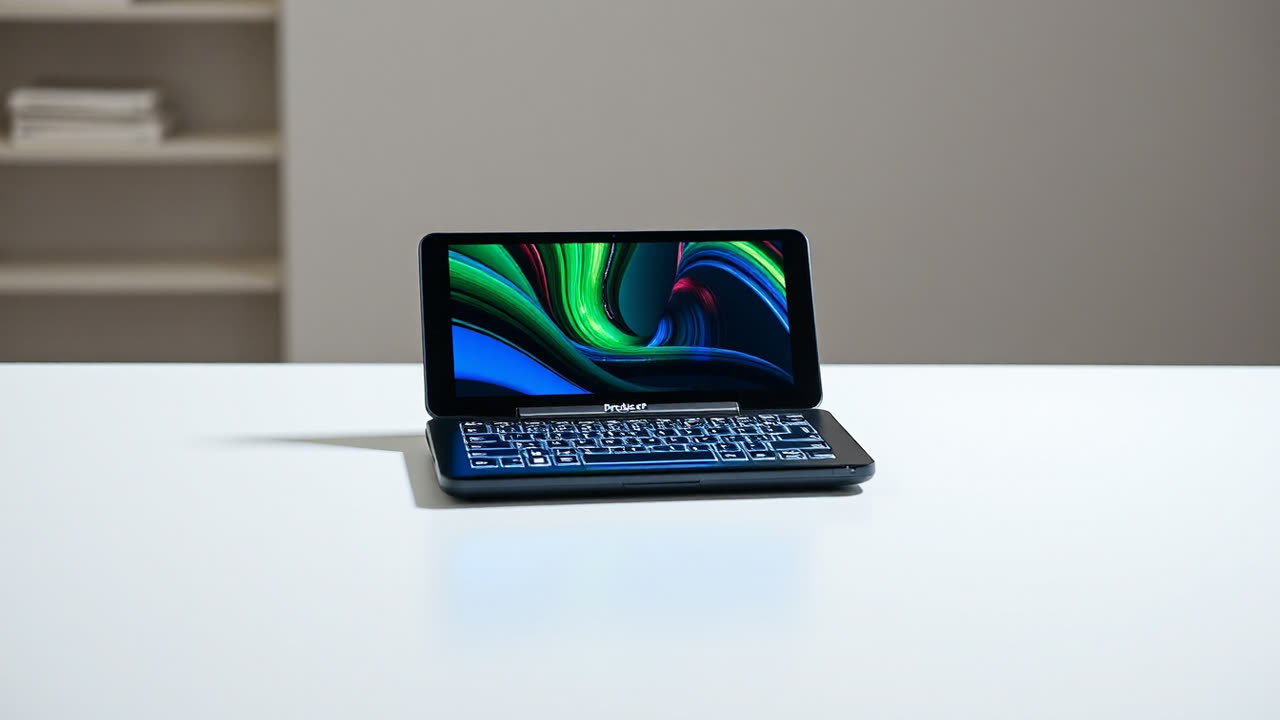
Acer's Project DualPlay Mini, unveiled at IFA 2026, represents a bold conceptual leap in portable computing, transforming an 8-inch gaming handheld into a miniature laptop through an intricate flip-and-swivel mechanism. This Predator-branded prototype, celebrating Acer's 50th anniversary, features an 8-inch IPS display with a crisp 120Hz refresh rate and 500 nits of brightness, mirroring the specifications of the brand's Predator Atlas 8 handheld. Underneath its gaming controls—standard analog sticks, a D-pad, ABXY buttons, and shoulder triggers—lies a backlit physical keyboard, revealed when the screen is rotated. This dual-mode design aims to bridge the gap between dedicated gaming and productivity, allowing users to switch from immersive handheld play to a more traditional laptop experience for tasks like email, document editing, and even specific game genres like first-person shooters or MOBAs that benefit from keyboard input.
Powering this ambitious concept is an unspecified Intel processor, likely from the Intel Arc G3 series or a Panther Lake chip, cooled by an advanced dual-fan system that includes a metal Predator AeroBlade fan, purportedly increasing airflow by up to 10% compared to standard plastic fans. Connectivity is robust, with two USB-C ports, at least one supporting Thunderbolt 4, alongside a UHS-II microSD slot, a 3.5mm combo jack, Wi-Fi 7, and Bluetooth 5.4, allowing for external display connections and versatile peripheral integration. The device is speculatively configured with up to 24GB of LPDDR5X-7467 RAM and a 1TB PCIe 4 NVMe SSD, with battery options ranging from 60Whr (under 700g) to 80Whr (under 750g), suggesting a focus on both performance and portability.
The significance of the DualPlay Mini extends beyond its technical ingenuity. It addresses a persistent consumer desire for convergence, offering a single device that can fluidly adapt to diverse computing needs—a portable gaming powerhouse for on-the-go entertainment and a capable, albeit tiny, workstation for light productivity. This flexibility could fundamentally alter user expectations for handheld PCs, pushing them beyond mere gaming consoles with PC internals. For the industry, Acer's commitment to showcasing this concept—having revealed variations since IFA 2024 and CES 2025—signals a strategic belief in the viability of such hybrid form factors, potentially catalyzing further innovation among rivals. It challenges the prevailing trend where handhelds often rely on external docks and peripherals to achieve laptop-like functionality, instead integrating these capabilities directly into the device's core design.
The current handheld gaming PC market, experiencing "staggering +9,900% growth" since the Steam Deck's inception, is ripe for such experimentation, yet it also faces significant hurdles. Devices like the Asus ROG Xbox Ally X, priced at $999 with its Ryzen AI Z2 Extreme processor and 24GB LPDDR5X RAM, or the high-end OneXPlayer 3 at around $1,500, offer formidable gaming performance but typically maintain a dedicated handheld form factor. While OEMs such as Ayaneo, Onexplayer, and GPD have explored handheld-laptop hybrids, Acer's distinctive transforming mechanism sets the DualPlay Mini apart, offering a more integrated and seamless transition than simply connecting an external keyboard. However, the market is currently grappling with a severe "RAM crisis," driven by surging demand for AI servers, which has led to significant price increases across the board, making devices like the Lenovo Legion Go 2 see price jumps of 15% and component costs for RAM rising by as much as 41%. This volatile economic landscape could pose a substantial challenge to the eventual pricing and mass production of a complex, innovative concept like the DualPlay Mini.
Looking ahead, the DualPlay Mini’s journey from concept to potential product is fraught with both promise and practical considerations. While the ambition to consolidate gaming and productivity into one device is compelling, the inherent compromises of an 8-inch screen for extended productivity and a potentially bulky form factor for a handheld remain valid concerns. The historical failure of netbooks due to underpowered performance and suboptimal user experience casts a long shadow, though the DualPlay Mini's modern, high-performance internals and a clear focus on gaming could help it avoid similar pitfalls. Even if the Project DualPlay Mini never reaches mass production in its current form, its sophisticated hinge design, integrated keyboard, and advanced cooling solutions could well influence future Acer products or inspire competitors to explore more deeply integrated hybrid designs. This concept underscores a broader industry trend towards versatile, do-it-all devices, suggesting that the future of portable computing might indeed lie in machines that fluidly adapt, rather than simply connect, to meet the evolving demands of both work and play.