Acer Swift Air 14 Review: Strong Battery, Many Ports, But a Lesser Display
The Acer Swift Air 14 enters the competitive budget laptop market at an aggressive $699, offering an aluminum chassis, an unusually generous array of physical ports for its class, and strong battery life, though its appeal is tempered by a comparatively subpar display and a significant amount of pre-installed bloatware.
✨ This content was summarized and interpreted by AI; it may contain errors — please verify accuracy with the original sources. Learn more
Listen to this story
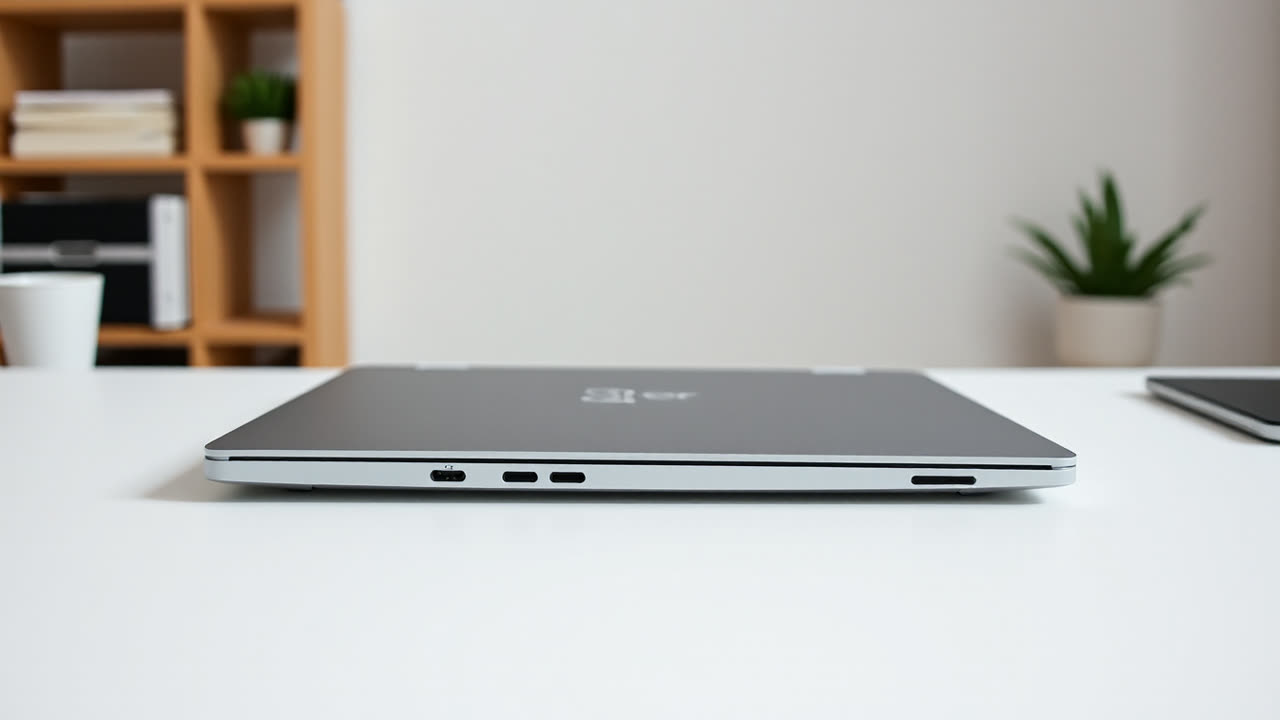
The Acer Swift Air 14 enters the competitive budget laptop market at an aggressive $699, offering an aluminum chassis, an unusually generous array of physical ports for its class, and strong battery life, though its appeal is tempered by a comparatively subpar display and a significant amount of pre-installed bloatware. The mention of "Wildcat Lake" in the prompt appears to be a misidentification; Acer's current Swift Air 14 models, such as the Swift Go 14 (which the "Air 14" might be a regional variant or an older model of, given the current product lines), typically feature more contemporary Intel processors like the Intel Core Ultra 5 or Ultra 7, or AMD Ryzen 7000/8000 series chips, rather than an older, less common codename. This discrepancy is critical, as the processor choice fundamentally dictates performance and power efficiency. Assuming a modern Intel Core Ultra or AMD Ryzen processor, the Swift Air 14 targets users prioritizing practical connectivity and endurance over premium visual fidelity in a sub-$700 package.
The strategic decision to include "lots of ports" directly addresses a growing frustration among mainstream users with the minimalist port selections on many contemporary ultrabooks, which often force reliance on dongles and adapters. A budget system offering multiple USB-A, USB-C (likely with Thunderbolt 4/USB4 capabilities if it's a modern Intel platform), HDMI, and a microSD card reader potentially eliminates this friction, making the Swift Air 14 a compelling option for students, remote workers, or anyone needing to connect various peripherals without additional expense. This move, while seemingly minor, represents a significant user-centric design choice that can differentiate a product in a crowded market where cost-cutting often leads to port scarcity. The inclusion of a robust port selection at this price point challenges the industry trend towards thinner designs at the expense of utility, suggesting Acer recognizes a tangible market segment values practical connectivity.
However, the reported "lesser display" is a substantial drawback, especially as visual experience becomes increasingly central to laptop usage, from content consumption to productivity. Many budget laptops now offer Full HD (1920x1080) IPS panels, with some even pushing into higher resolutions or OLED territory at slightly higher price points. If the Swift Air 14’s display falls short in brightness, color accuracy, or resolution compared to rivals like the Lenovo IdeaPad Slim 5 or HP Pavilion Aero 13, it could significantly detract from the user experience, making text less sharp and media less vibrant. This compromise is often made to hit a specific price target, but in an era where users spend hours staring at screens, it's a trade-off that might alienate a considerable portion of the target demographic. For instance, models like the Acer Swift Go 14 often boast vibrant OLED panels, making a "lesser display" on a related "Air 14" model a stark contrast.
The issue of "tons of bloatware" is another significant pain point. While common in the budget laptop segment, excessive pre-installed software not only consumes valuable storage space but also often impacts system performance, boot times, and overall responsiveness. For a machine already operating within budget constraints, every bit of processing power and RAM is crucial. Users are increasingly savvy about removing bloatware, but the initial experience can be frustrating, requiring time and effort to optimize a brand-new device. This practice reflects a manufacturer's attempt to subsidize costs through third-party partnerships, but it ultimately degrades the out-of-box experience and can lead to a perception of a less polished product.
Comparing it to rivals, the Swift Air 14's value proposition hinges on its port selection and battery life, which could potentially outperform competitors that prioritize thinner designs or slightly better displays but at the cost of practical connectivity or endurance. For example, some sub-$700 laptops might offer a brighter screen but only two USB-C ports, requiring users to purchase a dock. Its aluminum construction at this price point also offers a more premium feel than the plastic builds common in the budget category, suggesting a focus on durability and aesthetics that belies its cost. The "Air" moniker itself implies a lightweight design, which, combined with long battery life, positions it as a highly portable workhorse.
Looking ahead, the budget laptop market will continue to see intense competition, driven by advancements in integrated graphics and the efficiency of modern processors like Intel's Core Ultra series with their Neural Processing Units (NPUs) and AMD's Ryzen 8000 series. If the Swift Air 14 adopts these newer chips, its performance-per-watt could further improve, extending its battery life and enhancing its capability for AI-accelerated tasks. The industry trend suggests a gradual improvement in display quality even at lower price points, pushing manufacturers like Acer to find a better balance between cost, performance, and visual experience. The future success of systems like the Swift Air 14 will likely depend on Acer's ability to refine its display offerings and reduce bloatware without significantly increasing the price, while continuing to capitalize on its strengths like comprehensive port selection and robust build quality. The emphasis on practical features and durability will likely remain a strong selling point for budget-conscious consumers who prioritize functionality over cutting-edge aesthetics or top-tier visual fidelity.