Adobe Integrates 70+ Creative Tools into Slack, Empowering AI-Driven Collaboration
Adobe has fundamentally transformed creative workflows by embedding over 70 professional creative and productivity tools directly into Slack, powered by Slackbot's AI capabilities.
✨ This content was summarized and interpreted by AI; it may contain errors — please verify accuracy with the original sources. Learn more
Listen to this story
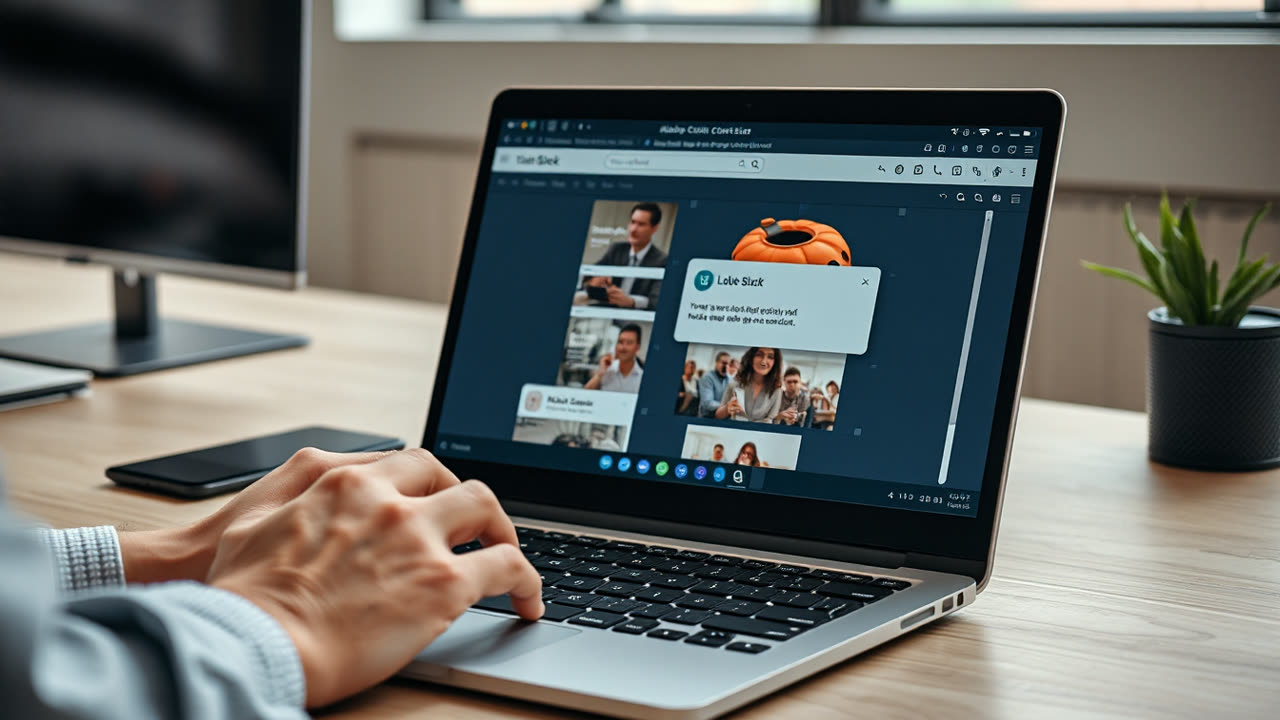
Adobe has dramatically reshaped the landscape of creative collaboration by integrating over 70 tools from its professional creative and productivity suites directly into Slack, accessible via the new "Adobe for Slack MCP app" launched globally on September 2, 2026. This pivotal development allows teams to leverage the power of applications like Photoshop, Firefly, Premiere, Acrobat, Illustrator, InDesign, Lightroom, and Adobe Express without ever leaving their Slack conversations. The core functionality revolves around Slackbot, the platform's built-in AI assistant, which can now interpret natural language requests, pull relevant context from messages, files, channels, and Canvases, and then execute complex creative tasks.
This integration transcends mere file sharing, which characterized earlier Adobe-Slack connections dating back to 2018. Previous versions facilitated previews, notifications, and basic asset generation through Adobe Express, but the current iteration represents a significant leap by enabling Slackbot to *perform* actual creative work. For instance, users can now instruct Slackbot to summarize a project brief and convert it into a PDF or video, resize approved campaign creative for various social platforms, transform spreadsheet data into a shareable visual, or conduct batch photo edits such as background removal, lighting adjustments, and cropping. It can even search Creative Cloud assets by subject, style, or mood, bringing relevant content directly into the workflow. The integration is available to Slack Business+ and Enterprise+ customers across desktop, web, and mobile, with basic functionality accessible even without an Adobe account, though signing in unlocks generative AI features and Creative Cloud file access. This is powered by Slack's Model Context Protocol (MCP), providing a standardized way for AI assistants to interact with external tools.
The implications for users and the broader industry are profound. For creative professionals, the primary benefit is a significant reduction in "context switching." Designers, marketers, and video editors can initiate and refine creative assets within their communication hub, minimizing the disruptive toggling between applications that often breaks creative flow and diminishes productivity. This streamlining of collaboration promises faster feedback loops and quicker iteration cycles, directly impacting project velocity and efficiency. Moreover, the democratization of basic creative tasks empowers non-designers to contribute more directly to content creation. A marketing manager, for example, could prompt Slackbot to generate several variations of a social media graphic based on an approved campaign, freeing up specialized designers to focus on more complex, high-value strategic work. This aligns with the broader industry trend of AI acting as a "co-pilot," automating mundane tasks and enhancing ideation rather than replacing human creativity entirely.
From an industry perspective, this move solidifies Adobe's commitment to embedding its powerful AI capabilities, like Firefly and Sensei, across the digital workspace. Adobe has already integrated its tools with other leading AI chatbots such as ChatGPT, Claude, and Copilot, with Gemini integration planned, signaling a strategic shift to make its creative ecosystem omnipresent wherever modern work happens. Simultaneously, it bolsters Slack's position as an "AI-powered work operating system," transforming it from a mere messaging platform into a central hub capable of orchestrating diverse, intelligent workflows. This deep integration, leveraging Slack's MCP, is a direct response to the intensifying competition in the collaboration space, where rivals like Canva and Figma have also pushed their integrations and AI-driven creative capabilities within chat surfaces.
Looking ahead, the Adobe-Slack integration heralds a future of increasingly sophisticated, AI-driven workflows. We can anticipate the automation of even more intricate, multi-step creative processes through natural language commands, requiring less granular oversight from human operators. This trajectory points towards the development of highly personalized AI agents within Slackbot, capable of learning individual user preferences, brand guidelines, and project styles to deliver increasingly tailored creative outputs. The blurring lines between "creative" and "productivity" applications will continue, fostering a new generation of hybrid professionals skilled at orchestrating AI tools to achieve unprecedented efficiencies. However, this evolution also necessitates ongoing critical discourse around intellectual property, attribution, and the ethical governance of AI-generated content, especially as the barrier to entry for complex creative tasks is lowered. The battle for the ultimate "work operating system" will undoubtedly intensify, with deep AI integrations serving as the primary differentiator in the quest to become the indispensable platform for the modern enterprise.