Adobe Premiere Officially Launches Free on Android, Bringing Pro Video Editing to Mobile with AI Integration
Adobe's new Android app offers robust, free-to-use video editing capabilities, including multi-track timelines and color correction, while gating advanced generative AI features behind a premium subscription.
✨ This content was summarized and interpreted by AI; it may contain errors — please verify accuracy with the original sources. Learn more
Listen to this story
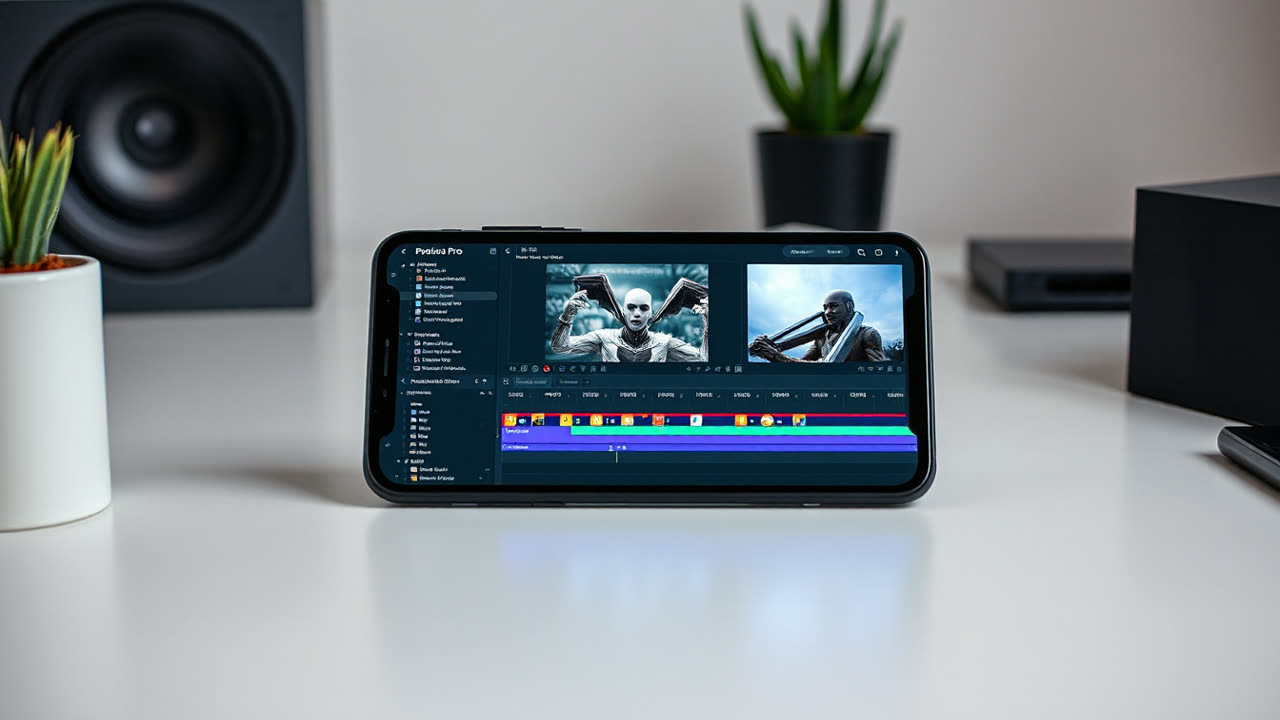
Adobe Premiere has officially arrived on Android, offering a surprisingly robust, free-to-use video editing suite that, for the first time, untethers significant creative power from desktop workstations and even Adobe's Creative Cloud ecosystem. This strategic move by Adobe marks a pivotal shift in the mobile content creation landscape, democratizing access to professional-grade tools for a vast new user base. The core application provides extensive editing capabilities—including multi-track timelines, precise trimming, color correction, and audio mixing—without requiring a Creative Cloud subscription or even a login for basic project work. However, the platform's advanced generative AI features, which promise automated transcription, intelligent content re-framing, and sophisticated object removal, are gated behind a premium subscription tier, signaling Adobe's intent to monetize its cutting-edge AI research while still expanding its market reach.
This launch is more than just another app; it represents a profound re-evaluation of where professional content creation happens and who gets to participate. For users, particularly the burgeoning cohort of mobile-first content creators, influencers, and small businesses, the implications are transformative. Historically, high-fidelity video editing demanded substantial investment in hardware and software, creating a barrier to entry. Now, with Premiere on Android, anyone with a modern smartphone or tablet can access a powerful tool previously reserved for desktop users. This accessibility will undoubtedly accelerate the production cycle for short-form video content, enabling creators to capture, edit, and publish high-quality videos directly from their devices with unprecedented speed and fluidity. The "free to start" model lowers friction significantly, allowing aspiring editors to develop skills and produce professional-looking content without upfront financial commitment, potentially fostering a new generation of mobile-native video professionals.
From an industry perspective, Adobe's decision to offer a largely free, standalone Android app is a calculated disruption to its own established model and a direct challenge to existing mobile editing solutions. Previously, Adobe offered Premiere Rush for mobile, a streamlined editor designed for quick social media posts, which often felt like a watered-down version of its desktop counterpart. The new Premiere for Android is a far more comprehensive offering, blurring the lines between mobile and desktop editing capabilities and effectively rendering Rush somewhat redundant for serious mobile creators. This move also intensifies competition with established mobile-first editors like LumaFusion on iOS (though LumaFusion has also expanded to Android, it often carries an upfront cost) and various free but often less feature-rich Android alternatives. By leveraging the sheer scale of the Android ecosystem—which boasts billions of active devices—Adobe is strategically positioning itself to capture a dominant share of the mobile video editing market, potentially converting free users into paying subscribers for its AI features or eventually into the broader Creative Cloud suite.
Looking ahead, this release sets the stage for a significant evolution in mobile computing and content creation. We can anticipate other professional software developers following suit, porting more complex applications to mobile platforms, driven by the increasing processing power of smartphone chipsets and the expanding market of mobile-first professionals. The monetization strategy, where core functionality is free but advanced AI features are paid, is likely to become a blueprint for future pro-grade mobile applications. This bifurcated approach allows for broad adoption while reserving premium, resource-intensive, and value-added AI services for subscribers. Furthermore, the integration of AI will only deepen, making editing processes more intuitive and automated, allowing creators to focus more on storytelling and less on technical execution. The true test will be how Adobe continues to bridge the gap between mobile and desktop workflows, potentially through more seamless cloud syncing and project handoffs, ensuring that the Android app is not just a standalone tool but an integral part of a holistic creative ecosystem. The immediate future promises a surge in mobile-generated, high-quality video content, fundamentally reshaping how media is produced and consumed.