AI GPU Thieves Steal 40,000 Pounds of Sand in Elaborate Decoy Heist
Criminals targeting NVIDIA-partner marked trailers for valuable AI accelerators were duped by PlusAI's clever use of sand-filled decoys, highlighting extreme market demand and novel supply chain security tactics.
✨ This content was summarized and interpreted by AI; it may contain errors — please verify accuracy with the original sources. Learn more
Listen to this story
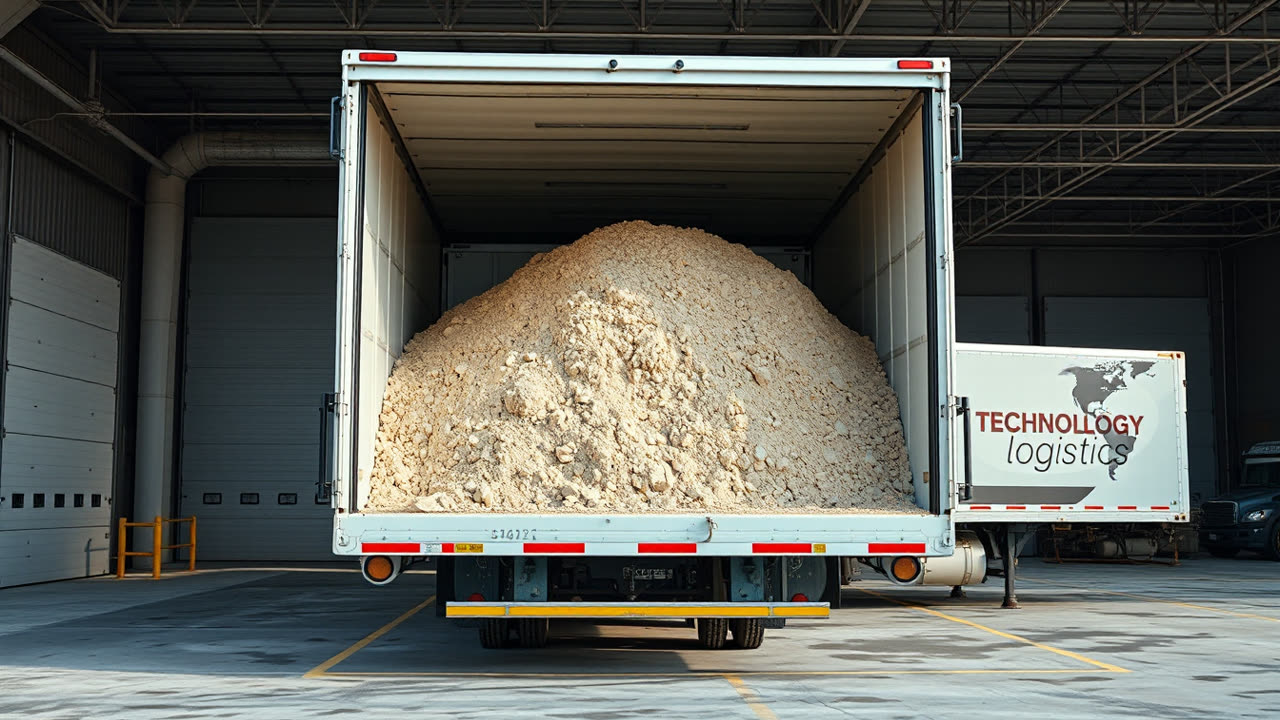
The audacious theft of two PlusAI trailers, prominently marked with NVIDIA-partner insignia, culminated not in a massive AI GPU windfall for the perpetrators, but in the perplexing acquisition of 40,000 pounds of sand. The incident, which saw criminals target what they believed to be a trove of highly coveted artificial intelligence accelerators, underscores the extreme value placed on AI hardware in today's market, even as it highlights a novel tactic in supply chain security. The trailers were deliberately positioned outside PlusAI's warehouse as a decoy, laden with ballast sand rather than the multi-million dollar GPUs the thieves anticipated, turning an elaborate heist into an embarrassing miscalculation for the criminals.
This incident is more than just a peculiar footnote in the annals of criminal enterprise; it is a stark illustration of the current gold rush mentality surrounding AI infrastructure. NVIDIA's H100 and A100 GPUs, the workhorses of modern AI development, command exorbitant prices and are subject to significant supply constraints. An H100 GPU, for instance, can retail for over $30,000, and a single trailer could easily hold millions of dollars worth of these specialized chips. The sheer demand has created a lucrative black market, where stolen hardware could be offloaded for substantial sums, fueling criminal interest in the logistics pipelines of tech companies. The thieves' willingness to target trailers explicitly marked with NVIDIA-partner branding speaks volumes about their confidence in the street value of such cargo and their apparent lack of reconnaissance regarding the specific contents.
PlusAI, a company specializing in autonomous trucking technology, likely engaged in this elaborate deception to protect its genuine shipments of high-value components or finished products. While the exact nature of their partnership with NVIDIA isn't fully disclosed in public reports, it's clear their operations involve materials or products that are attractive targets for theft. This pre-emptive measure of using decoy trailers filled with sand represents a sophisticated, albeit unconventional, approach to supply chain security. It moves beyond traditional locks and GPS trackers, introducing an element of psychological warfare against potential thieves, betting on their greed and assumptions. This strategy likely saved PlusAI and its partners from a significant financial loss and the logistical nightmare of recovering or replacing stolen AI hardware, which given current lead times, could severely impede research and development or deployment schedules.
The broader implications for the tech industry are significant. As the global economy increasingly relies on advanced semiconductors, particularly those powering AI, the security of the supply chain becomes paramount. Incidents of theft, while not always as dramatic as this one, are a persistent threat. In recent years, there have been numerous reports of high-value electronics being stolen during transit, highlighting vulnerabilities in logistics networks. This PlusAI incident could prompt other high-tech manufacturers and logistics providers to re-evaluate their security protocols, potentially leading to more elaborate decoy operations, enhanced surveillance, or even the use of "bait" shipments to identify and apprehend criminal networks. The cost of implementing such measures, while significant, pales in comparison to the potential losses from stolen intellectual property, delayed product launches, or the disruption of critical AI infrastructure projects.
Looking ahead, the AI GPU market is expected to remain hot, with demand continuing to outstrip supply for the foreseeable future. Companies like NVIDIA are constantly innovating, introducing newer, more powerful chips, which will only further inflate the value of these components. This sustained high value will inevitably keep them in the crosshairs of organized crime. We can expect to see a continuous cat-and-mouse game between sophisticated criminal enterprises and tech companies bolstering their defenses. Furthermore, the incident might inadvertently contribute to discussions around the traceability and authentication of high-value components, potentially accelerating the adoption of blockchain-based supply chain solutions or advanced serialization techniques to verify the provenance of AI hardware. The "sand heist" serves as a quirky, yet potent, reminder that in the high-stakes world of artificial intelligence, even the security measures are becoming increasingly intelligent.