Amazon Devices See Price Hikes Amid Escalating Memory Chip Shortage
Amazon is increasing prices across its popular Echo, Kindle, and Eero devices, directly attributing the hikes to the persistent and escalating global memory chip shortage.
✨ This content was summarized and interpreted by AI; it may contain errors — please verify accuracy with the original sources. Learn more
Listen to this story
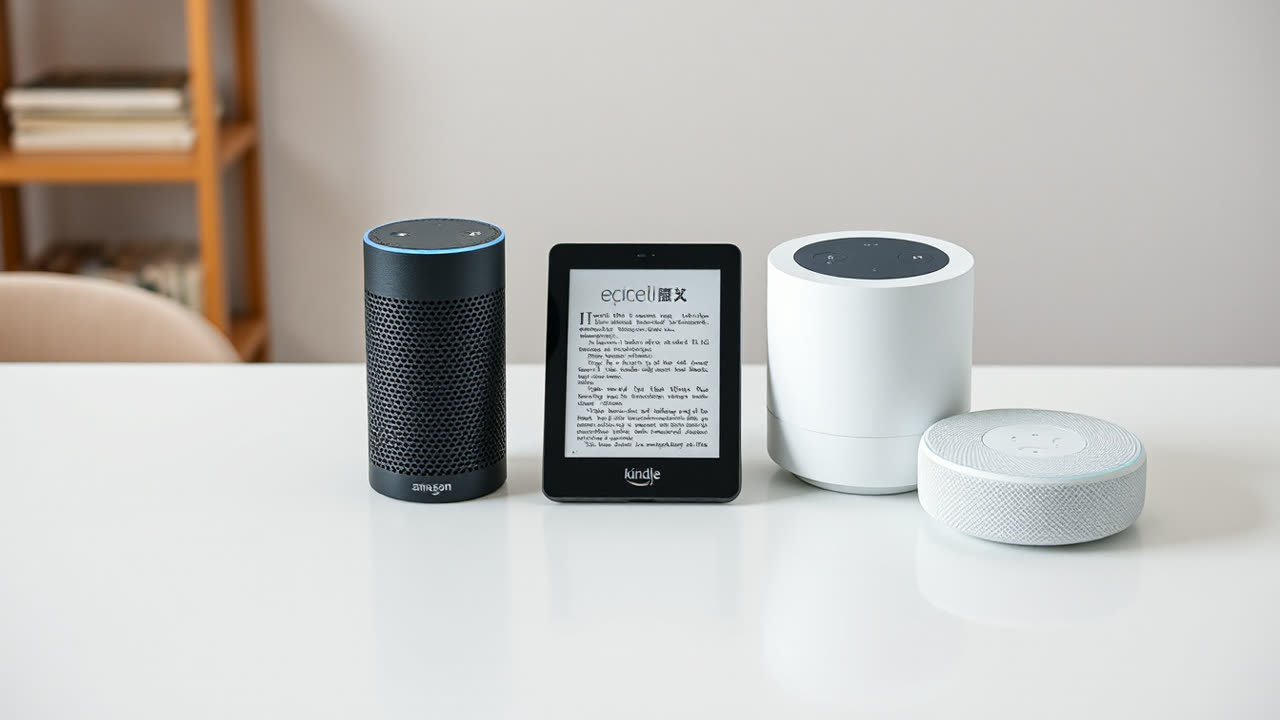
Amazon's consumer electronics portfolio, spanning ubiquitous Echo smart speakers, the foundational Kindle e-readers, and the expansive Eero mesh Wi-Fi systems, is currently navigating a significant inflationary wave, with price increases directly attributed to the persistent and escalating memory chip shortage. This surge in component costs, particularly for DRAM and NAND flash, is forcing Amazon to recalibrate its long-standing strategy of aggressive hardware pricing, transferring a portion of the burden directly to consumers across its device ecosystem. The company has reportedly implemented modest, yet noticeable, price adjustments across several models of its smart home and reading devices throughout late 2025 and into 2026, marking a departure from its historical approach of absorbing minor supply chain fluctuations to maintain competitive entry points.
This development carries substantial implications for both Amazon's strategic positioning and the broader consumer electronics industry. For Amazon, which often views its hardware as a gateway to its lucrative services ecosystem – Prime subscriptions, Audible content, Alexa interactions, and e-commerce purchases – higher device prices risk dampening initial adoption. The "loss leader" strategy, where hardware is sold at or near cost to encourage service engagement, becomes significantly harder to sustain when core component costs skyrocket. This could force Amazon to either accept thinner hardware margins, potentially impacting its overall profitability, or risk alienating price-sensitive consumers who have come to expect affordable entry points into the Alexa and Kindle worlds. The delicate balance between hardware accessibility and service monetization is now under immense pressure.
The underlying cause is a complex interplay of factors that have kept the memory market tight. While the initial post-pandemic surge in demand for PCs and data centers began to normalize, the subsequent explosion in artificial intelligence (AI) development, particularly large language models (LLMs), has created an insatiable appetite for high-bandwidth memory (HBM) and high-density NAND flash. This demand shift has not only diverted manufacturing capacity but also driven up prices for standard DRAM and NAND chips used in consumer devices, as foundries prioritize more profitable, advanced memory production. Furthermore, geopolitical tensions and ongoing supply chain fragility, exacerbated by limited raw material availability and concentrated manufacturing in specific regions, continue to add volatility to the semiconductor market. Analysts project that while some segments of the memory market might see minor corrections, the overall upward price trend for critical components will likely persist through 2026, with potential relief only anticipated in late 2027 as new fabrication plants come online and HBM production matures.
Historically, Amazon has been a master of cost optimization, leveraging its massive scale and supply chain prowess to offer devices at prices that often undercut rivals. For instance, the Kindle's consistent affordability made it the dominant e-reader, while Echo devices rapidly permeated homes due to aggressive pricing and frequent sales. In comparison, competitors like Google's Nest smart speakers and Apple's HomePod typically occupy higher price tiers, often bundling more premium audio features or tighter ecosystem integration. However, even these players have not been entirely immune to component cost pressures, with subtle price adjustments or slower introduction of new, more affordable models. The current memory crunch, however, is hitting Amazon's high-volume, lower-margin strategy particularly hard, eroding the very competitive advantage derived from its pricing power. The prior generation of devices largely benefited from more stable, or even declining, memory costs, allowing Amazon to maintain or even reduce prices over time. This current environment represents a stark reversal.
Looking ahead, Amazon faces a critical juncture. The immediate outlook suggests continued pressure on device pricing, meaning consumers should not anticipate a return to pre-shortage price points in the near future. The company may explore several avenues to mitigate the impact. One strategy could involve optimizing device architectures to reduce memory requirements where possible, or diversifying its memory suppliers to reduce reliance on single vendors. Another potential shift could see Amazon placing greater emphasis on its subscription services, perhaps offering device subsidies to new subscribers or bundling devices with extended service commitments to recoup hardware costs over time. Furthermore, the company might accelerate its efforts in vertical integration, investing more heavily in custom silicon development that could offer better performance-to-cost ratios for its specific device needs, though this is a long-term play. Ultimately, the current memory shortage serves as a potent reminder that even tech giants with immense scale are not immune to the fundamental economics of supply and demand, forcing a strategic re-evaluation that will undoubtedly reshape the landscape of consumer electronics pricing and innovation for years to come.