Amazon Discreetly Raises Hardware Prices Ahead of Holidays
Amazon has quietly increased prices on popular devices like Kindles, Echo speakers, and Fire TVs, strategically positioning itself for misleading 'deals' during the upcoming holiday shopping season.
✨ This content was summarized and interpreted by AI; it may contain errors — please verify accuracy with the original sources. Learn more
Listen to this story
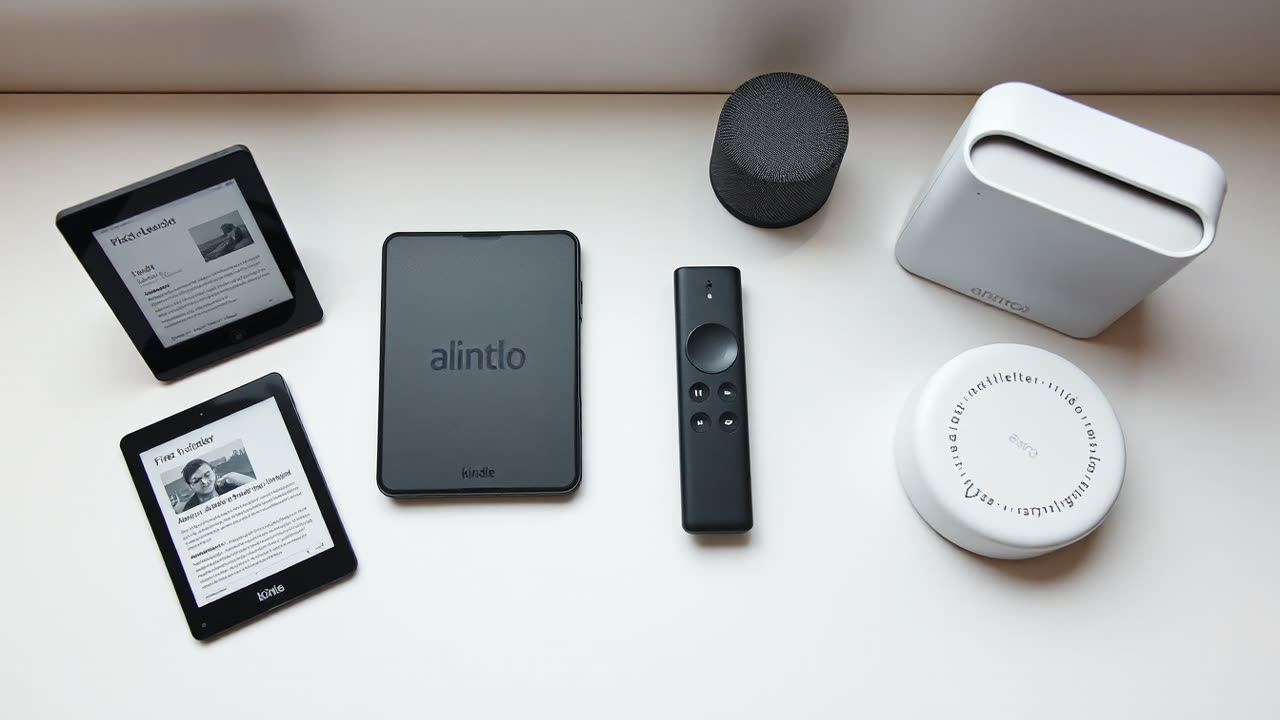
Amazon has discreetly raised prices on a range of its popular hardware, including Kindles, Echo speakers, Eero routers, and Fire TV devices, just weeks before the critical 2026 holiday shopping season. This pre-emptive adjustment, reported in early September, positions Amazon to present seemingly attractive "deals" during Black Friday and Cyber Monday that merely revert to or slightly undercut the *original* pre-hike prices, effectively masking a genuine increase in baseline costs for consumers. The strategic timing signals a calculated shift in Amazon's long-standing approach to device sales, moving away from aggressive, often loss-leading pricing designed primarily to expand its ecosystem and entrench users within its services.
This move carries significant implications for both consumers and the broader consumer electronics market. For users, particularly those accustomed to Amazon's historically competitive pricing on its first-party hardware, the immediate effect is a higher barrier to entry for its ecosystem. A base Kindle, for instance, which often served as an affordable gateway, now demands a larger initial investment, potentially pushing budget-conscious shoppers towards alternative brands or even delaying purchases. While the percentage increase on individual devices might appear modest—for example, a $10 hike on a $99 device represents a 10% jump—it accumulates across multiple purchases, impacting household tech budgets significantly. The subtle nature of the hike, prior to holiday fanfare, suggests Amazon anticipates consumers will be more focused on the *discount* percentage during sales events rather than the underlying increase in MSRP. This strategy risks eroding consumer trust if the perception of value diminishes, particularly as disposable incomes remain under pressure globally.
Industrially, Amazon's decision could signal a maturity in its device strategy and a pivot towards profitability per unit rather than pure market share acquisition. For years, Amazon leveraged its hardware as a conduit for Prime subscriptions, content sales (books, music, video), and e-commerce transactions. The Echo devices, in particular, have been instrumental in propagating voice commerce and smart home adoption. By raising prices, Amazon might be acknowledging that a critical mass of users is already embedded within its ecosystem, making aggressive low-margin pricing less imperative for growth and more sustainable for long-term hardware profitability. This could also force competitors like Google (with its Nest devices), Apple (HomePod), and various e-reader and streaming stick manufacturers to re-evaluate their own pricing models. If Amazon, a historical price leader, is comfortable raising prices, it might create an umbrella for others to follow suit, potentially leading to a general upward trend in consumer electronics pricing ahead of the holidays. Conversely, aggressive rivals could seize the opportunity to undercut Amazon, positioning their products as genuinely better value during the holiday rush.
Historically, Amazon has been known for its aggressive pricing during holiday seasons, often offering substantial discounts on its own devices to drive adoption. In previous years, Fire TV sticks could be found for as low as $19.99, and entry-level Kindles frequently dropped below $60. This year's strategy marks a departure, where the "deal" price might simply be the old standard price, or only a slight reduction from the new, higher MSRP. This contrasts sharply with the broader trend of tech companies often using holiday sales as a primary mechanism to clear inventory and introduce new models at competitive prices. While specific details on the exact magnitude of price increases across all models remain to be fully quantified across multiple sources beyond initial reports, the pattern suggests a uniform adjustment across key device categories. This isn't merely an inflationary adjustment; it's a strategic repositioning of value perception.
Looking ahead, this pricing adjustment could have several ramifications. Short-term, Amazon might see a slight dip in unit sales for its devices if consumers balk at the higher effective prices, even under the guise of "deals." However, given Amazon's vast ecosystem and brand loyalty, many users may still opt for its products, especially if the perceived convenience and integration benefits outweigh the increased cost. Long-term, this could represent a strategic shift towards higher-margin hardware, mirroring Apple's premium pricing model. If successful, Amazon could achieve healthier profit margins on its devices, reducing its reliance on using hardware as a loss leader. This might also allow Amazon to invest more in research and development for future device generations, potentially introducing more premium features to justify the higher price points. The real test will be how consumers react during the actual holiday shopping frenzy: whether they perceive genuine value in the "deals" or if the underlying price hikes become a point of contention, influencing their purchasing decisions for the 2026 holiday season and beyond.