Amazon Fire TV Stick's Lifespan Defined: 2030 End-of-Support Signals Upgrade Imperative
Amazon's official software support for most Fire TV Sticks will end by December 31, 2030, prompting users to consider upgrades due to looming security risks and performance degradation.
✨ This content was summarized and interpreted by AI; it may contain errors — please verify accuracy with the original sources. Learn more
Listen to this story
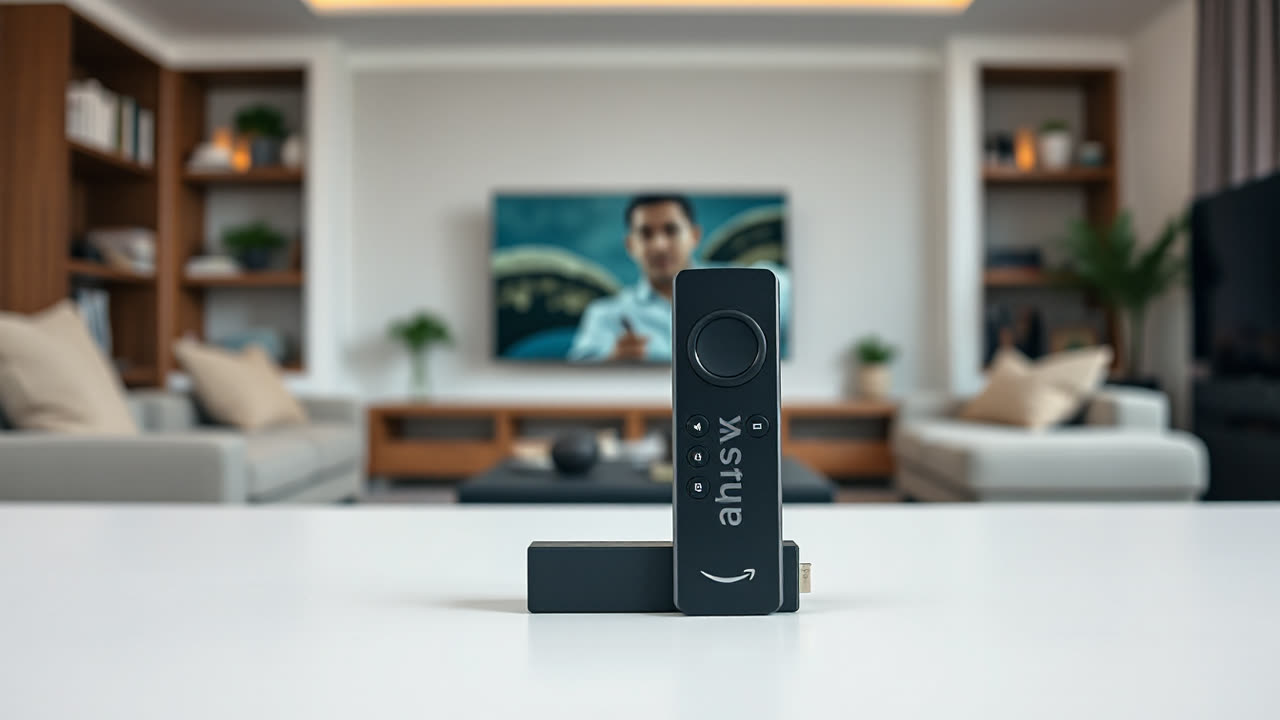
The effective lifespan of an Amazon Fire TV Stick, particularly concerning optimal performance and security, is largely dictated by Amazon's software support policies, with most current models guaranteed updates until December 31, 2030. This commitment extends to a wide range of devices, including the Fire TV Stick 4K Select, Fire TV Stick 4K Plus, and both generations of the Fire TV Stick 4K Max, among others. An exception is the first-generation Fire TV Stick 4K from 2018, which will see its support end a year earlier, on December 31, 2029. This support encompasses critical software and security updates, ensuring continued compatibility with streaming services and protection against vulnerabilities.
The shift in Amazon's operating system strategy, with newer Fire TV Sticks adopting the Linux-based Vega OS instead of the traditional Android-based Fire OS, underscores this timeline. While existing Android-based devices will continue to function, the end of official support in 2030 (or 2029 for the older 4K model) signifies a potential opening for security risks and a gradual decline in app compatibility and performance as the software ecosystem evolves.
For users, this defined support window is crucial, as it provides a clear benchmark for when to consider an upgrade. Beyond the official support dates, a Fire TV Stick may physically continue to operate, but without guaranteed updates, users risk encountering issues like app incompatibility, performance degradation, and increased security vulnerabilities. The performance slowdowns often experienced with older Fire TV Sticks are not necessarily indicative of hardware failure but rather a consequence of increasing software demands, larger app updates, accumulating temporary files, and more background processes taxing the device's limited processing power, memory, and storage. Even seemingly minor issues like autoplaying featured content can contribute to sluggishness on older or heavily used models.
The industry average for streaming device lifespan typically ranges from three to five years, though some users report devices lasting much longer, occasionally up to a decade, particularly with good care. However, this "physical" lifespan often outstrips the "functional" lifespan, which is more tied to software support and evolving media standards. Rivals like Roku also experience similar slowdowns as software updates require more powerful hardware, with an average lifespan of four to five years, though some older Roku models have reportedly lasted over 10 years. Apple TV devices, generally positioned as premium options, also offer extended longevity, with users reporting over six years of functional life. The key differentiator often lies in the balance between hardware capability and the demands of ever-evolving streaming applications and video codecs like H.265/HEVC and AV1. Devices with less RAM, for instance, may struggle earlier as app requirements grow.
The decision to upgrade should therefore be guided by a combination of Amazon's support deadlines and practical user experience. Persistent issues such as repeated app crashes, services dropping support for the specific model, consistently slow menus even after troubleshooting, or constant storage management hassles are strong indicators that an upgrade would be beneficial. Amazon itself suggests basic troubleshooting steps like restarting the device, installing updates, clearing app caches, and ruling out network issues before concluding a device needs replacement. Opting for a slightly higher-tier device, such as one with 2GB of RAM instead of 1GB, can also provide more headroom for future software demands, potentially extending its comfortable usability.
Looking ahead, Amazon's introduction of Vega OS signals a strategic shift, potentially streamlining the software experience and offering more consistent performance across new devices. For existing users, the 2029-2030 deadline is a clear call to action. Amazon's trade-in program offers a pathway for users to upgrade, providing discounts on new devices in exchange for older models, including those from other retailers. This program not only incentivizes upgrades but also contributes to the recycling or refurbishment of electronics, addressing the growing concern of e-waste and the environmental impact of device manufacturing, which accounts for a significant portion of a device's lifecycle carbon emissions. The environmental cost of frequently replacing devices is substantial, with device production responsible for approximately 80% of a mobile device's lifecycle carbon emissions. Therefore, extending the life of streaming devices through robust software support and efficient hardware is not just a user convenience but also an environmental imperative. The industry is moving towards a model where edge devices are primarily for display and interaction, potentially extending device lifetimes by reducing the reliance on local, intensive processing. This outlook suggests that while specific hardware will always have a finite lifespan, a more sustainable future for streaming could involve less frequent, performance-driven upgrades.