Anbernic RG 55G1 Challenges Nintendo Switch Lite with $150 Price Tag
Anbernic's new RG 55G1, launching August 31 for $150, directly challenges the Nintendo Switch Lite by offering a powerful, open-source emulation device in a familiar form factor, poised to democratize retro gaming and intensify competition in the handheld market.
✨ This content was summarized and interpreted by AI; it may contain errors — please verify accuracy with the original sources. Learn more
Listen to this story
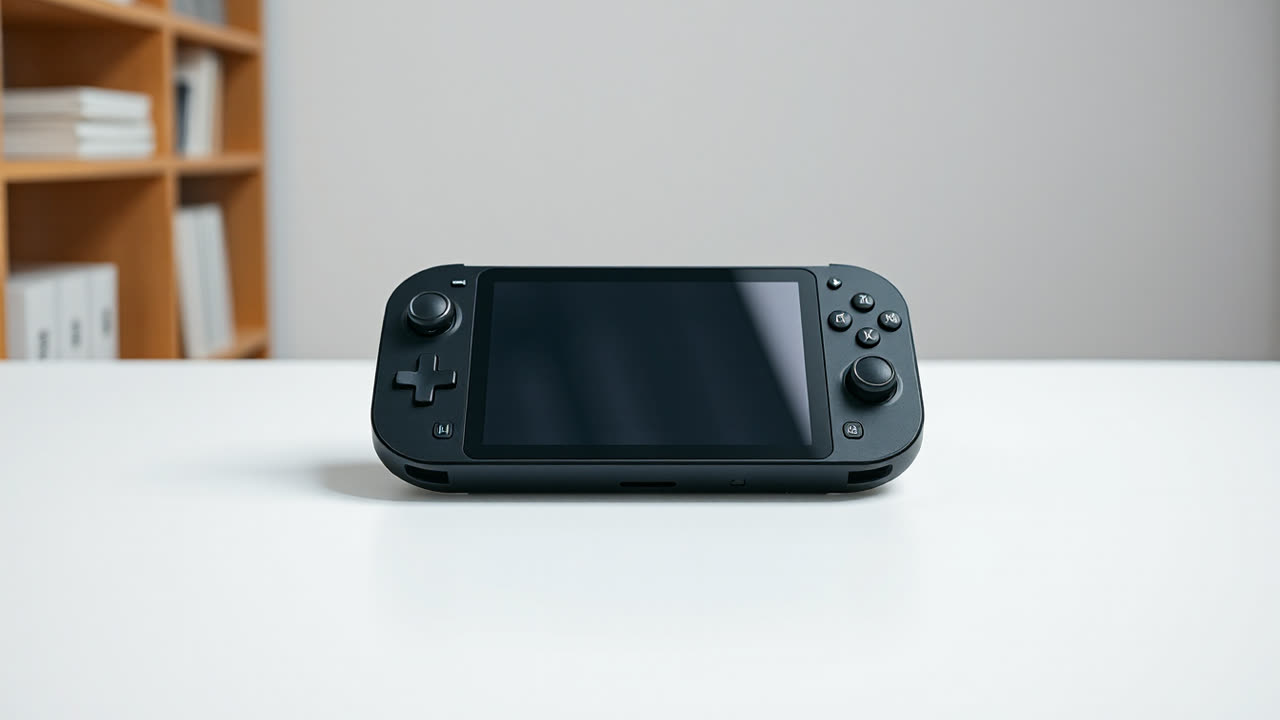
Anbernic's new RG 55G1, launching on August 31 with a starting price of $150 and available in three distinct colors, directly challenges the established portable gaming hierarchy by offering a compelling, budget-friendly "reimagining" of the Nintendo Switch Lite. This device isn't merely another retro handheld; its aggressive pricing and design ethos, clearly inspired by one of the most successful dedicated portable consoles in history, signals Anbernic's ambition to capture a broader segment of the handheld market, extending beyond traditional emulation enthusiasts. The core appeal lies in its promise of a premium-feeling, modern form factor coupled with the versatility of open-source emulation, potentially delivering a superior experience for a fraction of the cost of its inspiration.
The RG 55G1 is powered by the Rockchip RK3588S processor, an octa-core SoC that includes four ARM Cortex-A76 cores and four Cortex-A55 cores, alongside an ARM Mali-G610 MP4 GPU. This hardware configuration represents a significant leap from previous Anbernic devices, such as the RG35XX Plus or the RG405M, which typically featured less powerful chipsets like the Rockchip RK3566 or Unisoc T618. With 8GB of LPDDR4X RAM and storage options up to 128GB eMMC, expandable via microSD, the RG 55G1 is designed to handle a much wider range of emulation, from classic 8-bit and 16-bit consoles to more demanding platforms like PlayStation 2, Nintendo GameCube, and even some Nintendo Switch titles via Android-based emulators. Its 5.5-inch IPS touchscreen, boasting a resolution of 1280x720 pixels, matches the Switch Lite's resolution, ensuring sharp visuals for both retro and more modern portable gaming. The device is expected to run on a custom Android 13-based operating system, providing a flexible and user-friendly interface for managing ROMs and emulators.
This strategic move matters profoundly for several reasons. For consumers, the RG 55G1 offers an unprecedented blend of performance, portability, and affordability. While the Nintendo Switch Lite remains a closed ecosystem primarily for Nintendo's first-party titles, the Anbernic RG 55G1 opens the door to an expansive library across decades of gaming history, all within a familiar and comfortable form factor. This democratizes access to retro gaming, making it more appealing to mainstream users who might be put off by the often-niche aesthetics or steeper learning curves of other emulation handhelds. The $150 price point is particularly disruptive, positioning it directly against entry-level portable gaming options while offering significantly more versatility than a typical budget Android phone used for emulation. For instance, the cheapest Nintendo Switch Lite model typically retails for around $199.99, and while it offers an optimized experience for its native games, it lacks the RG 55G1's open-source flexibility.
In the broader industry, Anbernic's aggressive play with the RG 55G1 intensifies competition in the burgeoning retro handheld market. Companies like Retroid, Ayaneo, and Valve (with the Steam Deck) have carved out niches, but Anbernic's focus on a Switch Lite-esque design at this price point could force rivals to re-evaluate their own strategies. The RG 55G1’s potent RK3588S chip sets a new performance benchmark for its price category, suggesting that mid-range emulation handhelds will need to significantly upgrade their processing power to remain competitive. This could accelerate innovation, leading to more powerful and feature-rich devices across the spectrum, ultimately benefiting consumers. Furthermore, by directly mimicking the Switch Lite's ergonomic and aesthetic appeal, Anbernic is legitimizing the retro handheld space in the eyes of a wider audience, potentially drawing new players into the hobby who previously only considered traditional console manufacturers. This expansion of the market could lead to increased investment in custom firmware development and community support, further enriching the user experience.
Looking ahead, the success of the RG 55G1 will largely hinge on its software optimization and community support. While the hardware is robust, a smooth, intuitive Android implementation is crucial for widespread adoption. Anbernic has a history of strong community engagement, which will be vital for addressing initial bugs and fostering custom firmware development that can unlock the device's full potential. We can expect to see a rapid iteration cycle from Anbernic and its competitors, with future devices likely incorporating even more powerful ARM-based processors, higher refresh rate displays, and potentially even integrated active cooling solutions to handle more demanding emulation or Android gaming. The convergence of retro emulation and modern Android gaming on these handhelds will also blur lines, with future devices potentially offering cloud streaming capabilities and deeper integration with mobile gaming ecosystems. The RG 55G1 is not just another handheld; it's a statement of intent from Anbernic, signaling a future where high-performance, aesthetically pleasing, and affordable open-source gaming devices are poised to challenge the dominance of traditional portable consoles.