Anbernic RG SP Launches August 5, Reviving GBA SP Design at $65
The Anbernic RG SP directly challenges the retro handheld market by meticulously replicating the iconic Game Boy Advance SP clamshell design and compact form factor, launching August 5 at $65.
✨ This content was summarized and interpreted by AI; it may contain errors — please verify accuracy with the original sources. Learn more
Listen to this story
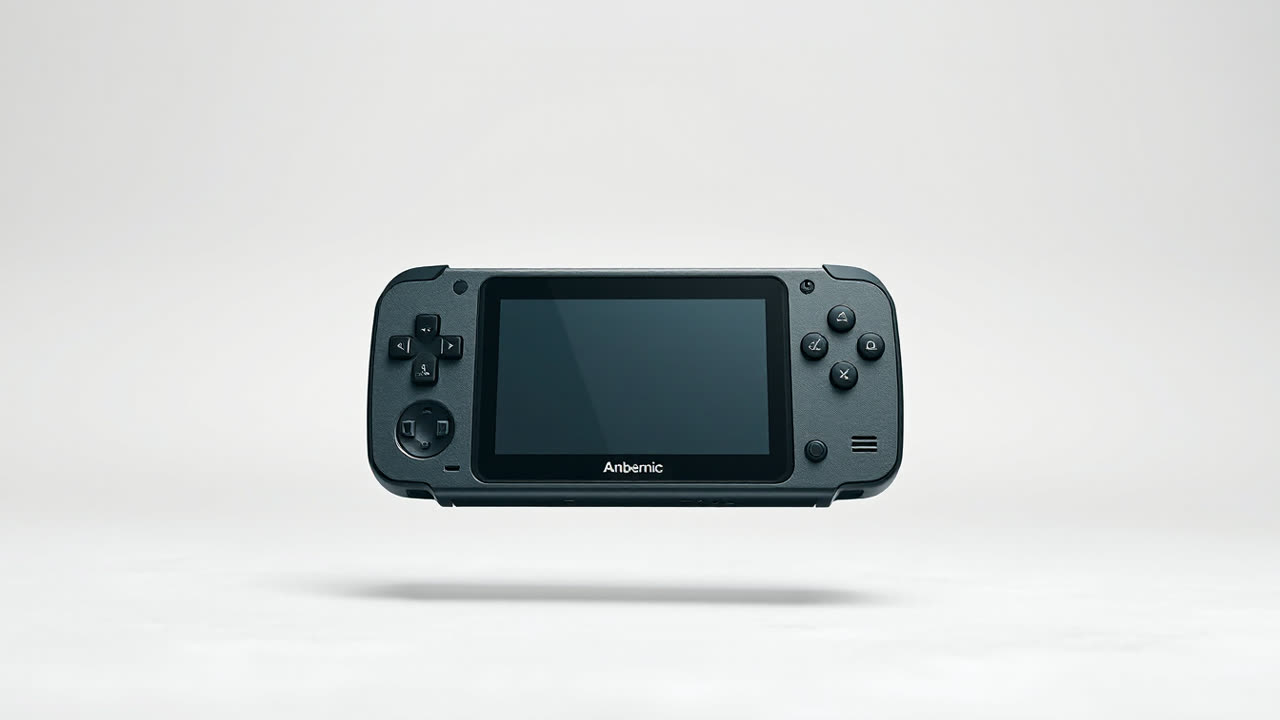
The Anbernic RG SP, launching August 5 with an initial price point of $65, represents a direct and audacious challenge to the nostalgic sensibilities of a generation, meticulously replicating the iconic clamshell design and compact form factor of Nintendo's Game Boy Advance SP. This isn't merely another retro handheld; it's a calculated play on deep-seated consumer desire for a specific, beloved aesthetic combined with modern emulation capabilities, offered at an aggressively competitive price, especially with early bird incentives. The device's immediate availability positions it as a significant contender in the burgeoning retro gaming market, a segment increasingly saturated yet still hungry for authentic experiences.
The core appeal of the RG SP lies in its faithful homage to the GBA SP, a console revered for its portability, backlit screen (in later revisions), and robust library. Anbernic’s rendition aims to deliver this ergonomic familiarity while vastly expanding the playable library beyond the GBA's native capabilities. While specific processor details for the RG SP are still emerging, Anbernic's recent devices in this price bracket, such as the RG35XX series, typically feature chips like the Allwinner H3 or Rockchip RK3566, capable of competently emulating systems up to PlayStation 1, and often N64 or Dreamcast with varying degrees of success. A 3.5-inch IPS display, common in Anbernic's lineup, is expected, offering crisp visuals for retro titles, a significant upgrade over the original GBA SP's non-backlit or front-lit screens. The inclusion of a modern operating system, likely a customized Linux distribution, will provide a user-friendly interface for managing ROMs and emulators, a stark contrast to the original GBA SP's cartridge-only approach.
This strategic blend of nostalgia and modern utility holds profound implications for both users and the industry. For consumers, the RG SP offers an accessible entry point into high-quality retro emulation, bypassing the complexities and costs associated with acquiring original hardware and game cartridges. The clamshell design protects the screen and controls, enhancing durability for on-the-go play, mirroring one of the original SP's greatest strengths. However, the true impact extends beyond individual users. Anbernic, a prolific manufacturer in the retro handheld space, continues to refine its product strategy, moving beyond generic candy-bar designs to target specific nostalgic niches. This focused approach could force rivals like Retroid Pocket, Miyoo Mini, and even higher-end brands like Ayaneo or AYN to consider more diverse form factors and price points, rather than simply escalating raw processing power. The $65 price point, potentially dipping lower with early bird deals, also intensifies the race to the bottom for entry-level devices, making high-quality retro gaming more democratized than ever.
Comparing the RG SP to its spiritual predecessor, the original Game Boy Advance SP, highlights a generational leap in capability. The GBA SP, initially released in 2003, featured a 2.9-inch screen and was limited to GBA, GBC, and GB titles. The RG SP, by contrast, will likely support dozens of systems, from Atari and NES to potentially PSP and some Nintendo DS titles, depending on its final specifications. Against its modern rivals, the RG SP carves out a unique identity. While devices like the Retroid Pocket 4 Pro offer significantly more power with their Dimensity 1100 chips, enabling smooth PS2 and GameCube emulation, they also command a price tag upwards of $200. The Miyoo Mini Plus, a popular budget option, offers a similar 3.5-inch screen and good performance for 8-bit and 16-bit systems, but lacks the RG SP's distinct clamshell design and potentially its ergonomic advantage for longer play sessions. Anbernic's own prior generations, such as the RG351P or RG353V, while solid performers, typically adhered to more traditional rectangular or vertical form factors, making the RG SP a notable departure in design philosophy.
Looking ahead, the success of the Anbernic RG SP could catalyze a new wave of retro handhelds that prioritize unique form factors and nostalgic designs over raw performance. Manufacturers might increasingly explore remakes of other beloved portable consoles, such as the Nintendo DS (dual-screen devices) or even the original PlayStation Portable. The fierce competition at the budget end of the market will likely continue to drive down prices and improve entry-level hardware, bringing more advanced emulation to even cheaper devices. Furthermore, the emphasis on design could push software developers within the retro handheld community to optimize custom firmwares for these specific form factors, enhancing the user experience beyond mere emulation. The RG SP isn't just a new product; it's a litmus test for how deeply nostalgia, when packaged with modern tech and aggressive pricing, can reshape a niche yet rapidly expanding segment of the gaming industry. Its launch on August 5 will undoubtedly mark a pivotal moment, signaling a potential shift towards design-driven innovation in the retro handheld landscape.