Android's AI-Powered Theft Detection Lock Rolls Out Globally, Revolutionizing Smartphone Security
Google is rolling out its AI-powered Theft Detection Lock and a comprehensive suite of anti-theft features to Android devices running Android 10 and newer, fundamentally transforming smartphone security with proactive safeguards against snatch-and-run thefts and unauthorized access.
✨ This content was summarized and interpreted by AI; it may contain errors — please verify accuracy with the original sources. Learn more
Listen to this story
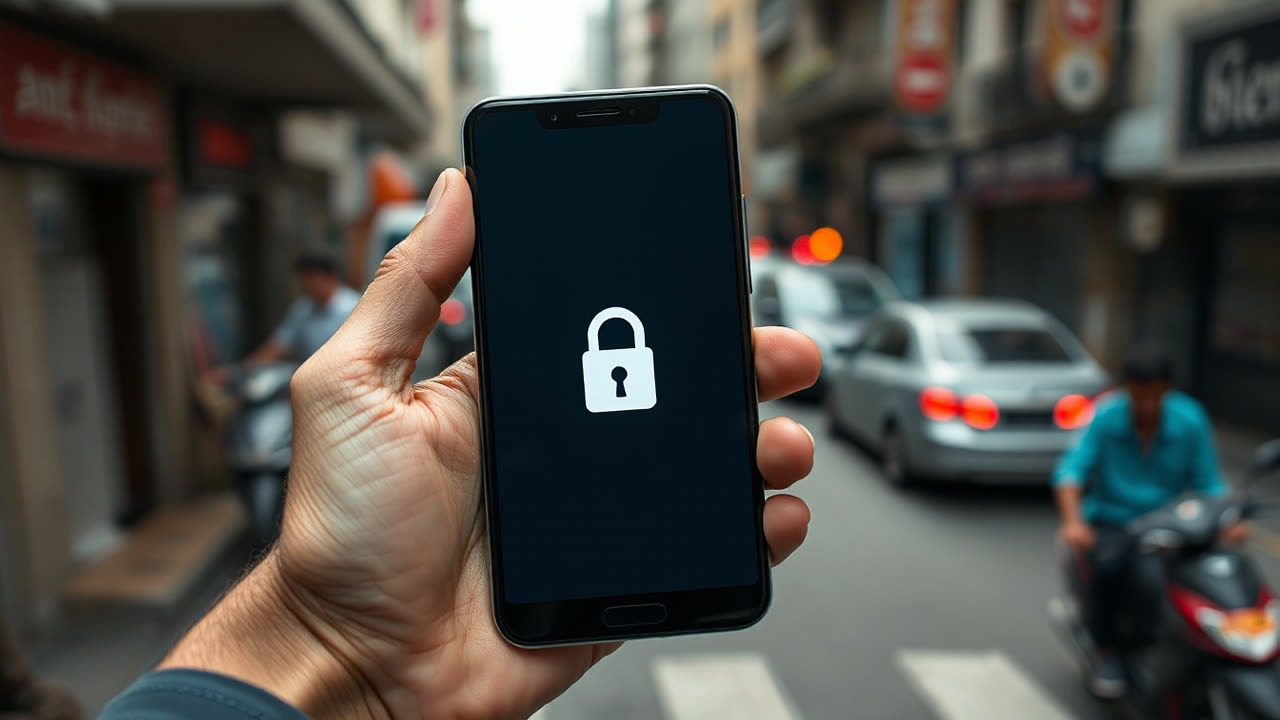
Android's new Theft Detection Lock, an AI-powered feature now rolling out to devices running Android 10 and newer, marks a significant paradigm shift in smartphone security, proactively safeguarding user data the instant a theft attempt is detected. This innovative capability, which leverages a phone's motion sensors, Wi-Fi, and Bluetooth, immediately locks the device screen if it senses movements commonly associated with a "snatch-and-run" scenario, such as a thief grabbing the phone and fleeing on foot, bike, or in a vehicle. Introduced initially at Google I/O 2024 in May, and extensively tested in markets like Brazil where phone theft is a pervasive issue—with an astonishing 97 phones stolen or robbed every hour—these features are now globally expanding via Google Play services updates, circumventing the traditional fragmentation challenges of Android OS updates.
This suite of enhanced anti-theft measures extends far beyond reactive location services, fundamentally altering the calculus for criminals. Alongside Theft Detection Lock, Google has rolled out **Offline Device Lock**, which automatically secures an unlocked phone if it loses internet connectivity for a prolonged period, frustrating thieves who might attempt to disable network access to prevent remote wiping. The **Remote Lock** feature has also been bolstered, allowing users to lock their stolen device from any web browser using only their phone number and a new optional security challenge, providing a critical lifeline even if Google account credentials are forgotten in the panic of a theft. These additions are complemented by **Identity Check**, which requires biometric authentication for sensitive actions outside of trusted locations, protecting critical settings like disabling Find My Device, changing screen locks, or accessing password managers. Moreover, **Factory Reset Protection (FRP)** has been upgraded, mandating Google account credentials to set up a device after a forced reset, effectively rendering stolen phones useless and unsellable to most illicit buyers. For Android 15 and up, a new **Private Space** feature allows users to hide and lock sensitive applications behind a separate PIN or biometric verification, adding another layer of defense for critical financial or health data.
The profound significance of these updates lies in their multi-layered, proactive approach to security, moving Android beyond its historically more reactionary stance. For years, Android’s primary defense against theft centered on the "Find My Device" service, which, while useful for locating, locking, or wiping a lost phone, often proved insufficient once a thief gained initial access. The new AI-driven features aim to prevent that initial access altogether, transforming a stolen phone from a potential goldmine of personal data into a locked brick. This shift is crucial in an era where phone theft is increasingly linked to financial fraud and identity theft, as highlighted by Google’s Android Security Team. The ability to deliver these advanced protections through Google Play services to devices as old as Android 10 is a strategic masterstroke, ensuring broad adoption across the Android ecosystem, including many devices no longer receiving traditional OS security updates.
Compared to its primary rival, iOS, Android has historically faced criticism for its fragmented security update landscape and perceived openness. Apple’s closed ecosystem and stringent App Store review process have often given iOS an edge in malware protection and consistent security updates across its device portfolio. However, Google has been aggressively narrowing this gap. While iOS has its own "Stolen Device Protection" feature, Android's new proactive measures, particularly the AI-powered Theft Detection Lock, offer a compelling counterpoint. Furthermore, Android's updated Find My Device network, which can now locate compatible devices even when they are offline—and Pixel 8 and 8 Pro devices even when powered off—directly rivals Apple's robust "Find My" network. In some areas, such as default cloud backup encryption, Android's approach is arguably more secure, with end-to-end encryption tied to the device PIN by default, whereas Apple's advanced data protection for iCloud backups is opt-in.
Looking ahead, Google's commitment to enabling theft protection features by default, as seen with Theft Detection Lock and Remote Lock in Brazil, signals a clear direction for broader implementation. The continuous refinement of AI algorithms to minimize false positives while maximizing protection will be key to user adoption and satisfaction. Further expansion of the Identity Check feature to encompass an even wider array of sensitive actions and third-party applications will solidify biometric authentication as a cornerstone of Android security. As smartphones become increasingly central to our digital and financial lives, these evolving, intelligent, and widely accessible anti-theft measures position Android as a formidable guardian against device compromise, promising a future where the loss of a phone is a mere inconvenience, not a catastrophic breach of personal security.