Anthropic's Claude AI Gains Persistent Shared Memory Across Chat and Cowork Apps
Anthropic's Claude AI now remembers user context and preferences across its conversational chat and dedicated Cowork application, eliminating repetitive re-briefing.
✨ This content was summarized and interpreted by AI; it may contain errors — please verify accuracy with the original sources. Learn more
Listen to this story
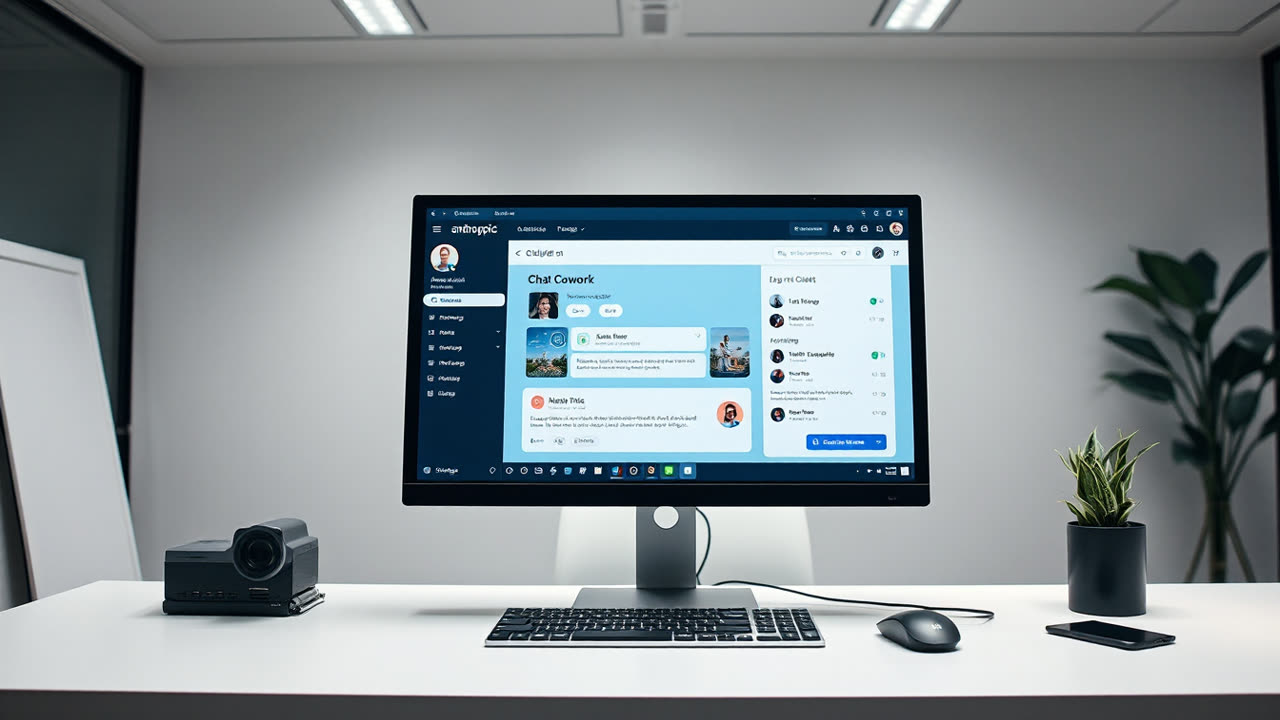
Anthropic's Claude AI is finally gaining a persistent, shared memory across its conversational chat interface and its dedicated Cowork application, eliminating the frustrating necessity for users to repeatedly re-brief the AI on ongoing projects, personal preferences, and accumulated context. This crucial architectural upgrade, announced today, directly addresses a long-standing pain point in human-AI interaction, where even advanced large language models (LLMs) have historically struggled with retaining conversational state beyond individual sessions or specific application silos. The integration means that details shared within a casual chat about a marketing campaign, for instance, will now automatically inform Claude's responses and actions when subsequently utilized within Cowork for drafting campaign materials or analyzing market data, fundamentally transforming the user experience from episodic interactions to a continuous, evolving collaboration.
This evolution of Claude's memory management is not merely a convenience; it represents a significant leap towards more genuinely intelligent and productive AI assistants, moving beyond the "stateless" nature of earlier models. For users, the immediate impact will be a dramatic reduction in cognitive load and repetitive data entry, freeing up valuable time previously spent reiterating context. Imagine a scenario where a user discusses their company's brand guidelines and tone of voice once, and Claude consistently applies these parameters across all subsequent tasks, from drafting emails to generating reports, without further prompting. This continuity fosters a deeper, more efficient partnership, allowing users to offload more complex, multi-stage tasks to the AI with confidence that prior discussions are remembered and integrated. The productivity gains for knowledge workers, particularly those juggling multiple projects or requiring consistent brand messaging, are poised to be substantial, allowing for more focus on strategic thinking rather than AI babysitting.
Historically, AI assistants, including previous iterations of Claude, operated largely on a session-by-session basis, with each new interaction or application instance often requiring a fresh introduction to the user's goals and background. While some platforms offered limited "short-term memory" within a single chat thread, the ability to seamlessly transfer learned context across different modalities or applications remained a significant technical hurdle. Rivals like OpenAI's ChatGPT and Google's Gemini have also been exploring and implementing various forms of persistent memory, recognizing its critical role in advanced AI utility. ChatGPT, for example, has introduced custom instructions and memory features that allow it to recall user preferences and facts across chats, but Anthropic's move specifically targets the integration between a general chat interface and a dedicated workspace application like Cowork, offering a potentially more robust and integrated solution for professional workflows. This direct integration between chat and a structured work environment positions Claude to offer a more unified and less fragmented user experience compared to systems where memory might be confined to a single conversational thread or require explicit configuration for each new task.
Looking ahead, this shared memory architecture sets the stage for Anthropic to develop even more sophisticated AI capabilities. The ability for Claude to build a comprehensive, evolving understanding of a user's preferences, projects, and even their unique working style opens avenues for truly personalized AI assistance. We can anticipate future features that leverage this persistent memory for proactive assistance, such as Claude anticipating needs based on past project patterns, suggesting relevant information without explicit prompts, or even autonomously initiating tasks that align with a user's known objectives. This foundational shift also strengthens Anthropic's competitive stance in the burgeoning enterprise AI market, where the ability to maintain consistent context and reduce user friction is paramount for adoption and long-term utility. The next frontier will likely involve not just remembering facts, but understanding and adapting to evolving user goals and priorities dynamically, making the AI less of a tool and more of a genuine cognitive partner.