AP30 Music Boy Shatters Kickstarter Goals, Signals 'Dumb' Tech Resurgence
A retro-inspired portable music player, evoking the original Game Boy, raised over $500,000 on Kickstarter, highlighting a growing consumer demand for focused, single-function devices.
✨ This content was summarized and interpreted by AI; it may contain errors — please verify accuracy with the original sources. Learn more
Listen to this story
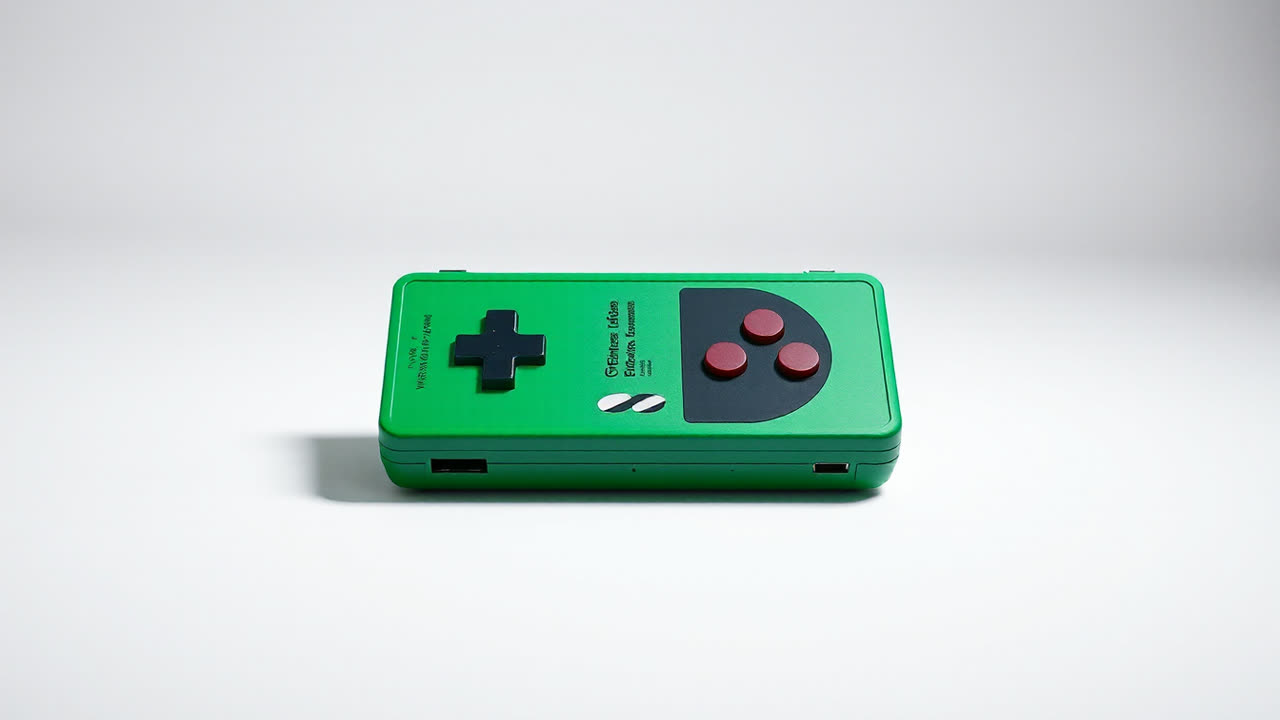
The AP30 Music Boy, a retro-inspired portable music player evoking the iconic aesthetics of the original Nintendo Game Boy, shattered its initial funding goals on Kickstarter, ultimately raising over $500,000. This significant crowdfunding success, fueled by a potent blend of nostalgia and a rejection of feature bloat, underscores a burgeoning consumer appetite for "dumb" tech – devices stripped down to their core functionality, offering a focused, high-quality experience in an increasingly interconnected and distracting world.
The device itself is a testament to this philosophy, prioritizing a dedicated audio experience over the multi-functional complexity of modern smartphones. While specific launch dates and final retail prices for the AP30 Music Boy are still being solidified post-Kickstarter, early details revealed a 2.8-inch IPS display, a tactile D-pad, and A/B buttons for navigation, directly mirroring the Game Boy's control scheme. Underneath its playful exterior, the AP30 is engineered for serious audio, featuring a high-resolution DAC (Digital-to-Analog Converter) and supporting a wide array of lossless audio formats, including FLAC, WAV, and DSD. This commitment to sound fidelity, rather than connectivity or app ecosystems, is its primary differentiator.
The appeal of the AP30 Music Boy, and by extension, the broader "dumb" tech resurgence, lies in its direct counter-narrative to the pervasive smartphone culture. Users are increasingly experiencing digital fatigue and information overload, leading to a desire for devices that perform one task exceptionally well without the constant pull of notifications, social media, or endless app options. This isn't merely about Luddism; it's a conscious choice for intentionality. For music lovers, a dedicated high-resolution audio player like the AP30 offers an uncompromised listening experience, free from the battery drain, processing demands, and audio compromises often associated with streaming music on a smartphone. The tactile buttons and simple UI also provide a nostalgic, almost meditative interaction that digital natives and retro enthusiasts alike find refreshing.
Compared to its spiritual predecessors, the iPod Classic or dedicated MP3 players of the early 2000s, the AP30 Music Boy leverages modern audio technology to deliver superior sound quality, often at resolutions far exceeding CD quality. While companies like Astell&Kern, FiiO, and Sony continue to produce high-end Digital Audio Players (DAPs) that cater to the audiophile market, these devices often carry premium price tags and sometimes feature more complex, Android-based operating systems. The AP30 carves out a niche by combining high-fidelity audio with an approachable, retro-gaming aesthetic and a simpler, purpose-built interface, potentially making high-res audio more accessible and appealing to a broader demographic beyond traditional audiophiles. Its closest rivals would be other retro-inspired or minimalist DAPs that eschew touchscreens for physical controls, though few have captured the specific Game Boy nostalgia so effectively.
The industry impact of this trend is multifaceted. For manufacturers, it signals an opportunity to innovate in niche markets by focusing on specific user experiences rather than a race to integrate every possible feature. It validates the idea that premium doesn't always mean complex; sometimes, it means elegantly simple and highly effective. This could lead to a diversification of consumer electronics, with more companies exploring dedicated devices for reading (e-readers), photography (compact digital cameras with advanced sensors), or even communication (minimalist "dumbphones" with extended battery life and call/text only functionality). The success of the AP30 Music Boy also highlights the enduring power of nostalgia as a design and marketing tool, especially when paired with genuine functional improvement.
Looking ahead, the "dumb" tech movement is unlikely to supplant the smartphone entirely, but it will continue to grow as a significant counter-current. We can expect to see more specialized gadgets emerging, designed to alleviate specific points of digital friction or enhance particular activities. The market for high-resolution audio players, in particular, will likely see continued innovation in DAC technology, battery life, and storage solutions, all while maintaining a user-centric focus on the listening experience. Furthermore, designers will continue to explore retro aesthetics, not just for the sake of nostalgia, but as a means to create intuitive, inviting interfaces that stand in stark contrast to the often sterile or overwhelming designs of general-purpose devices. The AP30 Music Boy is not just a successful crowdfunding project; it is a clear indicator of a maturing digital landscape where consumers are empowered to curate their technological environments, choosing focus and quality over pervasive connectivity.