Apple Bans Home Service Ads from Upcoming Maps Platform
Apple's new Maps advertising platform will explicitly prohibit promotions for a wide array of home services, including plumbing, electrical work, and HVAC, effective July 14, 2026.
✨ This content was summarized and interpreted by AI; it may contain errors — please verify accuracy with the original sources. Learn more
Listen to this story
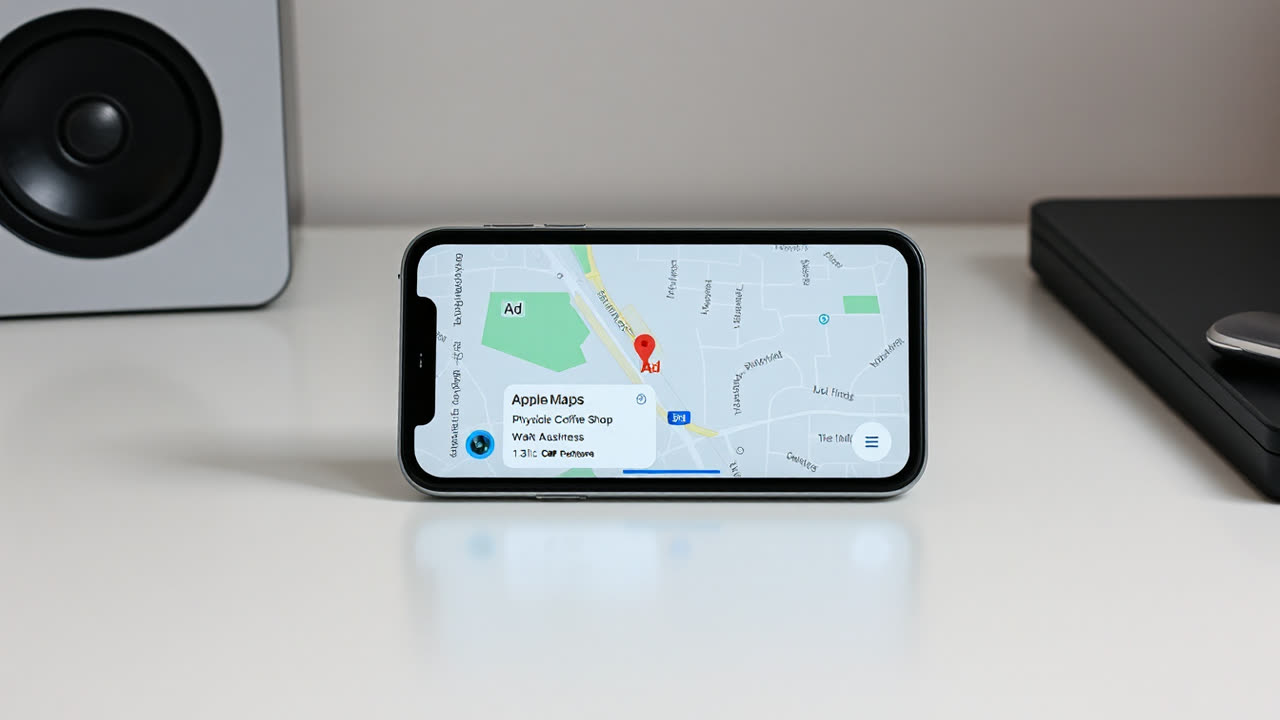
Apple has enacted a significant policy shift for its burgeoning Maps advertising platform, prohibiting home service content from appearing in upcoming ads. Effective July 14, 2026, the updated Apple Advertising Services guidelines explicitly ban promotions for a wide array of home services, including plumbing, electrical work, locksmiths, HVAC, pest control, roofing, and general contracting services. This move, announced ahead of Apple Maps ads' expected launch this summer in the U.S. and Canada, also extends to bail bonds and cryptocurrency ATMs, while medical services will be reviewed on a case-by-case basis.
This strategic exclusion is not merely a content moderation decision; it’s a foundational statement about Apple's vision for its Maps advertising experience, aiming to cultivate a more "curated list of local businesses that users might actually find useful." Unlike Google Maps, which is frequently populated with ads for these very local services, Apple appears intent on reserving its ad space for businesses with physical locations that customers can visit, such as restaurants, coffee shops, retail stores, and landmarks. This focus aligns with Maps' role as a tool for "discovery as much as it is for navigation," emphasizing experiences over on-demand services that typically come to a user's location. Ads will appear at the top of search results and within a new "Suggested Places" feature, clearly delineated by an "Ad" label and a small blue halo around the map pin, indicating a commitment to transparency.
The implications for users and the broader advertising industry are substantial. For consumers, this policy could translate into a cleaner, less cluttered Maps interface, prioritizing relevant brick-and-mortar establishments when searching for local points of interest. This approach avoids the "Wild West" of ad cards seen on some competing platforms, potentially enhancing the user experience by reducing irrelevant commercial interruptions. However, it also means users seeking immediate home service solutions through Apple Maps will find fewer, if any, direct advertising options, potentially requiring them to switch to other platforms or search methods.
For the home services industry, this ban represents a significant curtailment of a potentially lucrative new advertising channel. These businesses, which heavily rely on local search to generate leads, will be forced to concentrate their marketing budgets on existing platforms. Google's Local Services Ads (LSAs), for instance, are specifically designed for service-based businesses like plumbers and HVAC companies, appearing prominently at the top of search results. Google's LSA program involves a rigorous verification process, including background, license, and insurance checks, operating on a pay-per-lead model rather than per-click. Apple, by contrast, avoids this operational burden of vetting individual service providers by simply excluding the category. This decision effectively cedes a substantial and profitable segment of local advertising to Google, which supports both destination-based businesses and those that travel to customers.
Apple's broader advertising ambitions are clearly driving this strategic differentiation. The company has been steadily expanding its advertising footprint beyond the App Store, with ad placements already present in Apple News and Stocks. This Maps expansion is a critical component of its Services division growth strategy, which recorded a "record quarter" in its latest earnings report and is projected to reach an estimated $8.5 billion in ad revenue for 2026, with a target of $10 billion annually. By focusing on physical locations, Apple reinforces its "premium" brand identity and maintains its privacy-first stance, leveraging contextual signals like search queries and approximate location rather than building extensive user profiles, a stark contrast to Google's broader data utilization. This approach ensures that ad interactions are not linked to a user's Apple Account, with personal data remaining on the device.
Looking ahead, Apple's initial restrained approach to Maps advertising suggests a cautious, iterative rollout. While the current ban on home services is definitive, it's conceivable that future iterations of Apple Maps ads could evolve. As Apple seeks to maximize its advertising revenue from its vast iOS user base—a high-intent audience that often defaults to Apple Maps—it may eventually explore ways to incorporate more service-oriented businesses, perhaps through a more stringent verification process or a different ad format. For now, businesses with physical storefronts, particularly in the retail, hospitality, and dining sectors, stand to gain significant new visibility through this high-intent ad channel. Meanwhile, home service providers will continue to rely on Google's comprehensive suite of local advertising products, solidifying Google's dominance in that specific segment of the local search market. The Apple Business platform, which integrates these new ad capabilities, also signals Apple's ongoing commitment to providing a unified ecosystem for small businesses, further entrenching its "walled garden" approach to digital services.