Apple Developing 'Reference Image' System to Verify iPhone Photos and Combat Deepfakes
Apple is reportedly integrating a cryptographically secure provenance system into iOS 27 beta 5, fundamentally altering digital photograph authenticity by embedding verifiable data directly into iPhone-captured images.
✨ This content was summarized and interpreted by AI; it may contain errors — please verify accuracy with the original sources. Learn more
Listen to this story
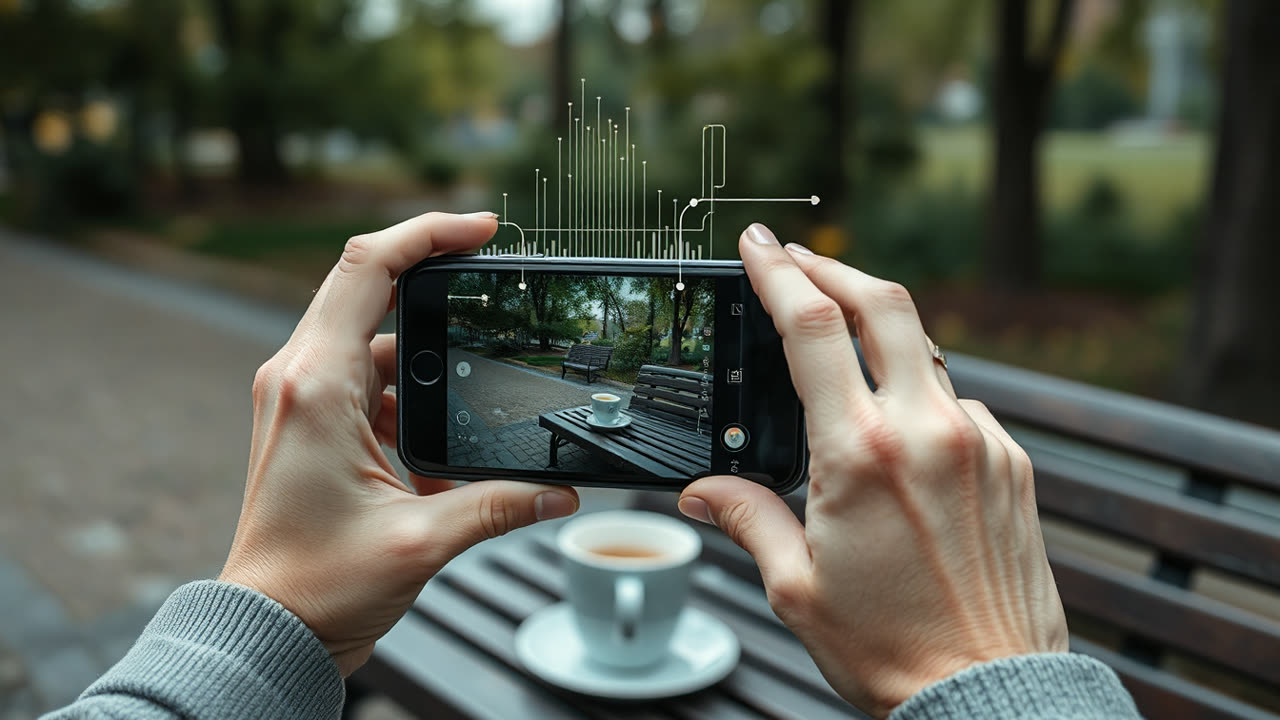
Apple is reportedly developing an "Apple Reference Image" system within iOS 27 beta 5, a feature poised to fundamentally alter how digital photographs are perceived by embedding verifiable provenance data directly into images captured by an iPhone camera. This innovation, initially reported by 9to5Mac and cited by The Verge, moves beyond traditional EXIF metadata, which is easily manipulated, to establish a robust, cryptographically secure chain of custody for digital images. The implications for content authenticity, user trust, and the broader digital media landscape are profound, arriving at a critical juncture where the proliferation of sophisticated deepfakes and AI-generated imagery threatens to erode public confidence in visual information.
This nascent system aims to create an immutable record of an image's origin, verifying that a photograph was indeed taken by a specific iPhone at a specific time, and crucially, has not been subsequently altered in a way that would compromise its integrity. Unlike existing metadata, which can be stripped or fabricated, Apple's approach suggests a deeper, perhaps hardware-backed, integration that would make such verification highly reliable. For users, this translates into a powerful new tool in the fight against misinformation and disinformation, offering a definitive way to discern genuine iPhone-captured moments from malicious fabrications. Imagine a news report featuring an image; with this technology, viewers could potentially verify its authenticity at a glance, restoring a much-needed layer of trust in visual evidence. This could significantly impact social media platforms, forcing them to adapt their content moderation strategies and potentially prioritize verified content, thereby shaping the flow of information online.
The significance of Apple's move is amplified when considering the current industry efforts to combat deepfakes. While various initiatives exist, a unified, widely adopted standard for content authenticity remains elusive. The Content Authenticity Initiative (CAI), spearheaded by Adobe, Microsoft, and the BBC, and built on the open C2PA (Coalition for Content Provenance and Authenticity) standard, offers a similar framework for embedding provenance information into various media types. C2PA-compliant tools allow creators to attach tamper-evident metadata detailing who created the content, when, and what edits were made. Google has also been active, integrating content authenticity features into its products, such as adding "About this image" labels in Google Search to provide context on images. However, Apple's potential integration at the operating system and hardware level for its vast iPhone user base could represent a monumental step towards mainstream adoption. By baking verification directly into the capture process of arguably the world's most popular camera, Apple could set a de facto industry standard, compelling rivals and content platforms to follow suit or risk being left behind in the authenticity arms race. This approach offers a distinct advantage over post-capture verification methods, as it establishes trust at the very source.
Historically, proving the authenticity of digital photos has been a losing battle. The ease of digital manipulation, coupled with the rapid advancement of AI-powered image generation and alteration tools, has rendered traditional visual cues unreliable. Older metadata standards were never designed to withstand sophisticated forgery attempts, making it trivial for bad actors to create convincing fakes. Apple's "Reference Image" system, by contrast, appears to address this fundamental vulnerability by establishing a cryptographically verifiable link between the camera hardware and the captured image, making any subsequent unauthorized alteration detectable. This moves beyond simply detecting *if* an image is AI-generated to verifying *if* a specific image *originated* from a trusted source and remains unaltered.
Looking ahead, the introduction of such a feature could usher in an era of "verified media." While the initial focus appears to be on still photographs, it is a logical and necessary progression for Apple to extend this provenance system to video content, given the increasing prevalence and impact of deepfake videos. The challenges will include ensuring seamless user experience, educating the public on how to interpret verification signals, and maintaining the balance between privacy and transparency. Furthermore, widespread adoption by other device manufacturers and content platforms will be crucial for the system's ultimate effectiveness. Should Apple successfully implement and popularize this technology, it could fundamentally reshape trust in digital media, empower individuals to distinguish fact from fiction, and set a new benchmark for accountability in the creation and dissemination of visual information. The battle against deepfakes is not just technological; it is also about restoring faith in what we see, and Apple's potential move offers a powerful new weapon in that ongoing fight.