Apple Enters Foldable Market with iPhone 18 Fold and Flip, Alongside New Pro Models
Apple has officially unveiled its first foldable smartphones, the iPhone 18 Fold and iPhone 18 Flip, marking a significant expansion of its product lineup alongside the refreshed iPhone 18 Pro and Pro Max series.
✨ This content was summarized and interpreted by AI; it may contain errors — please verify accuracy with the original sources. Learn more
Listen to this story
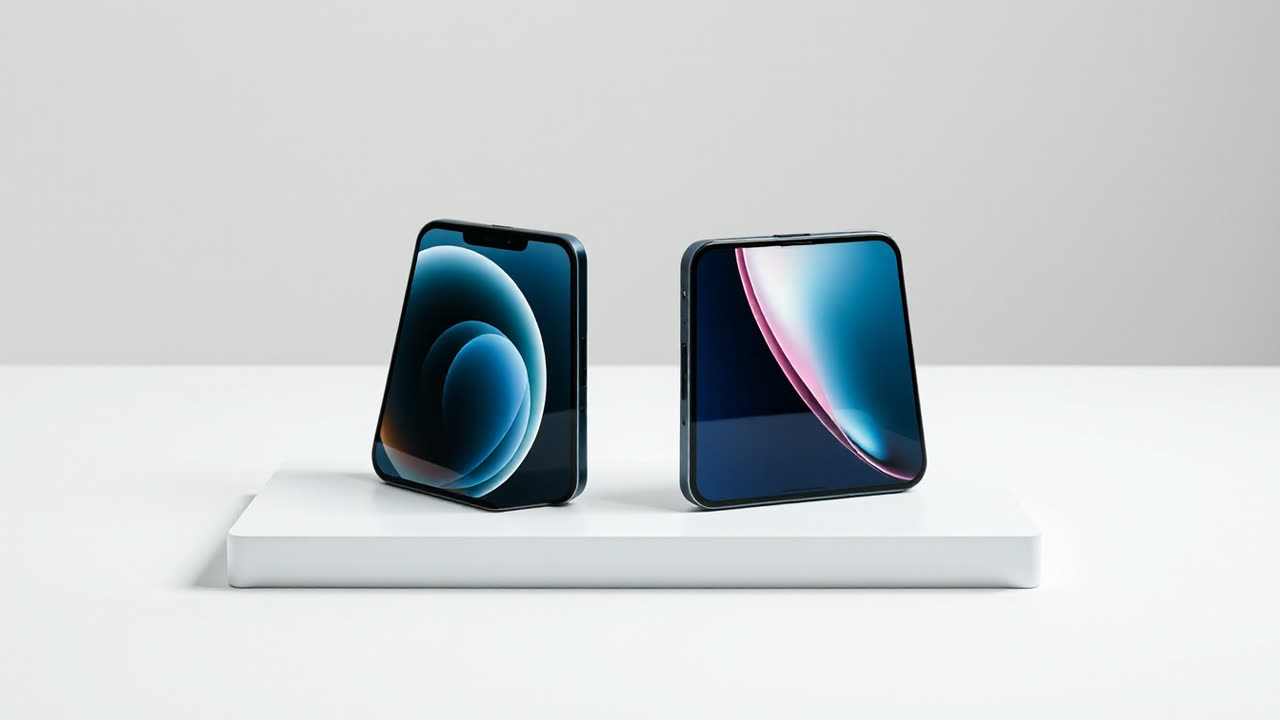
Apple’s long-anticipated entry into the foldable smartphone arena has finally materialized with the debut of the iPhone 18 Fold and iPhone 18 Flip, marking a pivotal moment not only for the company but for the entire mobile industry, alongside the expected refresh of the iPhone 18 Pro and Pro Max. The iPhone 18 Fold, priced from $1,999, introduces a tablet-style folding design, boasting a expansive 7.8-inch internal FlexDisplay and a practical 6.2-inch external screen, powered by the new A18 Bionic chip. Its clamshell counterpart, the iPhone 18 Flip, starts at a more accessible $1,799, offering a compact 6.7-inch main display and a 3.5-inch cover screen, designed for portability and quick interactions. Both models feature Apple’s innovative "FlexGlass" ultra-thin glass technology and a redesigned multi-link hinge system, rated for an impressive 400,000 folds, addressing long-standing durability concerns associated with earlier foldable iterations from competitors.
This strategic diversification into foldables matters immensely, fundamentally reshaping Apple’s product hierarchy and user choice. For years, iPhone users eyeing a foldable form factor were forced to consider Android alternatives like Samsung’s Galaxy Z series or Google’s Pixel Fold. Apple’s new duo eliminates this friction, offering loyalists a high-end, innovative option within their familiar ecosystem, potentially stemming the tide of users defecting for novel form factors. The introduction of the iPhone 18 Fold and Flip validates the foldable market, elevating its status from a niche, experimental segment to a mainstream, premium offering. This legitimization is expected to spur further investment in foldable display technology, software optimization for multi-screen experiences, and accessory development across the industry, driving innovation at an accelerated pace.
Beyond the foldables, the iPhone 18 Pro and iPhone 18 Pro Max continue Apple’s tradition of iterative, yet impactful, enhancements, starting at $999 and $1,099 respectively. These models are equipped with the more powerful A18 Pro chip, delivering significant gains in computational photography and AI processing, alongside a refined camera system that includes an advanced periscope telephoto lens on the Pro Max, offering 7x optical zoom. Improvements to the always-on display and a new, lighter aerospace-grade titanium alloy frame further refine the premium experience, building upon the foundations laid by the iPhone 17 series’ introduction of the A17 Bionic chip and Dynamic Island. The standard iPhone 18 and iPhone 18 Plus, starting at $799 and $899, inherit last year’s A17 Pro chip, bringing flagship-level performance to a wider audience, alongside enhanced camera sensors and the full Dynamic Island experience. This tiered approach ensures that Apple maintains competitive offerings across various price points, balancing cutting-edge innovation with accessible upgrades.
Comparing Apple’s folding debut to existing rivals, the iPhone 18 Fold and Flip immediately face stiff competition from Samsung’s established Galaxy Z Fold 6/7 and Z Flip 6/7 lines, as well as Google’s Pixel Fold 2. While Apple arrives later to the party, its reputation for polished software integration and premium hardware design could quickly win over consumers. The iPhone 18 Fold’s hinge durability rating and FlexGlass technology appear to directly address past criticisms of creasing and fragility in competitor models, positioning Apple as a leader in structural integrity. The seamless integration of iOS with the foldable form factor, particularly with new multitasking gestures and app optimizations for the larger internal display, offers a distinct advantage over Android’s more fragmented foldable software ecosystem.
Looking ahead, the launch of the iPhone 18 Fold and Flip signals a significant shift in Apple's long-term product strategy, moving beyond the traditional slab phone paradigm. This initial duo is likely just the beginning, with future iterations expected to refine the form factors, reduce thickness and weight, and potentially introduce more diverse folding designs, such as rollable screens or even tri-fold devices. The enhanced A18 Pro chip in the Pro models, with its focus on AI and machine learning, also points towards an increasing reliance on on-device intelligence for everything from advanced photography to personalized user experiences. As foldable technology matures, manufacturing costs decrease, and Apple gains scale, we can anticipate these premium features trickling down to more affordable models, eventually making foldable iPhones a common sight. This bold move into foldables not only secures Apple’s position at the forefront of mobile innovation but also sets the stage for a new era of personal computing, where the device can adapt its form to the user's immediate needs.