Apple's Crucial Warning: High Temperatures Critically Impair MacBook Performance and Longevity
Extended exposure to temperatures above 35°C (95°F) can trigger thermal throttling, accelerate battery degradation, and potentially damage displays, significantly impacting user experience and device lifespan.
✨ This content was summarized and interpreted by AI; it may contain errors — please verify accuracy with the original sources. Learn more
Listen to this story
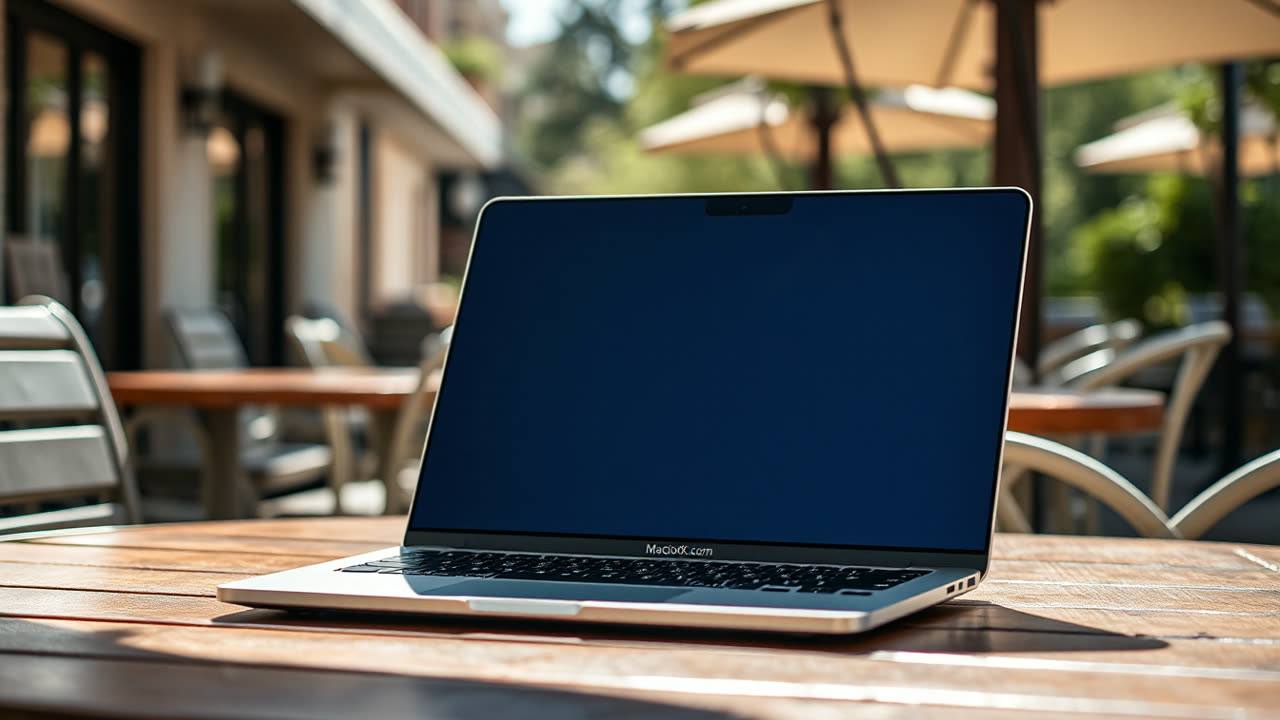
Extended exposure to temperatures exceeding 35°C (95°F) can critically impair a MacBook's performance and longevity, a crucial caveat for users increasingly reliant on portable workstations in diverse environments. This seemingly simple piece of advice from Apple's official guidelines, often overlooked, underscores a fundamental tension between the pursuit of ultra-thin, powerful mobile computing and the immutable laws of thermodynamics. The core issue isn't merely discomfort for the user but a cascade of detrimental effects on the device itself, ranging from immediate thermal throttling and reduced processing power to long-term battery degradation and potential hardware failures.
When a MacBook operates in direct sunlight or a hot ambient environment, its internal components rapidly approach their thermal limits. The M-series chips, despite their lauded power efficiency, still generate heat, which needs to be dissipated. In inadequate cooling conditions, the system's firmware initiates thermal throttling, intentionally slowing down the CPU and GPU to prevent overheating and permanent damage. This directly translates to a noticeable drop in performance, turning intensive tasks like video editing or compiling code into sluggish, frustrating experiences. Beyond performance, prolonged heat exposure significantly shortens the lifespan of the lithium-ion battery, accelerating its capacity loss and reducing the number of charge cycles it can endure. A battery designed for hundreds of cycles might see its effective life halved under consistent thermal stress, leading to earlier replacement needs. Furthermore, display technologies, particularly LCD and potentially OLED panels, can suffer temporary or permanent damage, including reduced brightness, color shifts, or even localized burn-in from intense, direct solar radiation.
The implications for users are substantial, transforming a high-end portable device into a fragile instrument constrained by environmental factors. For professionals who have embraced the flexibility of working outdoors, whether at a cafe or a remote site, the reality of a thermally compromised MacBook can mean lost productivity, data integrity risks from unexpected shutdowns, and the hidden cost of accelerated hardware wear. This challenge also reverberates through the tech industry, highlighting the delicate balance manufacturers must strike between raw processing power, sleek design, and effective thermal management. The drive for thinner form factors often necessitates compromises in heat dissipation, leading to a perpetual engineering puzzle.
Historically, Intel-based MacBooks, particularly those with higher-TDP (Thermal Design Power) processors, were notoriously susceptible to overheating, often becoming uncomfortably hot to the touch and exhibiting aggressive fan noise under load, even indoors. The advent of Apple Silicon, starting with the M1 chip in late 2020, marked a significant leap in thermal efficiency, allowing for fanless designs in some MacBook Air models and notably quieter operation in Pro versions. This architectural shift, leveraging a System-on-a-Chip (SoC) design, has indeed improved general thermal performance, making MacBooks less prone to throttling in moderate conditions. However, it does not magically eliminate the issue in extreme heat. While Apple Silicon generates less heat for a given workload compared to its Intel predecessors, the fundamental physics of heat dissipation in a sealed aluminum enclosure remain. Rival Windows laptops from manufacturers like Dell, HP, and Lenovo present a mixed bag. Some high-performance gaming laptops feature robust, often bulky, cooling systems that might handle heat better, but at the expense of portability and battery life. Ultra-thin Windows ultrabooks, however, often face similar, if not worse, thermal challenges due to their x86 architecture and reliance on compact cooling solutions. The choice of chassis material (e.g., plastic vs. aluminum) and internal fan designs also plays a role, with some rivals offering slightly better thermal headroom in certain scenarios, though none are truly immune to direct sunlight or high ambient temperatures.
Looking ahead, the trajectory of mobile computing suggests a continued push for both performance and portability, which will only intensify the thermal management challenge. Apple is likely to continue refining its M-series chips, focusing on further reductions in power consumption per watt, thereby generating less heat at the source. Innovations in cooling technology, such as more efficient vapor chambers, advanced heat pipes, or even novel material science applications for heat dissipation, could become more prevalent. We might see a greater integration of smart, adaptive cooling software that proactively adjusts performance profiles based on environmental sensors. Furthermore, display technologies could evolve to be more resilient to direct sunlight, perhaps through improved anti-reflective coatings or new panel types less susceptible to thermal degradation. For users, increased awareness, coupled with the availability of effective accessories like laptop shades or active cooling pads, will become essential tools for maximizing outdoor productivity. Ultimately, while MacBooks will undoubtedly become more thermally adept, the laws of physics dictate that extreme environmental conditions will always remain a significant consideration, making informed usage a perpetual necessity for protecting these sophisticated devices.