Apple's iOS 27.0.1 Update Addresses Critical iPhone 18 Pro Face ID and Touchscreen Flaws
Apple swiftly released iOS 27.0.1 for the iPhone 18 Pro lineup to fix widespread Face ID malfunctions and intermittent touchscreen unresponsiveness just days after launch.
✨ This content was summarized and interpreted by AI; it may contain errors — please verify accuracy with the original sources. Learn more
Listen to this story
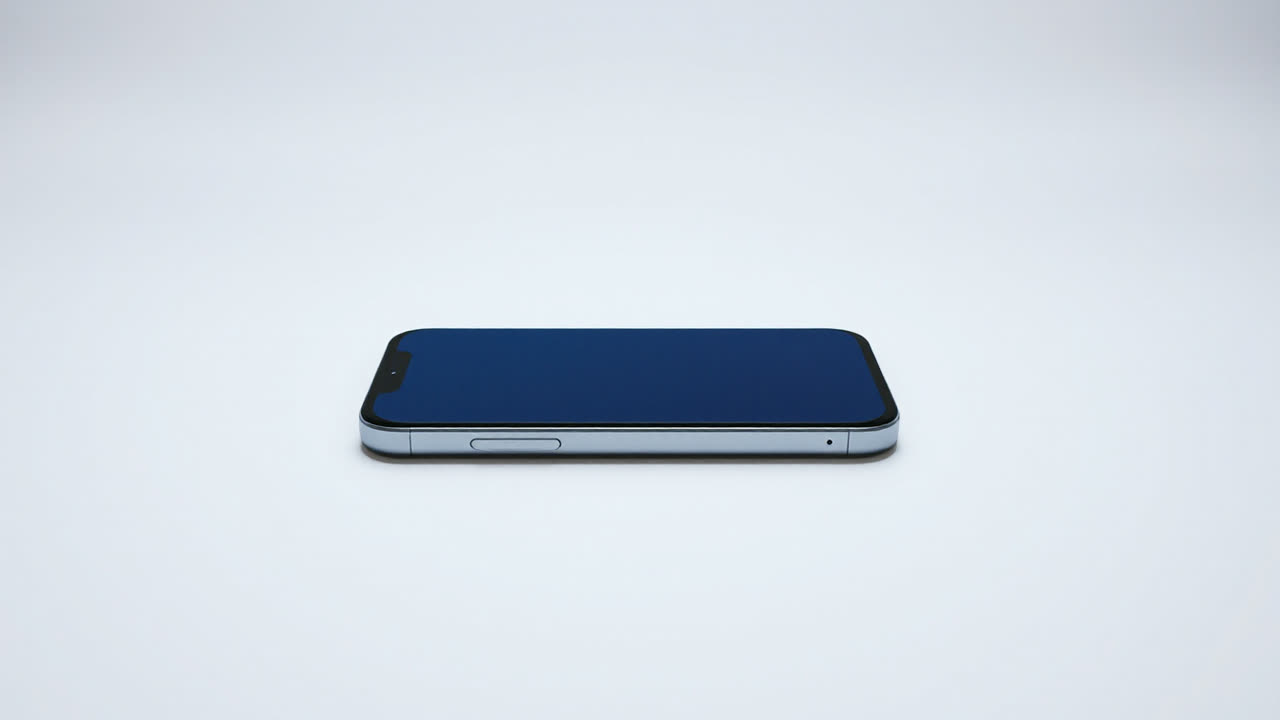
Apple's swift release of iOS 27.0.1 for the iPhone 18 Pro lineup underscores critical software instability plaguing its latest flagship, directly addressing widespread complaints of Face ID malfunctions and intermittent touchscreen unresponsiveness mere days after the devices hit shelves. This urgent patch, weighing in at approximately 750MB, targets a specific set of issues that have severely impacted the user experience on the cutting-edge iPhone 18 Pro and Pro Max models since their September 18 launch alongside iOS 27.0. The update aims to rectify instances where Face ID failed to authenticate, particularly when unlocking protected applications, and resolves a frustrating bug causing devices to freeze before spontaneously rebooting to the Lock Screen after failed Face ID attempts. Furthermore, iOS 27.0.1 tackles an aggravating touchscreen problem that rendered the display unresponsive, especially when users attempted to open both the Notification Center and Control Center simultaneously.
The necessity for such a rapid, post-launch update on Apple's premium devices signals a concerning lapse in quality assurance, particularly given the iPhone 18 Pro's status as a top-tier offering. For users, the immediate impact of these bugs transcended mere inconvenience, touching upon fundamental aspects of smartphone interaction and security. Face ID, a cornerstone of Apple's biometric authentication since its introduction with the iPhone X in 2017, is not just for unlocking devices; it secures payments, app access, and sensitive information. Its failure, therefore, directly compromises both the security and seamlessness Apple promises. Reports of Face ID being "not available" during setup or displaying inconsistent behavior with "Require Attention for Face ID" settings further eroded user confidence in a technology designed for robust, effortless security. Simultaneously, an unresponsive touchscreen, a problem that has historically plagued various iPhone models due to software glitches or hardware issues, cripples the device's core functionality, turning a sophisticated tool into a frustrating brick. The combination of these critical flaws on a brand-new, premium-priced device creates a significant dent in the meticulously crafted "just works" perception that Apple has long cultivated.
This rapid patch also carries substantial implications for Apple's reputation and the broader smartphone industry. While software glitches are not uncommon, the severity and prevalence of these issues on a flagship launch are notable. The iPhone 18 Pro introduced a redesigned TrueDepth system, relocating the infrared camera beneath the display to accommodate the new Dynamic Island. While there is no definitive evidence yet linking this hardware redesign directly to the Face ID failures, the timing suggests potential integration challenges that manifested in the software. Previous iPhone generations have faced their share of issues, from the infamous "Touch Disease" on the iPhone 6 line to intermittent touchscreen unresponsiveness on models like the iPhone 15 Pro. However, for a device positioned at the pinnacle of mobile technology, these fundamental operational failures are particularly damaging. Rivals in the high-end smartphone market, such as Samsung's Galaxy S-series or Google's Pixel line, are constantly striving for biometric and display perfection, making any significant misstep by Apple a potential competitive advantage for others. The incident places increased scrutiny on Apple's development and testing protocols, especially as it pushes the boundaries of hardware integration and software features.
Looking ahead, the swift deployment of iOS 27.0.1 demonstrates Apple's commitment to addressing critical issues promptly, a strategy crucial for maintaining user trust. However, the recurrence of significant bugs at launch might prompt Apple to re-evaluate its software development and quality assurance cycles. The company typically follows a pattern of major annual iOS upgrades followed by numerous point releases to introduce new features and address bugs. With the current update primarily focused on stabilization, subsequent iOS 27.x releases are expected to bring more substantial feature enhancements, potentially including deeper integration of Apple Intelligence, a suite of AI-powered tools hinted at in previous iOS cycles as a major upcoming innovation.
The incident could also influence the public's perception of Apple's beta programs. If critical bugs are slipping through to general release, users might become more cautious, or conversely, more engaged in beta testing to preemptively identify such issues. For Apple, the challenge lies in balancing aggressive innovation with unwavering reliability. The iPhone 18 Pro's Face ID and touchscreen issues, though swiftly patched, serve as a potent reminder that even market leaders are not immune to launch day stumbles. Moving forward, Apple must ensure that its pursuit of groundbreaking hardware and software integration does not compromise the fundamental stability and security that users have come to expect from its premium devices, lest it risk further erosion of its hard-earned reputation for delivering a seamless, dependable user experience.