Apple's iOS 27 Introduces iPhone Handoff for Seamless Dual-iPhone Number Sharing
Apple's upcoming iOS 27 update will allow users to seamlessly share a single phone number across two iPhones, leveraging eSIM technology for dynamic cellular identity management.
✨ This content was summarized and interpreted by AI; it may contain errors — please verify accuracy with the original sources. Learn more
Listen to this story
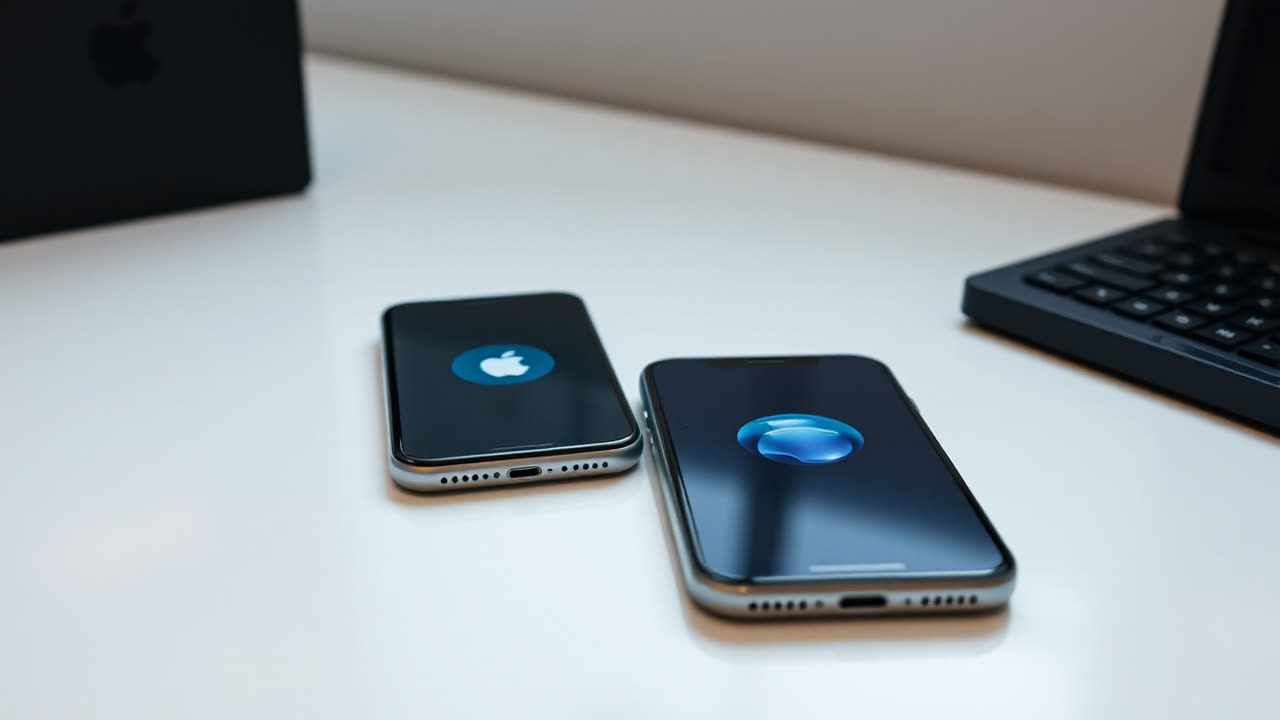
Apple's forthcoming iOS 27 update, slated for release later this month, introduces "iPhone Handoff," a groundbreaking feature that will enable users to seamlessly share a single phone number across two iPhones. This functionality, briefly highlighted during the WWDC 2026 keynote in June, has since been detailed through Xcode 27's Device Hub simulations, revealing a sophisticated eSIM-driven mechanism. Far from a mere convenience, iPhone Handoff represents a significant evolution in multi-device management, directly addressing a long-standing pain point for power users and signaling a strategic shift in how cellular identity is managed within Apple's ecosystem.
The core of iPhone Handoff lies in its intelligent utilization of eSIM technology. Users will designate one iPhone as their "main" device, which retains the primary eSIM and manages all cellular settings. A second "companion" iPhone then receives a linked eSIM profile connected to the same number, allowing for dynamic switching. Setup is straightforward, handled within the Settings app under the Cellular menu. Crucially, the shared phone number becomes active on whichever iPhone is currently unlocked, accompanied by a notification confirming the transfer of service. Location sharing, often tied to the active device, will dynamically follow the iPhone currently utilizing the cellular number, ensuring continuity for services like Find My and shared family locations. Initial carrier support is crucial, with T-Mobile US and Germany's Deutsche Telekom identified as early partners.
This feature is more than just a novelty; it fundamentally alters the user experience for those juggling multiple devices. Historically, using one phone number on two devices has been cumbersome, involving manual SIM card swaps, often unreliable call forwarding, or reliance on third-party Voice over Internet Protocol (VoIP) applications like Google Voice or Quo, which can introduce separate numbers or depend on data connectivity. While major carriers such as T-Mobile with DIGITS or Verizon with Number Share offer multi-device plans, these often involve separate data plans or specific app-based forwarding that doesn't provide true, seamless cellular number switching between two *primary* handsets. iPhone Handoff eliminates these workarounds, providing a native, integrated solution that streamlines the experience for users who maintain separate personal and work phones, use a secondary device for travel or specific activities, or simply desire a backup phone without the hassle of managing multiple numbers or physical SIMs. The ability to effortlessly switch active cellular service to the device currently in hand is a significant leap in user convenience.
Apple's existing Continuity features already provide a robust multi-device ecosystem, enabling tasks like Handoff for apps, Universal Clipboard, Continuity Camera, and the ability to make and receive calls and texts on Macs or iPads. However, these functions typically involve forwarding calls or syncing data; they do not allow a cellular number to actively *switch* its physical connection between two iPhones. Rivals like Samsung offer a comprehensive "Galaxy connected experience" with features such as Quick Share for file transfers, Samsung Notes synchronization, and Multi Control for using a single mouse and keyboard across devices. Google Pixel devices also emphasize cross-device services, including hotspot sharing and switching video calls between devices, and newer Pixel 8 models even support multi-user Bluetooth LE Audio. While these ecosystems excel at data and application continuity, none currently offer the direct, active cellular number switching between two smartphones that iPhone Handoff promises. This distinct advantage further entrenches users within the Apple ecosystem by solving a unique multi-iPhone management challenge.
Looking ahead, iPhone Handoff is poised to exert considerable influence across the mobile industry. Its reliance on carrier support means that Apple will likely incentivize other major network providers to adopt the technology, potentially accelerating the broader industry shift towards more flexible, software-defined cellular experiences powered by eSIMs. This could foster greater competition among carriers to offer seamless multi-device connectivity options. Furthermore, Apple might expand this concept beyond just two iPhones, potentially allowing iPads, Macs, or even future mixed-reality devices to temporarily assume the primary iPhone's cellular identity for calls and messages, blurring the lines between device categories even further. The dynamic management of location data and active cellular service also raises important questions about security and privacy, which Apple and its carrier partners will need to transparently address to build user trust. Ultimately, iPhone Handoff with iOS 27 is not just a new feature; it's a strategic move that acknowledges the increasing prevalence of multi-phone ownership and leverages eSIM technology to deliver a truly seamless, integrated cellular experience, paving the way for a more fluid and interconnected personal technology landscape.