Apple's iOS 27 Overhauls Find My Location Sharing with Granular Controls
Apple's iOS 27 introduces unprecedented granular control over Find My location sharing, moving beyond rigid options to offer custom durations and a discreet "Hide Location" toggle.
✨ This content was summarized and interpreted by AI; it may contain errors — please verify accuracy with the original sources. Learn more
Listen to this story
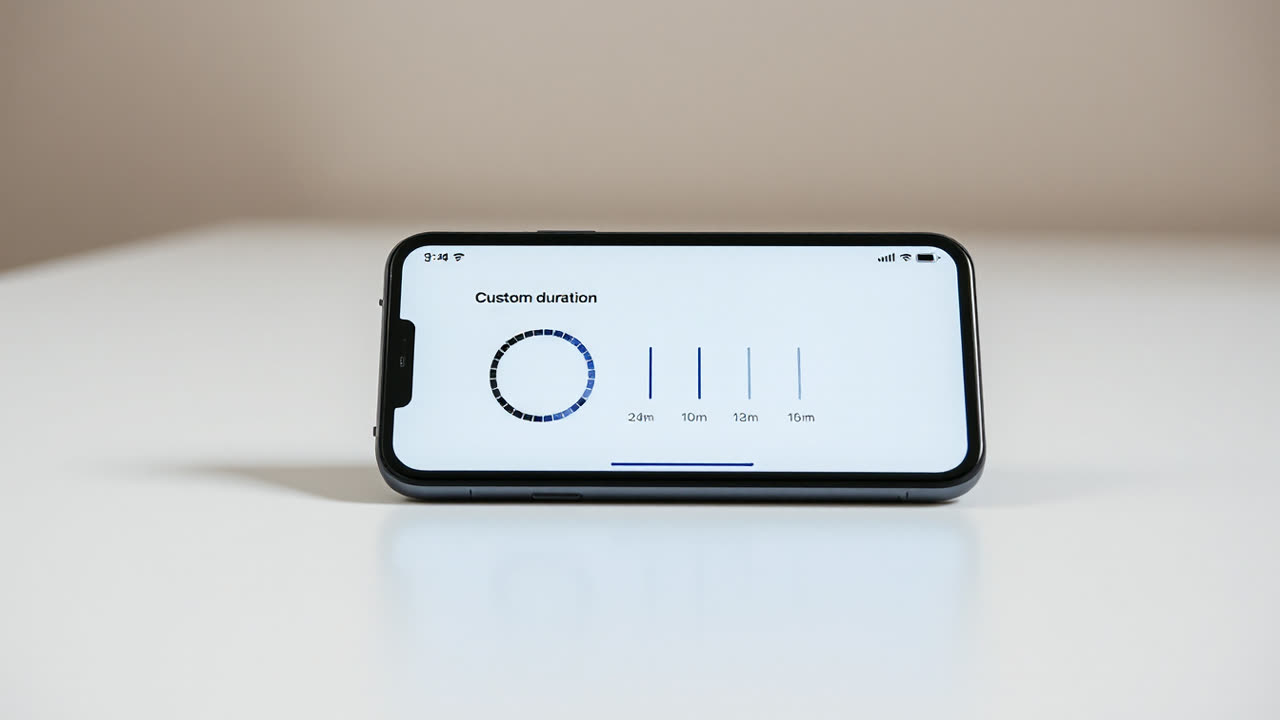
Apple's upcoming iOS 27 introduces a significant and overdue evolution to its Find My location sharing capabilities, moving beyond the long-standing, rigid options of "an hour, a day, or indefinitely" to offer users unprecedented granular control over their digital whereabouts. The most striking enhancement is the new "Custom" duration setting, which empowers iPhone users to precisely dictate how long their location is visible to others. This means sharing can now be configured for a specific number of days (up to 30), hours (up to 23), or minutes (with a minimum of 15 minutes), utilizing intuitive rolling dials, or by simply setting an exact end date and time. Accompanying this is a novel "Hide Location" toggle, enabling users to temporarily pause sharing with specific individuals without triggering any notification or alert to the recipient, a substantial privacy upgrade.
This shift represents a profound analytical value for both users and the broader tech industry, extending far beyond a simple feature addition. For users, the immediate impact is a substantial boost in personal privacy and control. The previous limitations often forced individuals to choose between oversharing their location indefinitely or manually remembering to disable sharing after a temporary need, a friction point that frequently led to either privacy compromises or forgotten settings. The new custom duration alleviates this "always on" anxiety, allowing for precise, context-specific sharing that aligns with real-world scenarios. For instance, parents can share their location with a babysitter for the exact duration of an evening out, travelers can share with companions for the length of a trip without constant re-enabling, or individuals on a blind date can grant a trusted friend temporary access for peace of mind. This flexibility transforms location sharing from a binary "on/off" decision into a nuanced tool tailored to diverse social and safety requirements, ultimately fostering greater trust and adoption of the feature.
Beyond privacy, the enhanced flexibility significantly improves convenience and safety. Coordinating meet-ups becomes more seamless, as temporary sharing can be initiated and forgotten, knowing it will automatically cease. In emergency or safety-conscious situations, such as late-night commutes or solo activities, users can establish a precise window for trusted contacts to monitor their progress, with the assurance that tracking will automatically conclude once the perceived risk has passed. The "Hide Location" feature further refines this, offering a discreet "pause" functionality that respects privacy without severing existing sharing relationships, useful for surprise planning or simply desiring a moment of digital solitude.
From an industry perspective, iOS 27's refined Find My capabilities set a new benchmark for location-sharing services. While rivals like Google Maps offer temporary sharing options (e.g., "1 hour" or "until arrival at destination"), the granular, custom-duration control introduced by Apple offers a level of precision that competitors will likely need to match to remain competitive in the privacy-conscious market. WhatsApp, for example, allows live location sharing for 15 minutes, 1 hour, or 8 hours, but lacks the fine-tuned control of days, hours, and minutes that iOS 27 now provides. This move reinforces Apple's commitment to user-centric privacy, potentially strengthening its ecosystem by demonstrating a proactive approach to user data management. It also subtly pressures third-party developers to integrate similar robust controls into their own location-aware applications, or risk being perceived as less privacy-friendly.
Historically, Apple's Find My app has evolved from a basic device locator to a comprehensive network for tracking both personal devices and AirTag-equipped items, including a notable update in iOS 18.2 that allowed sharing AirTag locations with third parties like airlines for lost luggage, with a seven-day expiry. However, the person-to-person location sharing remained comparatively static with its limited duration choices until now. iOS 27 bridges this gap, bringing the same level of thoughtful control to personal location data as it has to item tracking.
Looking ahead, the introduction of custom duration sharing in iOS 27 is likely just the beginning. We can anticipate further integration with Apple's intelligent features. Future iterations could see location sharing suggestions automatically generated based on calendar events or Focus Modes, prompting users to share their location for the duration of a scheduled meeting or a family outing. Automation through Shortcuts could allow users to create complex rules, such as "share location with spouse for 3 hours when leaving work." Further enhancements to the "Hide Location" feature might include more nuanced privacy settings, such as sharing only approximate proximity rather than precise coordinates in certain contexts. Ultimately, this granular control fosters a more responsible and intuitive approach to sharing personal data, setting a precedent for how digital ecosystems can empower users while enhancing both convenience and security.