Apple's iOS 27 Set to Revolutionize Digital Safety with Advanced Impersonator Risk Detection
Apple's forthcoming iOS 27 is poised to introduce a groundbreaking security feature designed to thwart sophisticated impersonation scams, a silent guardian that could fundamentally shift the landscape of digital safety for iPhone and iPad users.
✨ This content was summarized and interpreted by AI; it may contain errors — please verify accuracy with the original sources. Learn more
Listen to this story
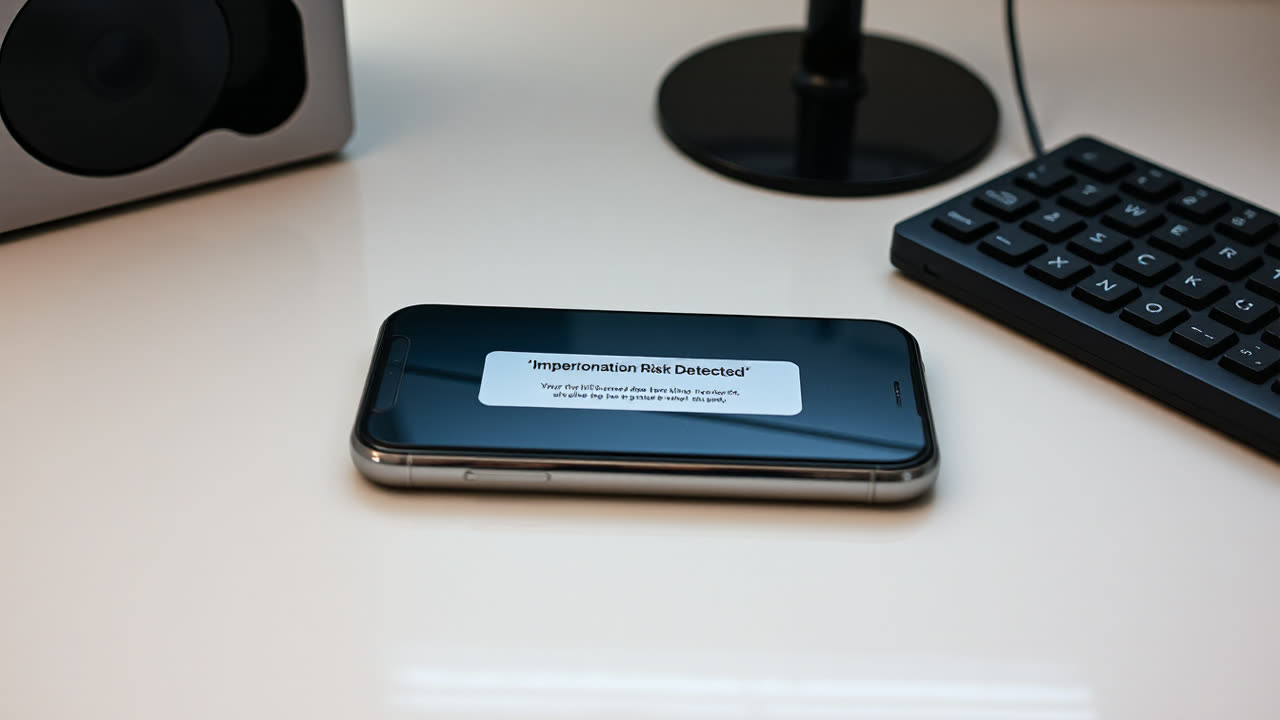
Apple's forthcoming iOS 27 is poised to introduce a groundbreaking security feature designed to thwart sophisticated impersonation scams, a silent guardian that could fundamentally shift the landscape of digital safety for iPhone and iPad users. This advanced "Impersonator Risk Detection" system, while not grabbing mainstream headlines like flashy new hardware, represents a critical evolution in on-device threat intelligence, leveraging deep integration into the operating system to identify and warn users about communications from individuals or entities attempting to mimic trusted contacts or organizations.
The core mechanism of this new feature likely extends beyond traditional spam filters or simple phishing link detection, which primarily rely on known blacklists or URL analysis. Instead, Impersonator Risk Detection is anticipated to employ sophisticated on-device machine learning models that analyze a multitude of contextual cues and behavioral patterns. This could include scrutinizing the sender's email address or phone number for subtle alterations, evaluating the communication's linguistic style against historical interactions with the legitimate contact, and even assessing metadata like sending location or unusual timing. For instance, if an email purporting to be from a bank contains a slightly off domain name, or if a message from a family member deviates significantly from their usual grammar or phrasing, the system could flag it, presenting a clear warning to the user before they engage. This proactive, intelligent analysis aims to catch the nuanced social engineering tactics that often bypass simpler security measures, providing a crucial layer of defense against financial fraud, identity theft, and personal data breaches.
This innovation matters immensely because it directly addresses the escalating sophistication of social engineering attacks, which are increasingly difficult for human users to detect without assistance. Scammers have long exploited trust, crafting convincing replicas of legitimate communications that coerce victims into revealing sensitive information or transferring funds. By embedding this detection at the OS level, Apple empowers its devices to act as intelligent personal security assistants, offloading the cognitive burden from users who are often distracted or less security-savvy. For the industry, this sets a new benchmark for proactive user protection, potentially compelling other platform developers like Google with Android, or even desktop operating systems, to invest more heavily in similar contextual, AI-driven anti-scam technologies. The move also reinforces Apple's long-standing commitment to user privacy, as much of this sophisticated analysis is expected to occur on-device, minimizing the transmission of sensitive user communication data to external servers. This approach aligns with Apple's "privacy by design" philosophy, ensuring that enhanced security does not come at the cost of personal data exposure.
Compared to prior generations of iOS security, which have steadily improved with features like Mail Privacy Protection and Advanced Data Protection, Impersonator Risk Detection represents a significant leap from reactive or opt-in measures to a more pervasive, intelligent, and real-time threat assessment. Existing phishing filters often rely on broad patterns or reported scams, while this new feature aims to identify *unique* impersonation attempts based on individual user contexts. While Android has also made strides in security, offering features like real-time app scanning and enhanced privacy controls, a directly comparable, deeply integrated, and behaviorally-aware "impersonator risk detection" system at the OS level is not yet a widely publicized feature. Apple's integrated hardware and software ecosystem provides a unique advantage, allowing for optimized on-device machine learning that can perform complex analyses without significant performance impact or battery drain. This tight integration ensures that the feature is not merely an add-on but a fundamental part of the device's security posture.
Looking ahead, this feature is likely just the beginning of a broader trend towards highly personalized and context-aware security. We can anticipate future iterations that might integrate with biometric authentication, leveraging facial or voice recognition patterns to verify the legitimacy of incoming calls or video messages. Furthermore, as generative AI becomes more prevalent, the ability of scammers to create highly convincing fake content will only increase, making features like Impersonator Risk Detection indispensable. Apple may further refine the system to offer granular control to users, allowing them to adjust sensitivity levels or report new impersonation tactics to further enhance the collective defense. The immediate challenge will be ensuring the system minimizes false positives, preventing legitimate communications from being flagged, and continuously adapting to the ever-evolving tactics of malicious actors. Ultimately, this silent security guardian in iOS 27 underscores a future where our devices don't just protect our data, but actively help us navigate a deceptive digital world with greater confidence.