Apple's iPhone 18 Base Model Faces Unprecedented Launch Delay, Signaling Strategic Shift
Apple's base iPhone 18 model will reportedly skip the traditional September unveiling, launching later than its Pro counterparts, marking a significant change in the company's product release strategy.
✨ This content was summarized and interpreted by AI; it may contain errors — please verify accuracy with the original sources. Learn more
Listen to this story
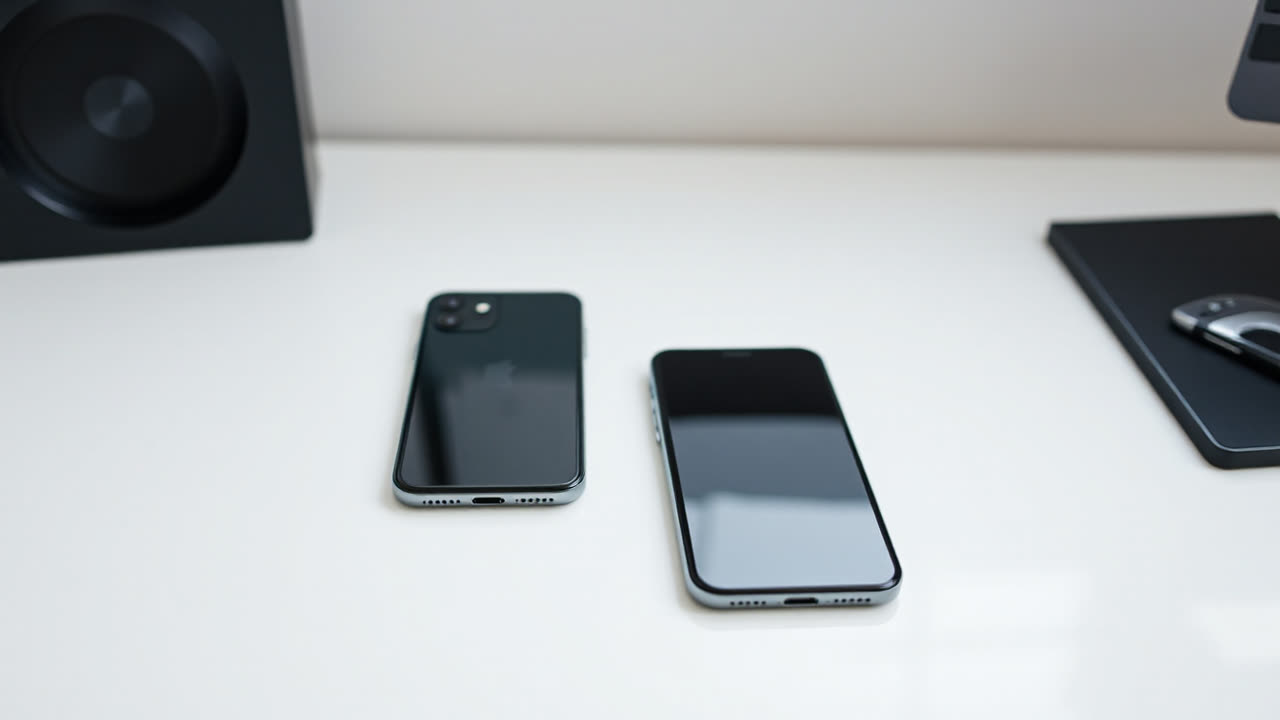
Apple's anticipated iPhone 18 series faces an unprecedented split launch this fall, with the base iPhone 18 model reportedly skipping the traditional September unveiling and arriving later than its Pro counterparts. This strategic divergence, initially highlighted by an Economic Daily News report and subsequently confirmed by Apple supplier Pegatron during an earnings call, signals a significant shift in Apple's product release cadence and underscores an intensifying focus on its premium offerings. While the iPhone 18 Pro series is expected to debut as scheduled, the delayed arrival of the standard model could reshape consumer purchasing patterns, impact Apple's holiday quarter revenues, and reflect broader industry trends favoring high-end devices.
This decision to separate the launch of its flagship and entry-level models is not merely a logistical hiccup but a calculated move with profound implications. For users, it creates a distinct two-tiered availability, potentially pushing those eager for the latest Apple technology towards the more expensive Pro models in the initial rush. This could lead to an immediate uplift in average selling prices (ASPs) for Apple, a metric closely watched by investors. Historically, Apple has launched all new iPhone models simultaneously, or at least within a very tight window, typically in September. The iPhone X in 2017 saw a slightly later November release compared to the iPhone 8 and 8 Plus in September, but this was an isolated high-end device, not a delay of a base model within the same generation. More recently, the iPhone 12 mini and 12 Pro Max also saw staggered releases in late 2020, but the core models were available simultaneously. This time, the reported delay specifically targets the *base* model, suggesting a deliberate strategy to prioritize manufacturing and marketing resources on the higher-margin Pro variants.
The rationale behind such a move is multifaceted. One primary driver could be the increasing demand for premium smartphones globally. Data from Counterpoint Research indicates that the premium smartphone segment (devices priced above $600) has consistently outperformed the overall market, growing by 6% year-on-year in 2025, reaching a record 25% of the total smartphone market share. Within this segment, Apple maintains a dominant position, capturing over 70% of the premium market share in recent quarters. By pushing the Pro models first, Apple effectively capitalizes on this affluent segment of early adopters and tech enthusiasts, maximizing initial sales of its most profitable devices. It also allows Apple to showcase its most advanced features – likely including next-generation AI capabilities, enhanced camera systems, and potentially a new A18 Pro chip – without the base model potentially diluting the narrative or cannibalizing sales of the higher-tier devices.
Supply chain dynamics could also play a critical role. While Pegatron confirmed the delay during an earnings call, the specifics of the constraint remain undisclosed. Manufacturing complexities for new components, particularly for cutting-edge technologies often reserved for the Pro models, or unforeseen challenges in scaling production for the base iPhone 18, could necessitate such a staggered approach. Reports from analyst firms like TrendForce have frequently highlighted the intricate dance of component procurement and assembly that Apple orchestrates, with even minor disruptions capable of impacting launch timelines. By focusing on the Pro models first, Apple could be streamlining its supply chain efforts, ensuring a smoother rollout for its most critical products. This also provides a buffer to address any manufacturing bottlenecks for the base model, which typically sells in higher volumes over its lifecycle.
Looking ahead, this split launch could become a recurring strategy for Apple, especially if it proves successful in driving Pro model sales and maintaining high ASPs. It could also force rivals like Samsung and Google to reassess their own launch strategies. While Samsung typically launches its flagship Galaxy S series in early spring, and Google's Pixel phones arrive in the fall, a prolonged period of Apple's Pro models dominating the late-year premium segment could intensify competition. The delayed iPhone 18 could also benefit other mid-range Android manufacturers who might see a window to capture consumers unwilling to wait or unwilling to pay the premium for the Pro models.
The long-term impact on the base iPhone model's sales remains to be seen. A later launch could mean it misses out on the crucial early holiday shopping season, potentially shifting sales into the subsequent quarter. However, it could also benefit from renewed marketing attention and a less crowded launch window later in the year. Apple has demonstrated a willingness to experiment with its product cycles, as seen with the standalone spring launches of its iPhone SE models. Ultimately, the decision to delay the base iPhone 18 underscores Apple's strategic agility in a mature smartphone market, prioritizing profitability and premium market dominance while navigating complex supply chains and evolving consumer preferences. This fall, the spotlight will undoubtedly be on the iPhone 18 Pro series, setting a new precedent for Apple's annual product spectacle and potentially reshaping the future of iPhone releases.