Apple's iPhone 18 Camera Controls: Exclusive Texture and Grain Features Signal Deeper Hardware Lock-in
Apple confirms advanced Texture and Grain camera controls will be exclusive to iPhone 18 and 18 Pro, signaling a deliberate and impactful segmentation strategy.
✨ This content was summarized and interpreted by AI; it may contain errors — please verify accuracy with the original sources. Learn more
Listen to this story
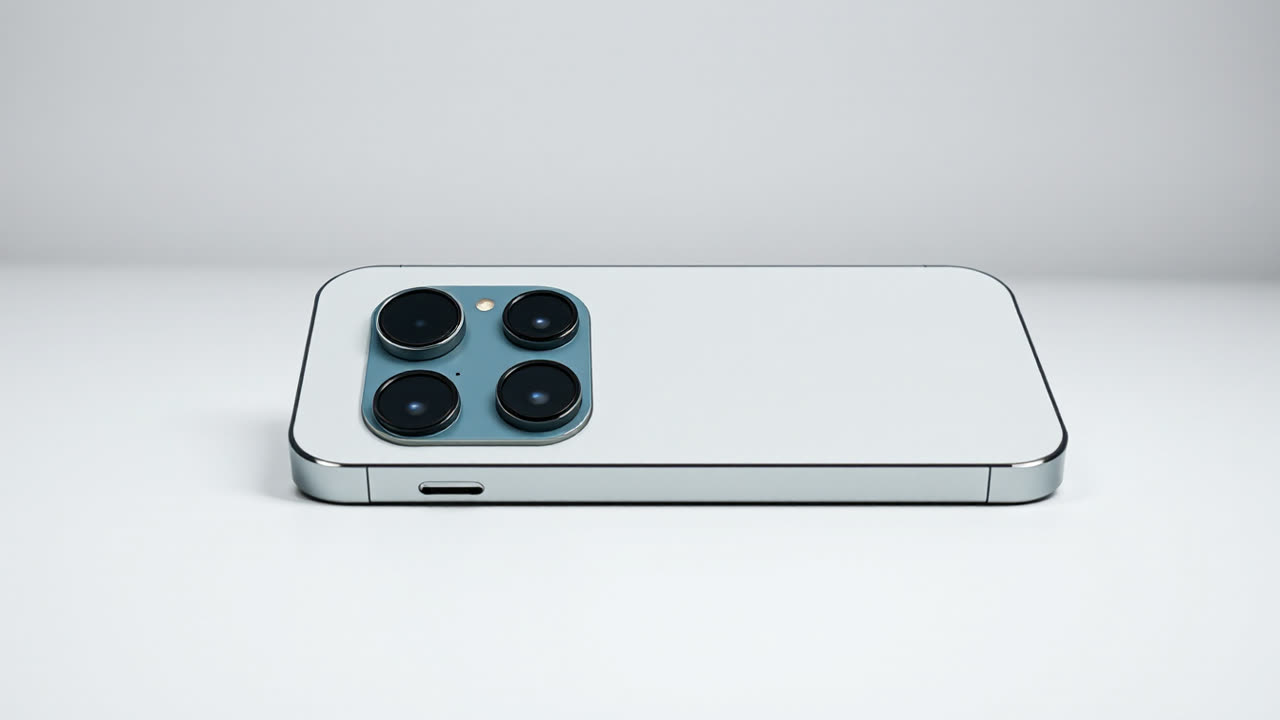
Apple's latest clarification, confirming that its advanced Texture and Grain camera controls will be exclusive to the forthcoming iPhone 18 and 18 Pro running iOS 27, signals a deliberate and impactful segmentation strategy that will leave older device owners with significantly limited photographic customization options. This move, initially obscured by a confusingly worded press release, clarifies that the granular control over image texture and film-like grain, features poised to elevate smartphone photography beyond simple filters, will demand the latest hardware and software integration. While Apple has historically introduced new camera capabilities with its flagship devices, the explicit hardware gating of such fundamental stylistic adjustments represents a deepening commitment to leveraging its integrated ecosystem for premium differentiation.
This exclusivity matters profoundly for several reasons, particularly for the user base. For iPhone owners who have grown accustomed to a broad rollout of software updates, even if some features are optimized for newer silicon, this specific hardware lock-in for aesthetic controls could foster significant user dissatisfaction and a heightened sense of planned obsolescence. Many users upgrade their iPhones every few years, expecting core photographic enhancements to be largely software-driven and broadly accessible. Denying access to nuanced texture and grain adjustments, which go beyond the existing "Photographic Styles" introduced with the iPhone 13, could make older devices feel prematurely outdated in their creative potential. This strategy directly pressures users towards an upgrade cycle, not just for performance, but for fundamental creative tools that many perceive as software-dependent.
From an industry perspective, Apple's decision reinforces its unique advantage: the tight integration of hardware, software, and its proprietary A-series Bionic chips. The sophisticated processing required for real-time, granular texture and grain adjustments likely relies heavily on the latest Neural Engine and Image Signal Processor (ISP) within the iPhone 18's A-series chip, enabling complex computational photography techniques to apply these styles non-destructively and intelligently across an image. This isn't merely about adding a filter; it's about intelligent image analysis and selective application of stylistic elements, maintaining detail where needed while introducing artistic imperfections elsewhere. This vertical integration allows Apple to deliver capabilities that rivals, often reliant on third-party chipsets and a more fragmented software ecosystem, struggle to match with the same level of seamless performance or power efficiency.
Historically, Apple has consistently introduced groundbreaking camera features that initially require its newest hardware. Features like Cinematic Mode, which brought rack focus capabilities to video, and ProRAW, offering greater flexibility for post-processing, were both exclusive to the latest Pro models at their respective launches due to the intensive computational demands. Similarly, Action Mode, designed for incredibly stable video capture in dynamic scenarios, necessitated the advanced sensors and processing power of the iPhone 14 series and newer. Even the existing Photographic Styles, which offer subtle tone and warmth adjustments, leverage the A15 Bionic chip and later, demonstrating Apple's consistent approach to tying advanced imaging to its silicon.
While Android flagships often boast extensive manual camera controls, allowing users deep dives into ISO, shutter speed, and white balance, they typically haven't focused on Apple's brand of AI-driven, real-time stylistic adjustments at such a granular level of texture and grain. Google Pixel phones, for instance, excel in computational photography for HDR and low-light, but their "styles" are often broader presets rather than fine-tuned, selective controls that adapt to image content. This distinction highlights Apple's strategy: to offer sophisticated, intelligent creative tools that are both powerful and user-friendly, rather than merely exposing raw technical parameters.
Looking ahead, this move by Apple foreshadows a future where computational aesthetics become a major battleground in smartphone photography. The ability to precisely control elements like texture and grain, moving beyond traditional filters, will likely push other manufacturers to develop their own hardware-accelerated solutions. This could lead to a new wave of innovation in smartphone camera software, focusing on intelligent, real-time stylistic rendering rather than just technical image quality. However, it also solidifies a tiered user experience, where the most advanced creative tools are reserved for those willing to invest in the very latest hardware. While some basic "texture" or "grain" overlays might eventually appear in third-party apps on older iPhones, the integrated, intelligent, and non-destructive controls promised for the iPhone 18 will likely remain a significant differentiator, further entrenching Apple's "prosumer" appeal within its latest devices.
FACTS: Apple clarifies that Texture and Grain controls are exclusive to the latest iPhones’ cameras — Apple's new texture and grain controls for stylizing photos will be more limited on older phones than initially expected. A confusingly worded press release from Apple indicated that the new features, announced alongside the iPhone 18 and 1 (kaynak: The Verge AI, https://www.theverge.com/tech/998874/apple-iphone-18-pro-ios-27-camera-texture-grain-photographic-style)