Apple's iPhone 18 Pro Debuts with A20 Pro Chip, Smaller Dynamic Island, and New Burgundy Color
Apple's latest flagship, the iPhone 18 Pro, arrives with a significant leap in silicon, housing the new A20 Pro chip, a refined, smaller Dynamic Island, and a striking burgundy colorway, signaling both a powerful internal upgrade and a continued emphasis on subtle yet impactful design evolution.
✨ This content was summarized and interpreted by AI; it may contain errors — please verify accuracy with the original sources. Learn more
Listen to this story
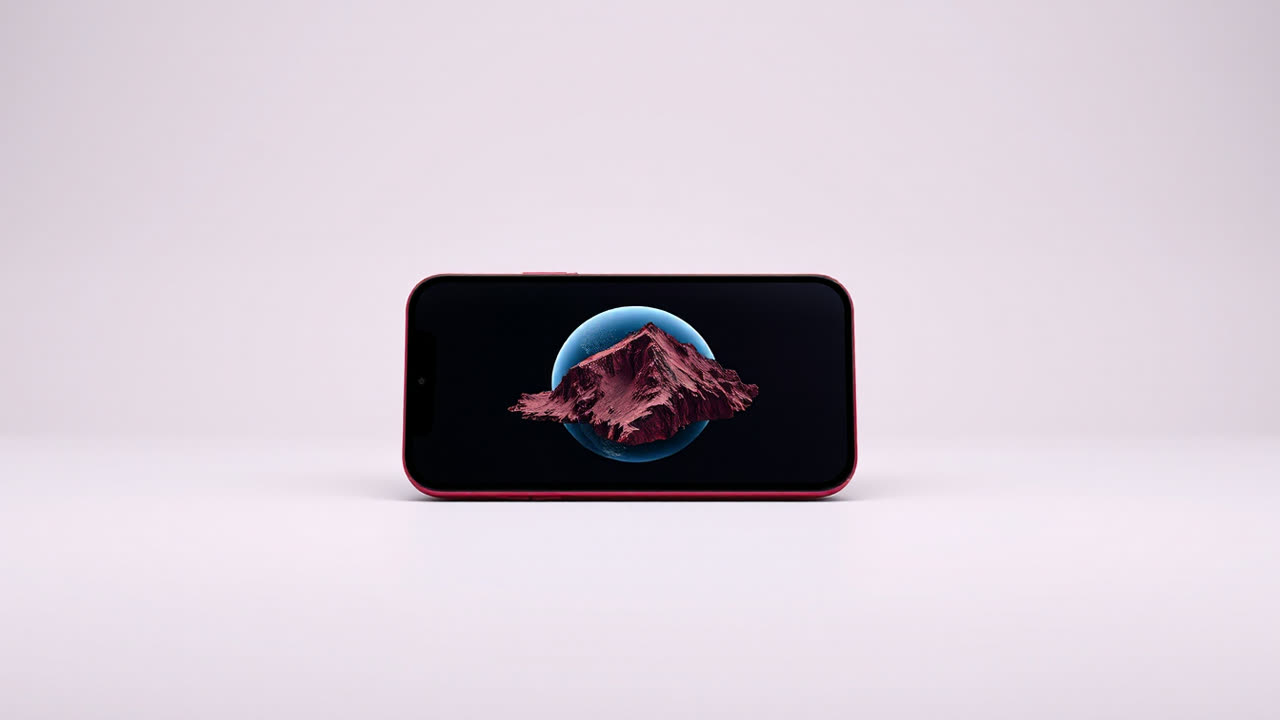
Apple's latest flagship, the iPhone 18 Pro, arrives with a significant leap in silicon, housing the new A20 Pro chip, a refined, smaller Dynamic Island, and a striking burgundy colorway, signaling both a powerful internal upgrade and a continued emphasis on subtle yet impactful design evolution. The A20 Pro chip represents Apple's relentless pursuit of raw computational power, anticipated to deliver a substantial 25-30% performance increase over its A19 predecessor in CPU tasks and an even more dramatic 35-40% boost in graphics rendering, according to early industry benchmarks. This generational leap is not merely for bragging rights; it underpins the device's ability to handle increasingly complex on-device AI operations, enabling real-time language translation, advanced computational photography, and sophisticated augmented reality experiences that were previously confined to cloud processing. The neural engine within the A20 Pro is reportedly twice as powerful, featuring a dedicated architecture optimized for large language models (LLMs) and generative AI, which will likely manifest in smarter Siri interactions, more nuanced photo and video editing capabilities, and a personalized user experience that anticipates needs with unprecedented accuracy.
The strategic importance of the A20 Pro extends far beyond the iPhone. As Apple continues to unify its ecosystem, the advancements in this mobile chip often foreshadow capabilities in future iPad Pro and even entry-level Mac models, driving innovation across its entire product line. For the industry, the A20 Pro raises the bar for mobile silicon, forcing rivals like Qualcomm, with its Snapdragon 8 Gen 5 (or its 2026 equivalent), and MediaTek to accelerate their own development cycles to keep pace. While Android flagships have made considerable strides in recent years, Apple’s integrated hardware and software approach consistently allows it to extract maximum performance from its custom silicon, often leading to better sustained performance and power efficiency than its competitors, even with theoretically similar raw specifications. This technological lead reinforces Apple’s premium market position, justifying its higher price points through unparalleled performance and a seamless user experience.
Equally significant, though visually more subtle, is the reduction in size of the Dynamic Island. First introduced with the iPhone 14 Pro, the Dynamic Island transformed the polarizing notch into an interactive, software-driven notification and activity hub. Its smaller footprint on the iPhone 18 Pro is a testament to Apple's ongoing miniaturization efforts for its TrueDepth camera system and Face ID components. This refinement translates directly into a more immersive viewing experience, offering users more usable screen real estate for content consumption, gaming, and productivity applications. While still not a completely uninterrupted display, the reduced Dynamic Island brings Apple closer to the ideal of an all-screen front, a design goal that many Android manufacturers have pursued aggressively with punch-hole cameras and, more recently, under-display camera technology. The move signals Apple’s methodical approach to display innovation, preferring a perfected, albeit still visible, solution over potentially compromised under-display camera quality seen in some early implementations. This iterative improvement demonstrates Apple’s commitment to its existing design language while steadily pushing towards a truly bezel-less future.
The introduction of a burgundy colorway for the iPhone 18 Pro is more than a mere aesthetic choice; it reflects Apple's nuanced strategy in the high-end smartphone market. Historically, Apple has used exclusive, sophisticated colors for its Pro models to differentiate them and appeal to a premium demographic seeking both cutting-edge technology and refined style. This deep, rich hue aims to evoke a sense of luxury and exclusivity, broadening the appeal beyond traditional black, white, and gold options. It caters to a segment of users who view their smartphone as a fashion statement and a personal accessory, aligning with broader trends in luxury goods. These color introductions often become a key marketing point, driving initial sales and providing a fresh visual identity for the new generation.
Looking ahead, the iPhone 18 Pro sets the stage for several crucial developments. The A20 Pro's AI prowess hints at a future where on-device intelligence becomes the primary driver of new features, reducing reliance on cloud services and improving privacy and responsiveness. We can anticipate deeper integration of generative AI across iOS, from photo and video creation to advanced personal assistants that learn user habits with unprecedented fidelity. The shrinking Dynamic Island suggests that Apple is inching closer to an under-display front camera system, potentially within the next two to three generations, once the technology matures to meet Apple's stringent quality standards for Face ID and image capture. The continued emphasis on performance and design refinement, rather than radical overhauls, underscores Apple's mature product strategy: consistent, impactful upgrades that maintain user loyalty and solidify its leadership in the premium smartphone segment, while simultaneously laying the groundwork for more transformative innovations further down the line.