Apple's iPhone 18 Pro to Debut 'Reference Image' Feature to Combat AI Deepfakes
Apple's upcoming iPhone 18 Pro feature aims to embed verifiable authenticity data directly into photos, offering a crucial defense against AI-generated manipulation and deepfakes.
✨ This content was summarized and interpreted by AI; it may contain errors — please verify accuracy with the original sources. Learn more
Listen to this story
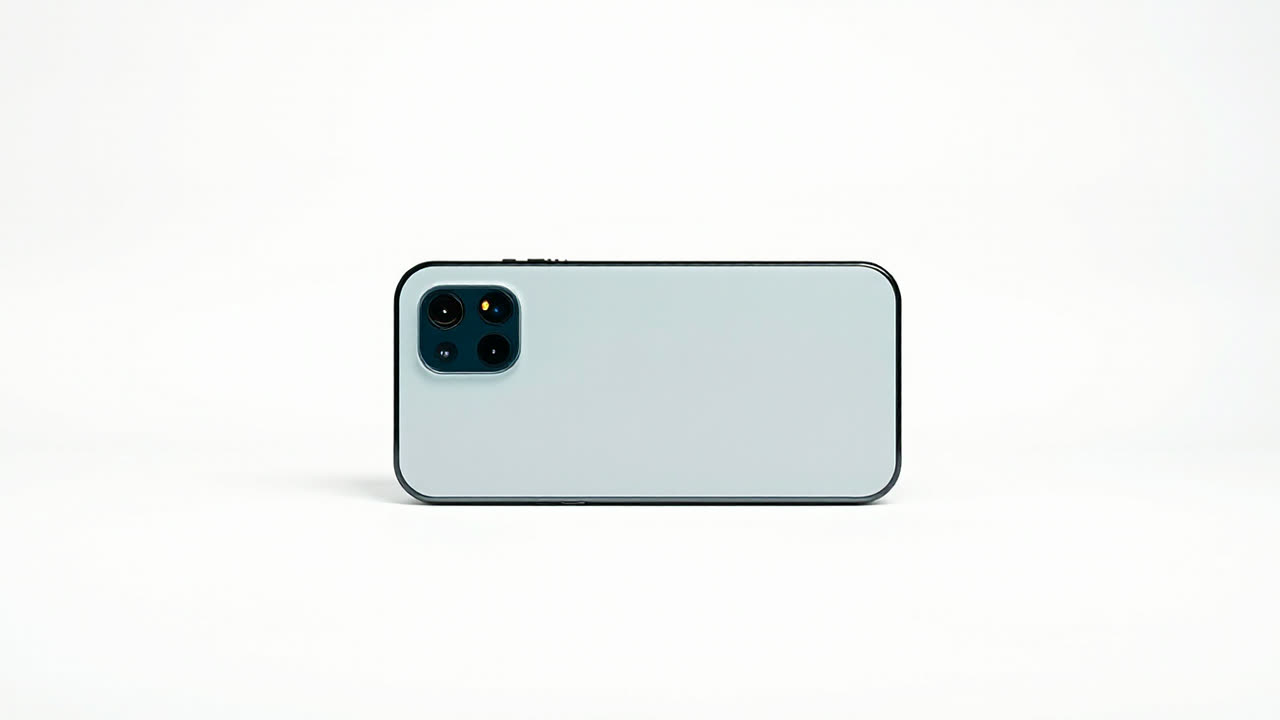
Apple's forthcoming "Reference Image" feature, set to debut with the iPhone 18 Pro lineup later this month, promises a pivotal shift in the ongoing battle against AI-generated and manipulated imagery, leveraging the device's advanced new camera sensor to embed verifiable authenticity data directly into photographs. This innovation, if widely adopted and integrated, could fundamentally redefine trust in digital media, offering a crucial bulwark against the proliferation of deepfakes and synthetic content.
The core mechanism of Reference Image involves the iPhone 18 Pro's new camera sensor capturing and securely embedding a cryptographic hash or a similar immutable identifier of the raw, unadulterated sensor data at the moment of capture. This "reference image" data, distinct from the final processed JPEG or HEIC file, will serve as an unalterable digital fingerprint, allowing third-party verification tools to confirm that a picture originated from a specific iPhone 18 Pro device and has not been subsequently altered by AI or other manipulation techniques. Unlike simple metadata, which can be easily stripped or faked, this embedded data is designed to be deeply intertwined with the image's very origin, providing a robust chain of custody. The feature aims to address the escalating crisis of visual misinformation, where sophisticated AI tools can generate hyper-realistic images that are indistinguishable from genuine photographs, eroding public confidence in visual evidence across news, social media, and legal contexts.
The significance of this development extends far beyond individual users; it represents a proactive measure by a major technology platform to address an existential threat to digital truth. For users, it offers a newfound ability to prove the veracity of their own images, particularly in situations where authenticity is paramount – from citizen journalism documenting events to individuals sharing personal moments without fear of their images being falsely attributed or manipulated. Imagine a scenario where a photo taken at a protest or a crime scene can be instantly verified as original and untampered, lending it irrefutable credibility. This could empower individuals and small organizations to counter false narratives more effectively.
From an industry perspective, Apple's move is a powerful endorsement of the need for robust content authenticity standards. While initiatives like the Content Authenticity Initiative (CAI), co-founded by Adobe, Twitter (now X), and The New York Times, have been working towards open standards for content provenance, Apple's direct integration at the hardware level within a device as ubiquitous as the iPhone could accelerate adoption dramatically. The CAI's C2PA standard, for instance, focuses on attaching tamper-evident metadata to content, detailing its creation and any edits. Apple's Reference Image appears to complement this by establishing an unimpeachable baseline of *originality* at the very point of capture, acting as a foundational layer upon which C2PA-like provenance data can be built. This dual approach – hardware-level attestation combined with industry-standard metadata – could create a formidable defense against digital forgery.
Previous generations of iPhone cameras, while advancing in computational photography, have not offered such a foundational authenticity layer. Their advancements focused on image quality, low-light performance, and computational enhancements like Deep Fusion and Photographic Styles, which inherently involve significant digital processing. The Reference Image feature, by focusing on proving the *unprocessed origin* of an image, marks a conceptual departure, prioritizing verifiable truth over mere aesthetic enhancement. Rivals in the smartphone market, while also making strides in camera technology, have largely focused on AI-driven image enhancements rather than native, hardware-backed authenticity features. Samsung's advanced AI photo editing tools, Google Pixel's Magic Editor, and other computational photography suites, while impressive, often *introduce* potential for manipulation rather than preventing it. This gives Apple a significant first-mover advantage in establishing a trusted baseline for mobile photography.
Looking ahead, the success of Reference Image hinges on several factors. Firstly, widespread adoption by other device manufacturers will be crucial for establishing an industry-wide standard. If Apple remains an isolated player, its impact will be limited. Secondly, the development of accessible and reliable third-party verification tools will be essential. Users need straightforward ways to check an image's authenticity, perhaps integrated directly into social media platforms or news aggregators. Thirdly, the feature must be robust against sophisticated attacks. While cryptographic hashes are difficult to forge, the system's overall security, from sensor to secure enclave, will be under constant scrutiny.
The introduction of Reference Image could also spur a new wave of innovation in secure imaging and content provenance. We might see an emergence of "authenticity-first" cameras, even beyond smartphones, and a greater emphasis on verifiable media across all digital platforms. This could lead to a two-tiered digital content ecosystem: one where content is verifiably authentic, and another where its provenance is questionable, forcing platforms and consumers to make informed choices. Ultimately, Apple’s Reference Image isn't just a new camera mode; it’s a strategic assertion of digital integrity, aiming to restore a measure of trust in a visual world increasingly clouded by synthetic realities. Its impact, if executed and adopted effectively, could be as profound as the advent of digital photography itself.