Apple's iPhone Duo: Redefining the Foldable Smartphone Market
Apple's long-anticipated entry into the foldable smartphone market with the rumored iPhone Duo is poised to redefine premium mobile experiences and inject unprecedented dynamism, strategically validating the form factor and accelerating mainstream adoption, despite initial feedback indicating a desire for a more robust camera array.
✨ This content was summarized and interpreted by AI; it may contain errors — please verify accuracy with the original sources. Learn more
Listen to this story
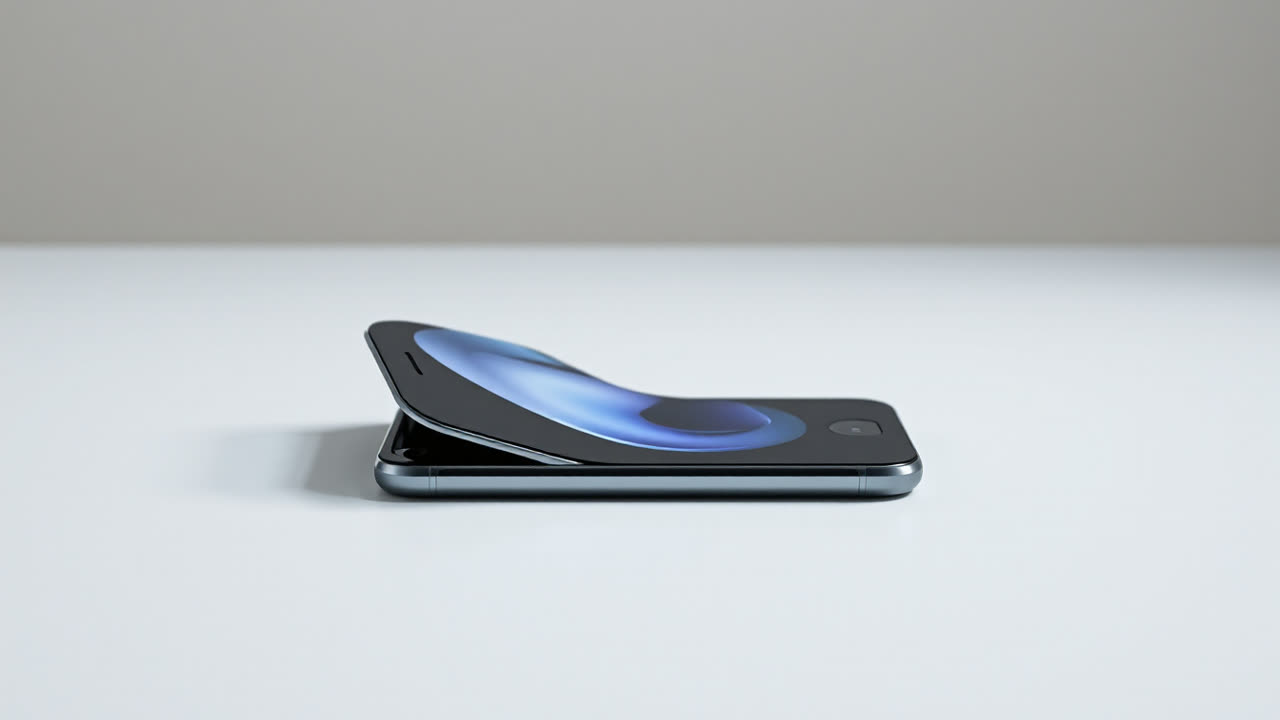
Apple's long-anticipated entry into the foldable smartphone market, reportedly branded as the iPhone Duo, marks a pivotal moment, introducing a device poised to redefine premium mobile experiences and inject unprecedented dynamism into a segment previously dominated by early adopters and Android OEMs. This groundbreaking device, rumored to feature a sophisticated clamshell design, is not merely an incremental update but a fundamental reimagining of the iPhone, promising to finally deliver the form factor innovation Apple enthusiasts have craved for years. Early impressions highlight its exceptional build quality and the seamless integration of hardware and software, a hallmark of Apple's design philosophy, though some initial feedback points to a desire for a more robust camera array, specifically a third lens on the rear, to match the versatility of current Pro models.
The significance of the iPhone Duo extends far beyond its foldable screen; it represents Apple's strategic validation of the foldable form factor, a move expected to dramatically accelerate mainstream adoption and reshape industry benchmarks. For users, the Duo could offer a compelling blend of portability and expanded screen real estate, allowing a pocketable device to unfold into a more immersive canvas for media consumption, productivity, and gaming. Its rumored flexible Super Retina XDR display, protected by an advanced ceramic shield layer, is expected to offer unparalleled durability and visual fidelity, addressing common concerns about foldable screen longevity. The device is anticipated to be powered by the latest A-series Bionic chip, ensuring industry-leading performance and energy efficiency, a critical factor for managing the power demands of a larger, flexible display. Furthermore, the integration of iOS, optimized for the Duo's unique form factor, will likely unlock new multitasking gestures and app layouts, providing a cohesive and intuitive user experience that rivals currently struggle to deliver consistently across their foldable lineups. This deep software-hardware synergy, a core Apple strength, is crucial for the Duo's success in differentiating itself from existing foldable offerings.
Historically, Apple has approached new product categories with deliberate caution, often allowing competitors to innovate and refine initial concepts before entering the market with a polished, consumer-ready solution. This pattern was evident with smartwatches and larger smartphones, and the iPhone Duo appears to follow a similar trajectory, arriving years after Samsung first introduced its Galaxy Fold in 2019. While rivals like Samsung, with its Galaxy Z Fold and Z Flip series, and Google, with the Pixel Fold, have steadily iterated on their foldable designs, Apple has reportedly spent years perfecting its hinge mechanism and display technology to mitigate issues such as screen creases and durability concerns that have plagued earlier foldable generations. The iPhone Duo is expected to feature a virtually invisible crease and a robust water and dust resistance rating, potentially setting a new standard for foldable durability. In comparison to its competitors, the Duo is expected to leverage Apple's superior silicon, its vast ecosystem of apps optimized for new screen configurations, and a potentially more refined industrial design, positioning it as a premium contender rather than merely another option in the foldable space. Pricing is anticipated to be at the higher end of the premium segment, reflecting Apple's brand positioning and the advanced technology embedded within the device.
Looking ahead, the iPhone Duo is poised to be more than a standalone product; it could serve as a foundational platform for future Apple innovations, potentially influencing the design of other devices, including larger foldable iPads or even hybrid computing devices. Analyst projections suggest that if the Duo can capture even a fraction of Apple's loyal user base, it could significantly expand the foldable market, pushing annual shipments beyond 50 million units within the next two to three years. The success of the iPhone Duo will likely spur further investment in flexible display technologies and novel form factors across the industry, driving down component costs and accelerating the pace of innovation. Future iterations of the Duo may address initial feedback, potentially incorporating a periscope zoom lens or more advanced computational photography features to enhance its camera system, aligning it more closely with the photographic capabilities of the Pro Max line. Apple's entry into this nascent market is not just about selling a new phone; it's about shaping the next decade of mobile technology, demonstrating that the future of personal computing can be both powerful and profoundly portable.