Apple's macOS Beta Code Hints at HomePod with Display and 'Faces'
References within macOS beta code suggest a HomePod with a visual interface similar to Apple Watch 'Faces', signaling a major shift in Apple's smart home strategy towards a visually interactive hub.
✨ This content was summarized and interpreted by AI; it may contain errors — please verify accuracy with the original sources. Learn more
Listen to this story
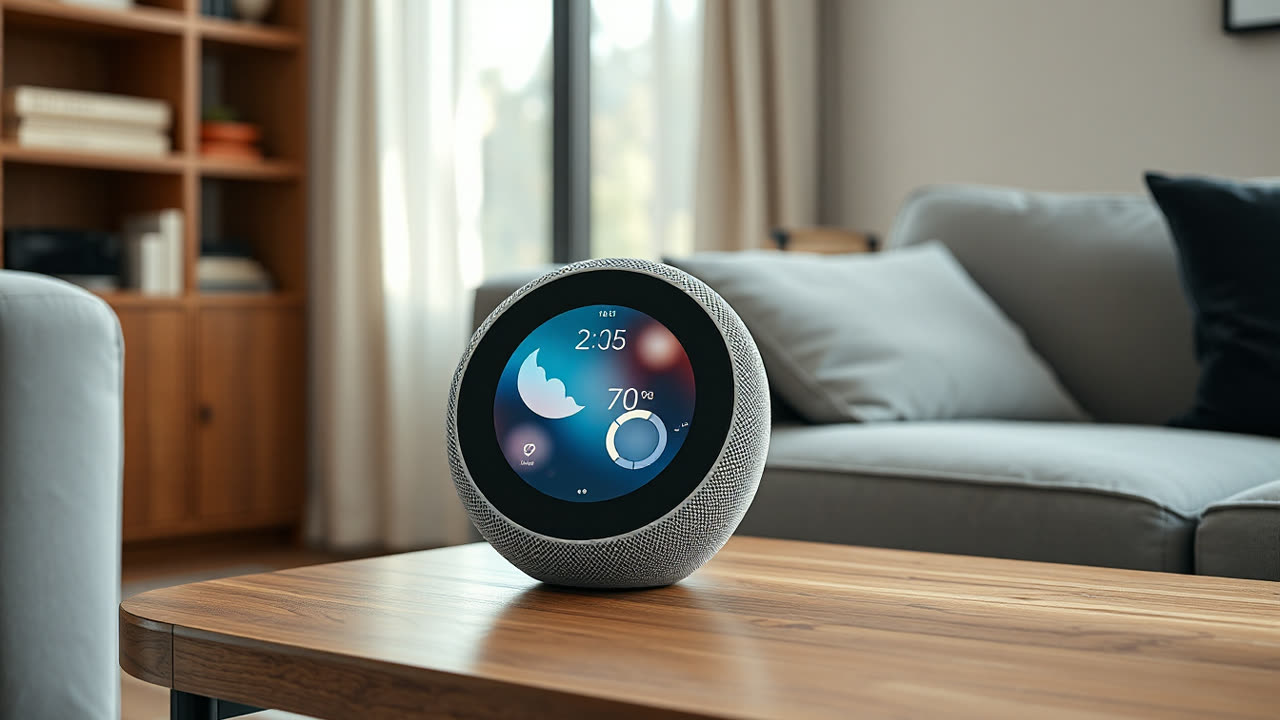
Apple's macOS beta code contains compelling references to watchOS-like "Faces" for a rumored HomePod with a display, signaling a significant evolution for Apple's smart home strategy beyond mere audio and voice interaction. This discovery, initially highlighted by Engadget, suggests a device that transcends the traditional smart speaker, potentially integrating a visual interface akin to an Apple Watch, but scaled for a static home environment. The implications are profound, shifting the HomePod from a predominantly auditory experience to a more interactive, visually rich smart hub, directly challenging established players in the smart display market.
The presence of "Faces" within the code points to customizable display options, allowing users to personalize the visual information presented on the screen, much like watch faces offer glanceable data and aesthetic variety on the Apple Watch. This could include widgets for weather, calendar appointments, music controls, HomeKit device statuses, or even photo slideshows, transforming the HomePod into a dynamic digital canvas rather than just a speaker with an auxiliary screen. Such a design philosophy aligns with Apple's emphasis on personalization and intuitive user interfaces, aiming to make ambient technology feel more integrated and less obtrusive. For users, this means a more versatile HomePod capable of providing quick visual feedback without requiring a connected iPhone or iPad, enhancing convenience for tasks like checking the time, viewing security camera feeds, or managing smart home accessories with a tap rather than a voice command. The ability to visually interact could also improve accessibility for users who prefer or require visual cues over purely auditory ones.
This rumored device marks a pivotal moment for Apple's smart home ambitions, which have historically lagged behind rivals like Amazon and Google in terms of market share and product breadth. Amazon's Echo Show line, first introduced in 2017, and Google's Nest Hub series have long offered integrated displays, enabling video calls, streaming content, visual recipes, and comprehensive smart home dashboards. These devices have carved out a substantial niche by blending audio with visual utility, something the original HomePod and HomePod mini, despite their superior audio fidelity and deep Apple ecosystem integration, could not offer. While the HomePod mini gained Thread support and UWB for precise device finding, its lack of a screen limited its utility in a visually-driven smart home landscape. A HomePod with a display would directly compete with devices like the Echo Show 8 (priced around $149.99) and the Nest Hub Max (around $229), which already provide video calling via Skype or Google Meet, and access to streaming services like Netflix and YouTube. Apple’s entry would likely leverage FaceTime for video calls and integrate deeply with Apple Music, Apple TV+, and HomeKit Secure Video, offering a more cohesive experience for existing Apple users.
Beyond basic functionality, Apple’s meticulous approach to design and privacy could differentiate its offering. Where rivals often push content and ads, Apple’s focus on user privacy and a curated experience might lead to a more streamlined, less intrusive visual interface. The "Faces" concept itself suggests a departure from a general-purpose tablet-like interface towards something more purpose-built for ambient information and control. The company's expertise in chip design could also enable advanced on-device processing for features like secure facial recognition for personalized content delivery or enhanced privacy for video calls, potentially surpassing the capabilities of current smart displays.
Looking ahead, a HomePod with a display could serve as the central visual hub for a HomeKit-powered smart home, consolidating controls and offering at-a-glance information for a wide array of connected devices. This could pave the way for more sophisticated smart home automation scenarios, triggered not just by voice or presence, but by visual cues on the display. Furthermore, it opens the door for Apple to integrate new services or expand existing ones, such as interactive fitness content from Apple Fitness+ or visual guides for Apple Arcade games, transforming the device into a multi-faceted entertainment and utility hub. The challenge for Apple will be to price this new HomePod competitively while maintaining its premium brand image and delivering a user experience that genuinely outperforms established alternatives, justifying its late entry into a crowded market. The success of this rumored device will hinge on its ability to offer a truly unique and indispensable Apple experience that leverages its ecosystem strengths, making the smart home more intuitive, personal, and visually engaging.