Apple's Siri Gets Customizable Voice Pace and Expressivity in iOS 27 Beta
Siri users can now fine-tune the assistant's speaking speed and emotional inflection, marking a significant step towards a more personalized and accessible AI experience.
✨ This content was summarized and interpreted by AI; it may contain errors — please verify accuracy with the original sources. Learn more
Listen to this story
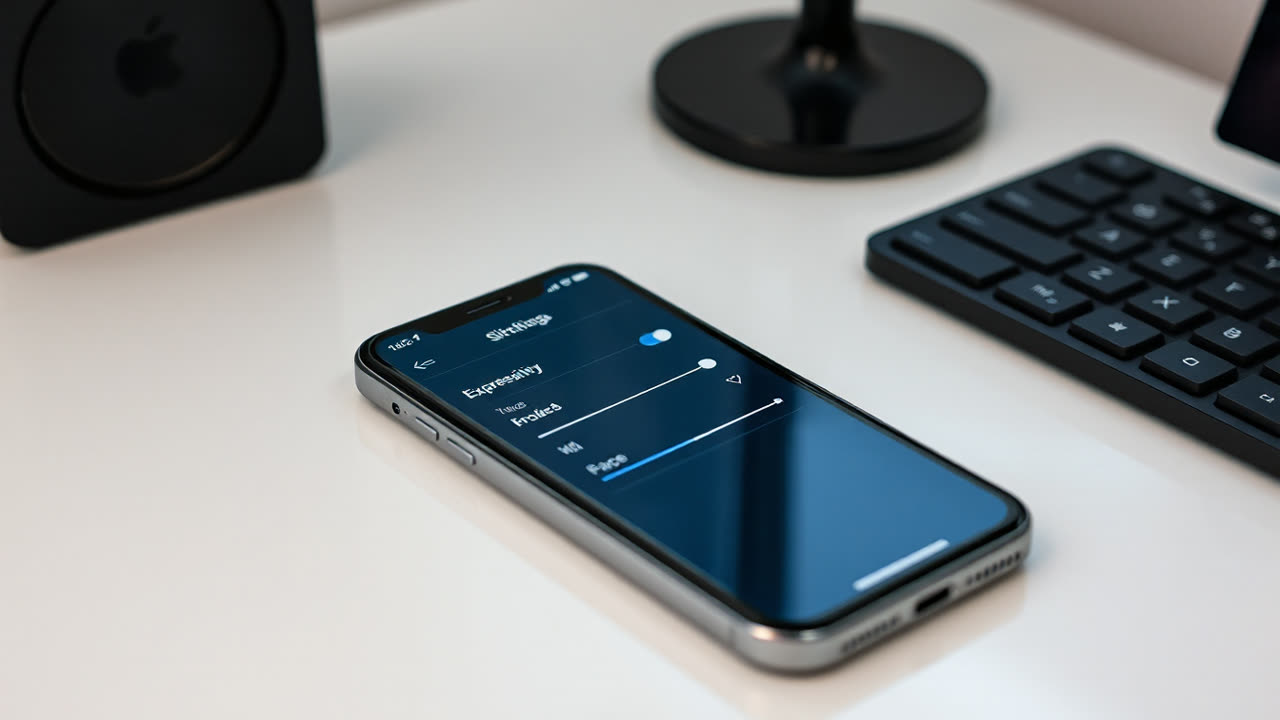
Apple's Siri is undergoing a significant transformation with the introduction of customizable pace and expressivity controls in the latest iOS 27 beta, marking a pivotal shift towards a more personalized and accessible digital assistant experience. Users are now able to fine-tune how quickly Siri speaks and the emotional inflection of its voice, moving beyond generic vocal options to a truly tailored interaction. These new controls, currently rolling out in the developer beta with a public beta expected mid-July, represent a crucial enhancement for accessibility, allowing individuals with diverse needs to adjust Siri's delivery to suit their preferences.
This update is a cornerstone of Apple's broader "Siri AI" initiative within iOS 27, which aims to make the assistant more intelligent, capable, and contextually aware. By integrating advanced on-device models and potentially leveraging technologies like Google's Gemini, Apple is striving to position Siri as a formidable competitor in the rapidly evolving conversational AI landscape. The ability to modify expressivity, in particular, aligns with a major trend in AI voice technology for 2026: dynamic voice identity and emotion-aware responses, which seek to make AI interactions feel more human and less robotic.
While some users in the current beta report the pace and expressivity sliders are still marked "coming soon," indicating ongoing refinement, their presence underscores Apple's commitment to a more adaptable and user-centric AI. This move is not merely about convenience; it's about fostering deeper engagement and ensuring that Siri can genuinely serve a wider audience. As AI voice assistants increasingly become integral to daily life, giving users agency over their digital companions' vocal characteristics will be paramount for adoption and satisfaction, pushing Apple closer to a truly intuitive and personal AI experience.