Apple's 'Surprise and Shine' Event Fuels Foldable iPhone Speculation
Apple's cryptic invitation for its September 9, 2026 event has sparked intense rumors that the long-awaited foldable iPhone may finally be unveiled, potentially reshaping the smartphone market.
✨ This content was summarized and interpreted by AI; it may contain errors — please verify accuracy with the original sources. Learn more
Listen to this story
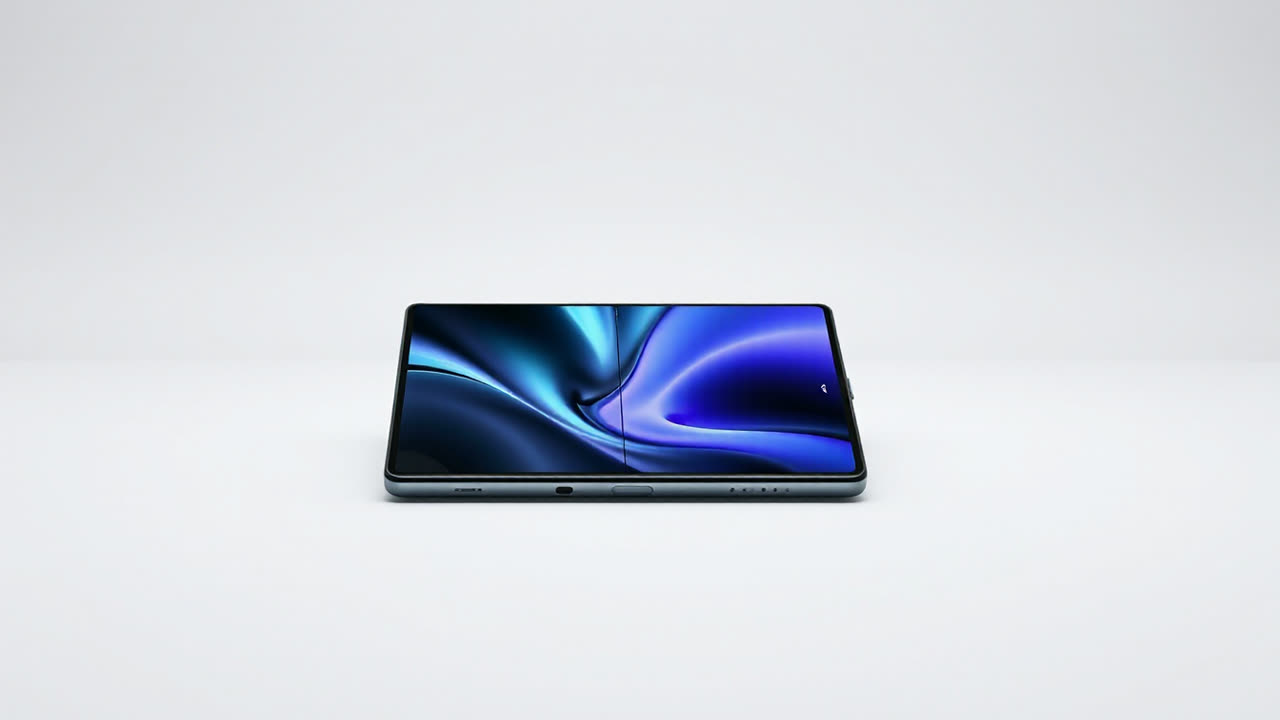
Apple's cryptic "Surprise and shine" event invitation for September 9, 2026, has ignited fervent speculation, most prominently fueling hopes for the long-rumored foldable iPhone. While the event is expected to unveil the next-generation iPhone series, likely the iPhone 18 or 19 lineup, and potentially new Apple Watch models, the suggestive tagline hints at a significant, unexpected product launch that could redefine Apple's hardware strategy and the broader smartphone landscape.
Should Apple indeed unveil a foldable iPhone, the impact would be seismic, instantly legitimizing a form factor that has, until now, remained a niche, albeit growing, segment of the premium smartphone market. For users, a foldable iPhone promises the unparalleled combination of a pocketable device with a tablet-sized display, potentially revolutionizing productivity and media consumption on the go. However, it also introduces concerns around durability, hinge longevity, and the inevitable premium price point, likely exceeding current Pro Max models, which already push past $1,200. The seamless integration of iOS with a dynamic, folding display would be a critical differentiator, requiring significant software optimizations to leverage the unique hardware, from multitasking enhancements to adaptable user interfaces that fluidly transition between folded and unfolded states.
From an industry perspective, Apple's entry would force competitors to accelerate their foldable development and innovation. Companies like Samsung, which have pioneered the category with their Galaxy Z Fold and Z Flip series, and Google, with its Pixel Fold, have invested heavily in perfecting the technology over several generations. Samsung, for instance, is anticipated to release its sixth or seventh generation of foldables by late 2026, boasting improved hinge designs, enhanced display durability, and increasingly refined software experiences. Google’s Pixel Fold, while a later entrant, has focused on a wider aspect ratio for its cover screen, offering a more traditional smartphone experience when closed. Apple’s methodical approach, typically characterized by waiting for technology to mature before delivering a polished, user-centric product, suggests that any foldable iPhone would arrive with a level of refinement and ecosystem integration that could instantly set a new benchmark, potentially overshadowing competitors’ years of iterative improvements.
Apple's extensive portfolio of patents related to foldable displays and hinge mechanisms underscores its long-term interest and development in the technology. These patents detail various folding designs, from clamshell to tablet-like configurations, and solutions for crease reduction and display protection. Historically, Apple has not been the first to market with new technologies, but rather the company that refines and popularizes them, as seen with MP3 players, smartphones, and smartwatches. This cautious strategy suggests that a foldable iPhone would likely address many of the durability and software challenges that early foldable adopters have faced, aiming for a "just works" experience characteristic of Apple products. The "Surprise and shine" tagline itself could be interpreted as Apple's confidence in overcoming these hurdles and presenting a truly polished, groundbreaking device.
Looking ahead, if a foldable iPhone does debut on September 9th, it would not only be the most significant iPhone launch in years but also a pivotal moment for the entire mobile industry. It would likely catalyze a broader shift towards foldable form factors, driving down component costs and accelerating innovation across the supply chain. However, if Apple holds back, the "surprise" could pertain to other significant innovations, perhaps in augmented reality capabilities integrated into the standard iPhone, or a revolutionary leap in battery technology or camera systems. The market's expectation for a foldable iPhone has been building for years, fueled by consistent leaks and Apple's own patent filings. While the September 9th event is guaranteed to bring new iPhones and potentially other hardware, the true "shine" could finally come from a device that literally folds the future into users' hands, fundamentally reshaping how we interact with our most personal technology. The challenges of mass production, supply chain readiness, and the sheer cost of such a device remain formidable, but if any company can navigate these complexities to deliver a truly impactful foldable, it is Apple.