Apple's Trade-In Program Accepts iPhone 7, Redefining Device Longevity
Apple is offering trade-in credit for iPhones as old as the 2016 iPhone 7, signaling a strategic shift towards extended device lifecycles and enhanced sustainability in the tech industry.
✨ This content was summarized and interpreted by AI; it may contain errors — please verify accuracy with the original sources. Learn more
Listen to this story
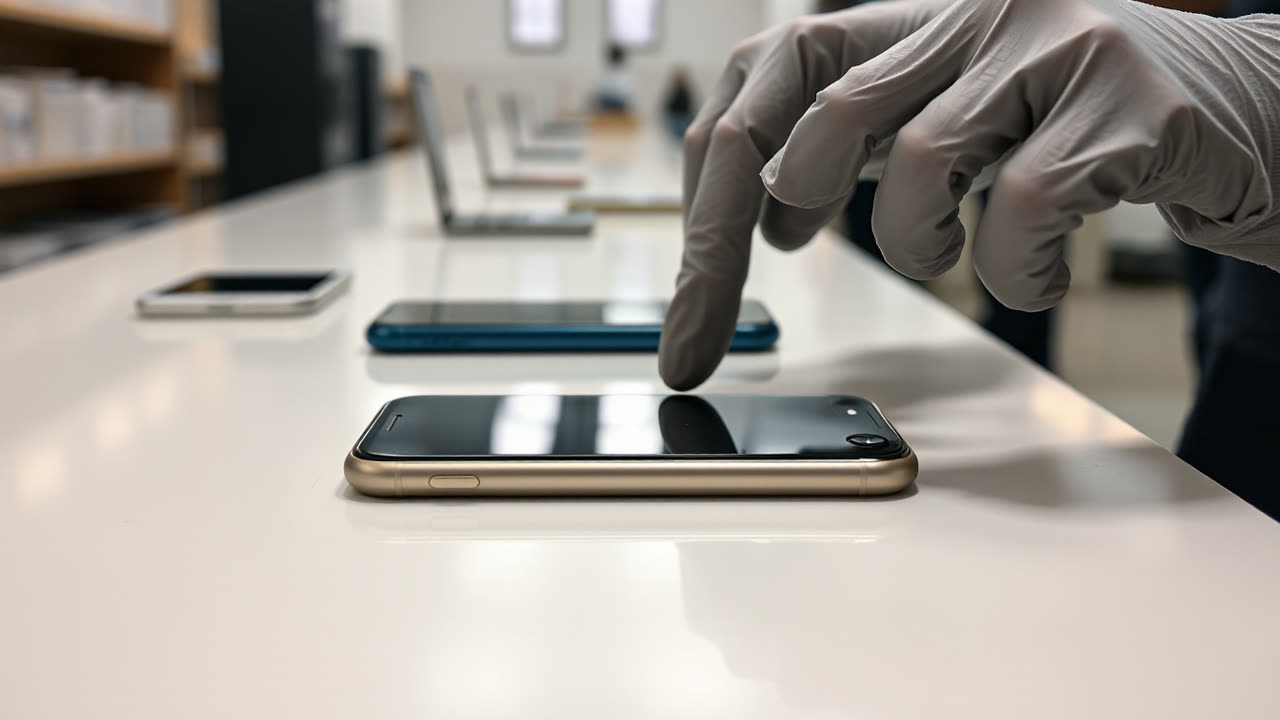
Apple's current trade-in program notably accepts iPhone models as old as the iPhone 7, a device originally released in 2016, offering users unexpected credit towards new purchases even for smartphones nearly a decade old. This extended eligibility underscores a significant, evolving strategy from Cupertino, moving beyond mere device sales to a more comprehensive lifecycle management approach that impacts both consumer behavior and industry sustainability efforts.
The continued acceptance of such venerable hardware, including the iPhone 7, iPhone 7 Plus, iPhone 8, and iPhone 8 Plus, offers users a tangible incentive to upgrade, even if the monetary value for these older models is modest, often ranging from $30 to $100 depending on condition and model. For instance, an iPhone 7 might fetch around $30, while an iPhone 8 Plus could command closer to $80 or $100. This initiative isn't merely about direct trade-in; Apple also facilitates recycling for devices with no trade-in value, ensuring responsible disposal and material recovery. The program streamlines the upgrade path, providing an immediate, albeit small, discount on a new iPhone, or an Apple Store Gift Card, reducing the perceived cost of entry for Apple's latest offerings like the iPhone 15 Pro Max, which starts at $1,199.
This policy matters immensely for several reasons, fundamentally altering the calculus for both consumers and the broader tech industry. For users, it democratizes access to newer technology, making the premium price tag of a new iPhone slightly more palatable by acknowledging the residual value of older devices. It also addresses the growing problem of electronic waste, providing an official, convenient channel for consumers to dispose of their old phones responsibly, rather than hoarding them in drawers or contributing to landfills. From Apple's perspective, this extends their ecosystem's reach, encouraging brand loyalty and maintaining a consistent upgrade cycle. By offering a clear path to upgrade, Apple reduces friction for existing users contemplating a switch to a competitor, solidifying its market share. Moreover, the raw materials recovered from these traded-in devices, such as rare earth elements and precious metals, feed directly into Apple's ambitious closed-loop supply chain goals, contributing to their stated aim of becoming carbon neutral across their entire value chain by 2030. This commitment is not just environmental; it's also a shrewd business move, mitigating future supply chain risks and appealing to an increasingly eco-conscious consumer base.
Comparing Apple's approach to its rivals reveals a competitive landscape where device longevity and trade-in value are becoming key differentiators. While Samsung and Google also offer trade-in programs, Apple's consistent, long-term support for older models, both in terms of software updates and trade-in eligibility, often stands out. For example, Samsung's trade-in program for its Galaxy devices typically focuses on more recent generations, though it does accept older models, the value often depreciates more rapidly than Apple's. Google's Pixel trade-in program similarly offers credit for older Pixel phones and even iPhones, but the emphasis on older, less valuable devices isn't as pronounced as Apple's. Historically, Apple's trade-in program has evolved from a more selective offering to its current expansive model, driven by both competitive pressures and its own sustainability mandates. The company has invested heavily in recycling technologies, like its disassembly robots Daisy and Dave, capable of recovering materials from millions of iPhones annually, demonstrating a tangible commitment beyond mere marketing.
Looking ahead, Apple's commitment to long-term device value and circularity is likely to deepen. We can anticipate even more sophisticated trade-in and recycling initiatives, potentially including enhanced incentives for trading in devices that might otherwise be considered e-waste, and perhaps even more granular valuation based on component reusability. The industry as a whole may follow suit, with competitors pressured to match Apple's longevity and sustainability efforts to retain customers and meet evolving regulatory and consumer demands for environmentally responsible product lifecycles. This trend suggests a future where the initial purchase price of a smartphone is increasingly viewed as part of a longer, more sustainable ownership model, with trade-in programs playing a crucial role in reducing both financial and environmental costs over time. Apple's strategy is not just about selling new iPhones; it's about owning the entire lifecycle, from manufacturing to eventual recycling, cementing its brand as a leader not just in innovation, but also in enduring value and environmental stewardship.