Apple to Bring Seamless iPhone-to-Windows Copy-Paste to EU Users by 2028 Due to DMA
Apple is developing a seamless cross-device copy-paste feature between iPhones and Windows PCs for users in the European Union, a direct consequence of Microsoft's interoperability request under the Digital Markets Act (DMA), marking a historic regulatory victory that challenges tech giants' walled garden strategies and will significantly streamline digital workflows for millions of users.
✨ This content was summarized and interpreted by AI; it may contain errors — please verify accuracy with the original sources. Learn more
Listen to this story
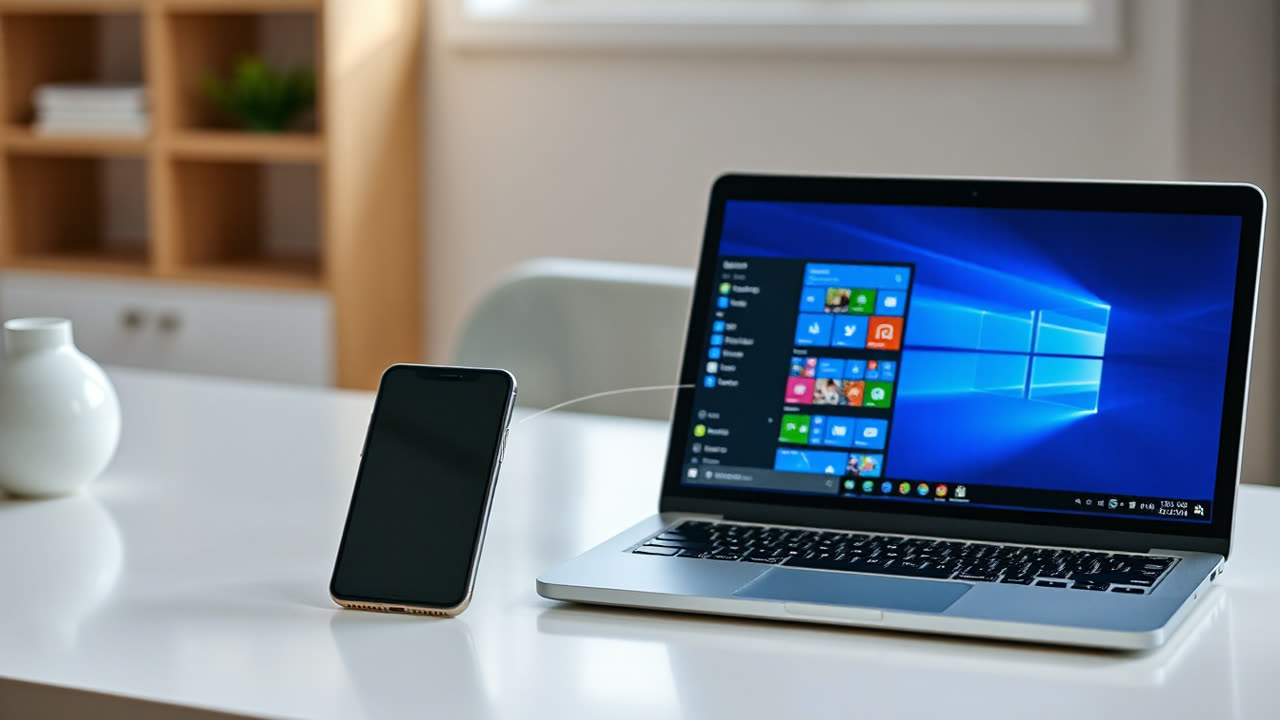
Apple is developing a new feature enabling seamless cross-device copy-paste functionality between iPhones and Windows PCs for users within the European Union, a direct consequence of Microsoft's interoperability request under the Digital Markets Act (DMA). This significant shift, slated for completion by fall 2027 with a public release potentially in early 2028, promises to dissolve a long-standing barrier between the two dominant computing ecosystems.
The core functionality will allow users to copy text, images, and other supported content on their iPhone and instantly paste it onto a paired Windows PC, and vice versa. This integration aims to be a "lightweight, continuous capability" rather than the current manual, app-driven operations that often require foregrounding an app or repeated explicit actions for each transfer. Apple's proposed technical solution leverages its AccessorySetupKit framework, which will necessitate a one-time user consent for each Windows PC paired, akin to how third-party wearable devices receive notifications from iPhones under iOS 26.5 in the EU. This development stems from Microsoft's formal DMA request (ID: FB22329535), submitted on March 25, 2026, and approved by Apple on June 26, 2026, specifically highlighting the lack of a "continuous, system-level experience" comparable to Apple's own Universal Clipboard.
This move carries profound implications for users and the broader tech industry. For the millions of users who navigate both Apple's iOS and Microsoft's Windows daily, this feature represents a substantial leap in productivity and convenience. It eliminates the clunky workarounds—like emailing snippets or relying on less robust third-party applications—that have historically fragmented their digital workflows. The ability to seamlessly transfer information will streamline tasks, reduce friction, and enhance the overall user experience, particularly for professionals and students operating in mixed-device environments.
From an industry perspective, this is a landmark victory for the European Union's DMA, unequivocally demonstrating its power to enforce interoperability and challenge the "walled garden" strategies of tech giants. Apple, long criticized for its tightly controlled ecosystem, is now compelled to open a fundamental aspect of its mobile operating system. While this may be viewed as a concession, it could also strategically benefit Apple by making the iPhone a more attractive option for Windows users previously deterred by ecosystem lock-in, potentially expanding its market reach within the EU. The acknowledgment by Apple that this is a "significant engineering effort" underscores the depth of the integration required and the company's historical reluctance to provide such access. Microsoft, on the other hand, secures a crucial win, enhancing the appeal and functionality of its Windows platform by improving its synergy with the world's most popular smartphone. Third-party developers who previously offered rudimentary cross-platform clipboard solutions may find their niche diminished, though the new AccessorySetupKit framework could also pave the way for other innovative, officially sanctioned cross-platform integrations.
In comparison to existing solutions, Apple's internal Universal Clipboard already provides a near-magical experience for copying content between iPhones, iPads, and Macs, requiring only that devices are near each other, on the same Wi-Fi network, and have Bluetooth and Handoff enabled. This new iPhone-to-Windows feature aims to replicate that seamlessness on a competing platform. Microsoft's own Phone Link application already offers cross-device copy-paste for select Android devices (including Samsung, Surface Duo, Honor, Oppo, Asus, Vivo, and Xiaomi phones) to Windows PCs. However, even Phone Link has had its quirks, such as sometimes copying website titles instead of URLs, and it relies on specific Android device compatibility. Apple's new solution for Windows is expected to be a more deeply integrated, system-level implementation, offering a direct parallel to its internal ecosystem functionality, a level of integration previously unavailable to third-party iOS apps due to Apple's strict clipboard access policies.
Looking ahead, this development sets a powerful precedent for future interoperability demands under the DMA. The European Commission has already initiated "specification proceedings" to define Apple's obligations regarding other iOS connectivity features, such as notifications and device pairing. While the iPhone-to-Windows copy-paste is currently designated for the EU market, there remains a strong possibility of a global rollout. Apple has previously extended DMA-driven changes, such as enabling emulation, worldwide, suggesting that the engineering investment might lead to a unified global offering, especially if other regulatory bodies follow the EU's lead. Apple's long-standing arguments about security and privacy, often cited as reasons for its closed ecosystem, have been challenged by the EU General Court, which affirmed that DMA interoperability requirements do not inherently necessitate a compromise in security standards. The mandated one-time user consent for clipboard sharing in the new solution demonstrates a pragmatic approach to balancing convenience with user control. This represents a foundational shift in Apple's ecosystem strategy, moving towards a more open, albeit regulated, paradigm that acknowledges the multi-platform reality of modern technology users and could foster a new wave of cross-platform innovation.