Apple Unveils iPhone Duo Foldable, iPhone 18 Pro, and Enhanced AirPods ANC
Apple has officially entered the foldable smartphone market with the iPhone Duo, simultaneously launching the iPhone 18 Pro and Pro Max alongside significant Active Noise Cancellation upgrades across its AirPods lineup.
✨ This content was summarized and interpreted by AI; it may contain errors — please verify accuracy with the original sources. Learn more
Listen to this story
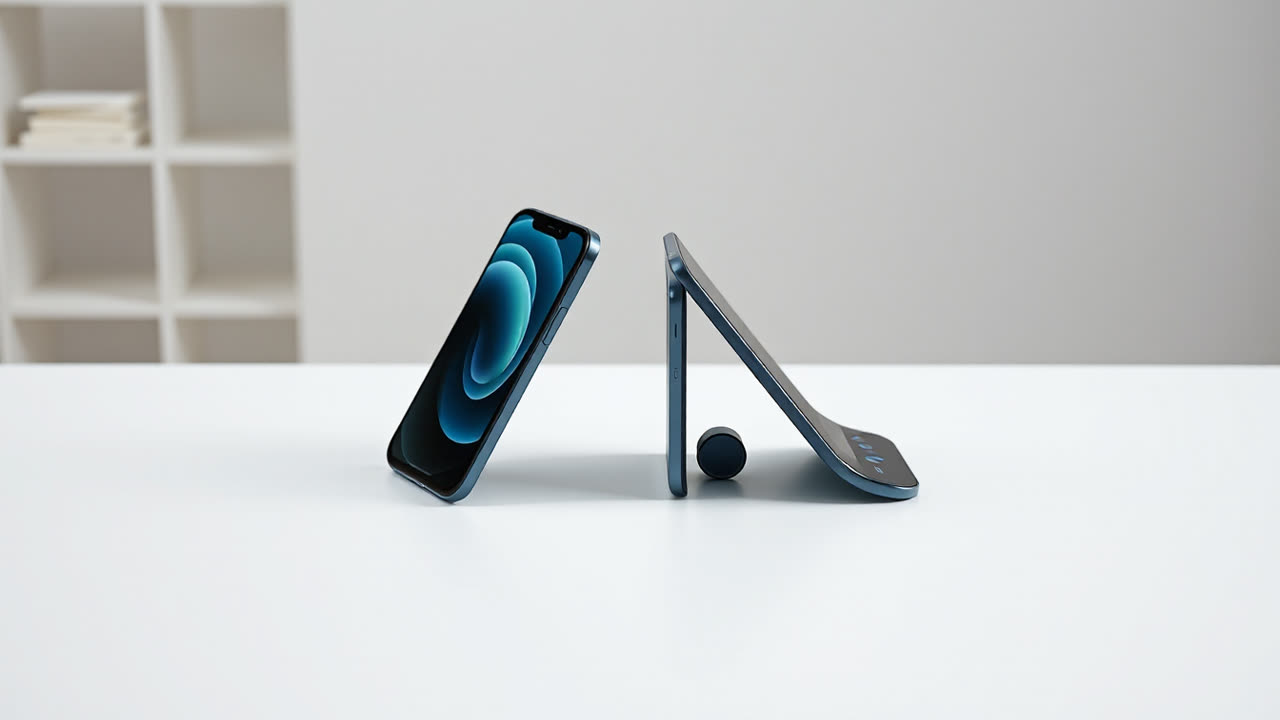
Apple’s long-anticipated foray into the foldable smartphone market materialized with the unveiling of the iPhone Duo, a groundbreaking device launched alongside the refined iPhone 18 Pro and Pro Max, signaling a dual-pronged strategy to innovate and consolidate its premium smartphone dominance. This landmark event also brought significant enhancements to Apple’s audio ecosystem, particularly with advanced Active Noise Cancellation (ANC) capabilities across its AirPods lineup. The debut of the iPhone Duo positions Apple as a formidable contender in a segment previously dominated by Samsung and, more recently, Google, promising to inject renewed competition and potentially accelerate mainstream adoption of flexible display technology.
The iPhone Duo's introduction is a pivotal moment, not merely for Apple, but for the entire mobile industry. For years, Apple remained on the sidelines, observing the initial iterations and inherent challenges faced by early foldable pioneers. Its calculated entry suggests a maturity in the technology, likely addressing durability concerns and optimizing the user experience—two critical areas where earlier foldables often faltered. Current market data indicates that while foldables represent a growing segment, they still constitute a niche within the broader smartphone market, with Samsung holding a commanding lead, capturing over 60% of the foldable market share in 2023. Apple’s entry could dramatically shift this landscape, legitimizing the form factor for a wider consumer base and forcing rivals to innovate further or risk losing ground. The "Apple effect" often transforms niche technologies into mainstream staples, and the iPhone Duo is poised to do just that, potentially driving down component costs and inspiring a new wave of software optimizations tailored for flexible screens.
Concurrently, the iPhone 18 Pro and Pro Max represent the continued evolution of Apple’s traditional flagship line, building upon generations of iterative refinements. While specific advancements remain under wraps, historical trends suggest significant leaps in processing power with the latest A-series chip, camera technology, and display fidelity. The iPhone 17, for instance, introduced advanced computational photography features and enhanced battery efficiency, setting a high bar for its successor. The iPhone 18 Pro models are expected to push boundaries in low-light photography, video capabilities, and potentially incorporate further advancements in display refresh rates and efficiency, crucial for competing with high-end Android flagships like Samsung’s Galaxy S Ultra series and Google’s Pixel Pro, which consistently push the envelope in hardware specifications and AI-driven features. Apple's strategy here is clear: offer a cutting-edge, refined experience for users who prefer the traditional form factor, while simultaneously venturing into new territory with the Duo.
In the audio realm, the expanded and enhanced Active Noise Cancellation capabilities across the AirPods line are a welcome upgrade, solidifying Apple’s leadership in the wireless earbud market. While AirPods Pro and AirPods Max already offered industry-leading ANC, further improvements indicate a focus on creating an even more immersive and distraction-free listening experience. This move directly challenges competitors such as Bose and Sony, renowned for their superior noise-canceling headphones, by bringing premium ANC to a broader range of Apple’s popular earbuds. The impact on users is profound, offering unparalleled clarity for calls, richer audio playback, and a more serene personal space in noisy environments, whether commuting or working remotely.
Crucially, amid these transformative announcements, the conspicuous absence of cameras integrated into AirPods stands out as a strategic decision, and one that many privacy advocates hope remains a permanent fixture. The concept of wearable cameras, particularly in discreet form factors like earbuds, raises significant ethical and privacy concerns. Public perception surrounding ubiquitous surveillance and data collection has grown increasingly wary, with many finding the idea of passively recording environments without explicit consent deeply unsettling. Apple has consistently positioned itself as a champion of user privacy, often highlighting its robust data protection policies and features as a core differentiator. Introducing cameras into AirPods would directly contradict this carefully cultivated image, potentially eroding user trust and inviting regulatory scrutiny. By choosing to prioritize audio functionality and user privacy over speculative camera integration, Apple reinforces its commitment to responsible innovation, ensuring that personal technology enhances, rather than intrudes upon, daily life. This decision underscores a fundamental understanding of consumer sentiment regarding privacy in an increasingly connected world.
Looking ahead, Apple's dual-pronged product strategy—embracing the nascent foldable market while relentlessly refining its flagship offerings—positions the company for sustained growth and influence. The iPhone Duo will undoubtedly catalyze innovation across the foldable ecosystem, from display technologies to software development, while the iPhone 18 Pro and Pro Max will continue to set benchmarks for traditional smartphones. The enhanced ANC in AirPods further cements Apple’s audio dominance. The combined effect of these launches will reshape consumer expectations, intensifying competition across various segments of the tech industry and solidifying Apple’s ecosystem as a central pillar of modern digital life.