Apple Unveils iPhone Duo, Its First Foldable Smartphone
Apple’s long-anticipated entry into the foldable smartphone market has arrived with the debut of the iPhone Duo, marking the most significant physical evolution of the company’s flagship device in years.
✨ This content was summarized and interpreted by AI; it may contain errors — please verify accuracy with the original sources. Learn more
Listen to this story
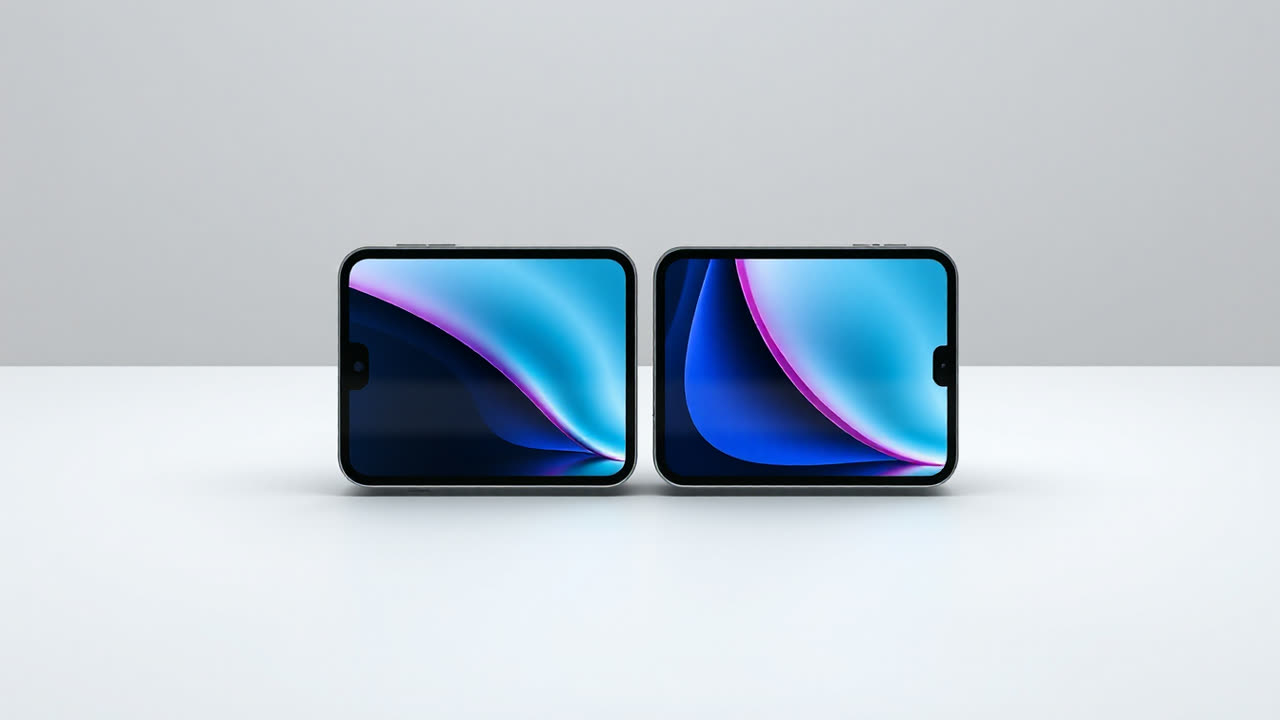
Apple’s long-anticipated entry into the foldable smartphone market has arrived with the debut of the iPhone Duo, marking the most significant physical evolution of the company’s flagship device in years. Priced starting at a premium $1,799, the iPhone Duo folds horizontally to reveal an expansive 8.3-inch ProMotion XDR display, complemented by a 6.1-inch Super Retina XDR cover screen that offers full iPhone functionality when closed. The device, powered by the new A20 Bionic chip, features a titanium chassis, an entirely re-engineered "Flex-Hinge" mechanism designed for extreme durability, and a ceramic shield outer display, representing Apple’s answer to years of speculation and competitor launches.
The introduction of the iPhone Duo is a pivotal moment, not just for Apple, but for the entire smartphone industry, which has seen innovation plateau in recent years. For users, the Duo promises a genuinely transformative experience, bridging the gap between a pocketable smartphone and a mini-tablet. The larger internal display, with its adaptive refresh rate up to 120Hz, offers unparalleled screen real estate for productivity tasks, media consumption, and gaming, potentially reducing the need for separate iPad Mini devices. Apple’s meticulous software optimization, including enhanced Split View and Stage Manager features tailored for the folding interface, ensures seamless app transitions and intuitive multitasking, a critical differentiator from early foldable implementations that often felt clunky. Furthermore, the Duo's advanced camera system, boasting a new 50MP main sensor and improved computational photography, leverages the folding design for unique shooting angles and hands-free video calls, opening new creative possibilities for consumers.
This launch carries immense weight for Apple’s strategic positioning and future revenue streams. The foldable segment, though still a niche, has shown consistent growth, with shipments projected to reach 100 million units by 2027, up from 13 million in 2022. While Samsung has dominated this nascent market, holding a commanding 60% share as of early 2023, Apple’s entry immediately validates the form factor and is expected to ignite mainstream adoption. The iPhone Duo directly challenges established rivals like Samsung’s Galaxy Z Fold series and Google’s Pixel Fold, both of which have iterated on the book-style design for several generations. The Galaxy Z Fold 5, for instance, features a 7.6-inch main display and a 6.2-inch cover screen, powered by the Snapdragon 8 Gen 2 for Galaxy chip. Google’s Pixel Fold, released in mid-2023, similarly offers a 7.6-inch internal display and prioritizes Google’s AI capabilities. Apple’s typical strategy of entering a mature market with a highly polished, albeit premium-priced, product is evident here. The Duo’s A20 Bionic chip is expected to set new benchmarks for performance and power efficiency, likely surpassing the processing capabilities of current Android flagships. Moreover, Apple’s renowned ecosystem integration, from accessories to services, provides a compelling stickiness that rivals struggle to match.
However, the iPhone Duo faces significant hurdles, primarily concerning durability and price. Despite Apple’s claims of a robust "Flex-Hinge" and strengthened displays, the inherent fragility of flexible screens and the visible crease remain common concerns for consumers, as evidenced by user feedback on competitor devices. Early foldable adopters have reported issues ranging from screen protector bubbling to hinge malfunctions over time. Apple’s premium pricing also places it firmly in the luxury segment, potentially limiting its market penetration compared to standard iPhones. While the $1,799 starting price is competitive with top-tier foldables, it remains a considerable investment for most consumers.
Looking ahead, the iPhone Duo’s success or struggle will dictate the pace of foldable innovation across the industry. Should it resonate with consumers, expect a rapid acceleration in software development for foldable interfaces, increased investment in flexible display technology, and a renewed focus on hinge durability. Apple’s entry will likely pressure competitors to further refine their designs, enhance their software experiences, and potentially reconsider pricing strategies to remain competitive. Future iterations of the iPhone Duo could see improvements in display crease reduction, integrated stylus support (potentially with a new Apple Pencil Nano), and even more compact designs. The long-term vision could involve a complete convergence of iPhone and iPad lines, with foldables becoming the default premium mobile computing device. The iPhone Duo isn't just a new phone; it's Apple’s bold statement on the future of personal technology, and its impact will ripple through the tech world for years to come.