Apple Unveils iPhone Duo, Shaking Up the Foldable Smartphone Market
Apple's long-anticipated entry into the foldable smartphone market with the iPhone Duo on September 9, 2026, marks a pivotal moment for a category previously dominated by Android manufacturers, instantly elevating its profile and intensifying competition.
✨ This content was summarized and interpreted by AI; it may contain errors — please verify accuracy with the original sources. Learn more
Listen to this story
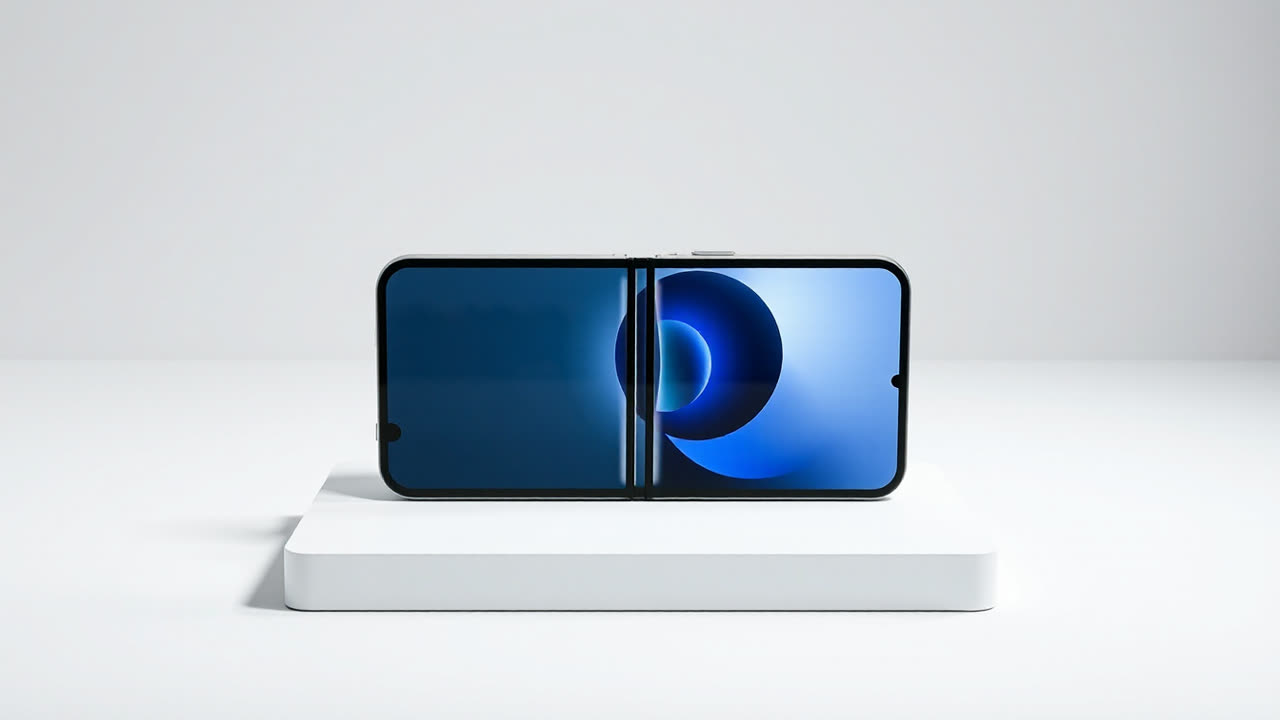
Apple's entry into the foldable smartphone market with the iPhone Duo, unveiled on September 9, 2026, marks a pivotal moment for a category previously dominated by Android manufacturers. While the Duo's hardware specifications may not appear revolutionary compared to existing devices like the Samsung Galaxy Z Fold 8 or Huawei's Pura X Max, its true distinction lies in the deep software integration and polished user experience Apple is renowned for delivering. This strategic play, prioritizing seamless functionality over groundbreaking componentry, is a familiar tactic for Apple, often employed when entering mature product segments.
The core news revolves around Apple finally embracing the foldable form factor, a move long anticipated given the company's extensive patent portfolio dating back to 2011, covering flexible displays, hinge mechanisms, and even self-healing screen technology. The iPhone Duo, a book-style foldable, features a 7.6-inch Super Retina XDR inner display and a 5.4-inch outer display, both maintaining an identical 4:3 aspect ratio to ensure content consistency. Powering this device is the Apple A20 Pro chip, paired with 12GB of RAM and storage options up to 2TB, running on iOS 27.1. Its camera system includes a 48 MP Fusion Main camera, a 48 MP Fusion Ultra Wide, and 2x optical-quality telephoto lenses. While these specs are competitive, they don't drastically outpace rivals like the Galaxy Z Fold 8, which boasts a 2,600 nits peak brightness on its AMOLED screens and S Pen support, or the Google Pixel Fold with its superior camera system. However, Apple's focus on a "crease-free screen solution" and active stress management, as hinted in its patents, aims to address a persistent pain point in current foldables.
This entry matters immensely because Apple's participation instantly elevates the entire foldable market, which currently accounts for only about 2% of the overall smartphone segment. Counterpoint Research forecasts Apple could ship up to 6 million foldable iPhones in 2026, capturing a significant 25% global market share and positioning it as the second-largest player behind Samsung (38%) and ahead of Huawei (22%). IDC offers an even more aggressive prediction, suggesting Apple could capture over 30% of the global foldable market by next year, potentially becoming the biggest brand. This influx of a premium user base and Apple's robust ecosystem is expected to increase consumer awareness and confidence in foldables, driving overall market growth and encouraging more iPhone users to consider the new form factor. Analysts from IDC and Counterpoint Research predict that Apple's entry will push global foldable sales up by 13% to 30% in 2026, with the market projected to grow 37% year-over-year in 2027. Cumulative global foldable smartphone shipments are expected to surpass 100 million units by the end of 2026, an eight-year milestone since the first commercial foldable in 2019.
Compared to its rivals, Apple's approach emphasizes software polish. Android foldables, despite years of iteration, still grapple with inconsistent app optimization, challenging developers to ensure seamless transitions between folded and unfolded states, adaptive UI design for varying aspect ratios, and efficient multi-window management. Samsung, with its Galaxy Z Fold series, has made strides in multitasking and S Pen integration, while Google's Pixel Fold offers a cleaner Android experience. However, Apple's tight control over both hardware and software, a hallmark of its product strategy, positions the iPhone Duo to potentially offer an unparalleled level of fluidity and app compatibility from day one. Apple's Auto Layout system and developer tools are expected to facilitate smoother app adaptation, mitigating distortion and optimizing content across dynamic display configurations. Furthermore, Apple's patents suggest innovations like active screen stress management and internal heating elements to reduce display creases and enhance durability, addressing critical user concerns that Android foldables have incrementally improved upon.
Looking ahead, the iPhone Duo's launch at an estimated price of around $2,500 places it firmly in the ultra-premium segment, a strategy that could see the average selling price of foldables rise by 18% in 2026. This move will intensify competition, particularly at the high end, forcing Android manufacturers to further innovate on hardware, software, and pricing to retain market share. The expectation is that Apple's robust ecosystem and brand loyalty will drive significant adoption, with Counterpoint projecting Apple's share to reach 40% by 2027, potentially exceeding Samsung's current 38%. This growth is also fueled by a broader industry shift towards wider, book-type foldable designs, a form factor the Duo is adopting, suggesting a maturing market where productivity and enhanced content consumption are key drivers. While initial supply constraints for the iPhone Duo are anticipated, its impact on the foldable market's trajectory is undeniable, signaling a new era where software refinement and ecosystem integration will be as critical as the bendable screen itself. The "Surprise and Shine" event tagline proved apt, as Apple's long-awaited foldable entry promises to redefine expectations for the entire category.