Apple Watch Battery Replacement Costs Spark Debate on Device Longevity and Repairability
Out-of-warranty Apple Watch battery replacements, priced between $79 and $99, significantly challenge the perceived longevity and upgrade cycle of Apple's popular wearable, forcing users to weigh repair costs against new device value.
✨ This content was summarized and interpreted by AI; it may contain errors — please verify accuracy with the original sources. Learn more
Listen to this story
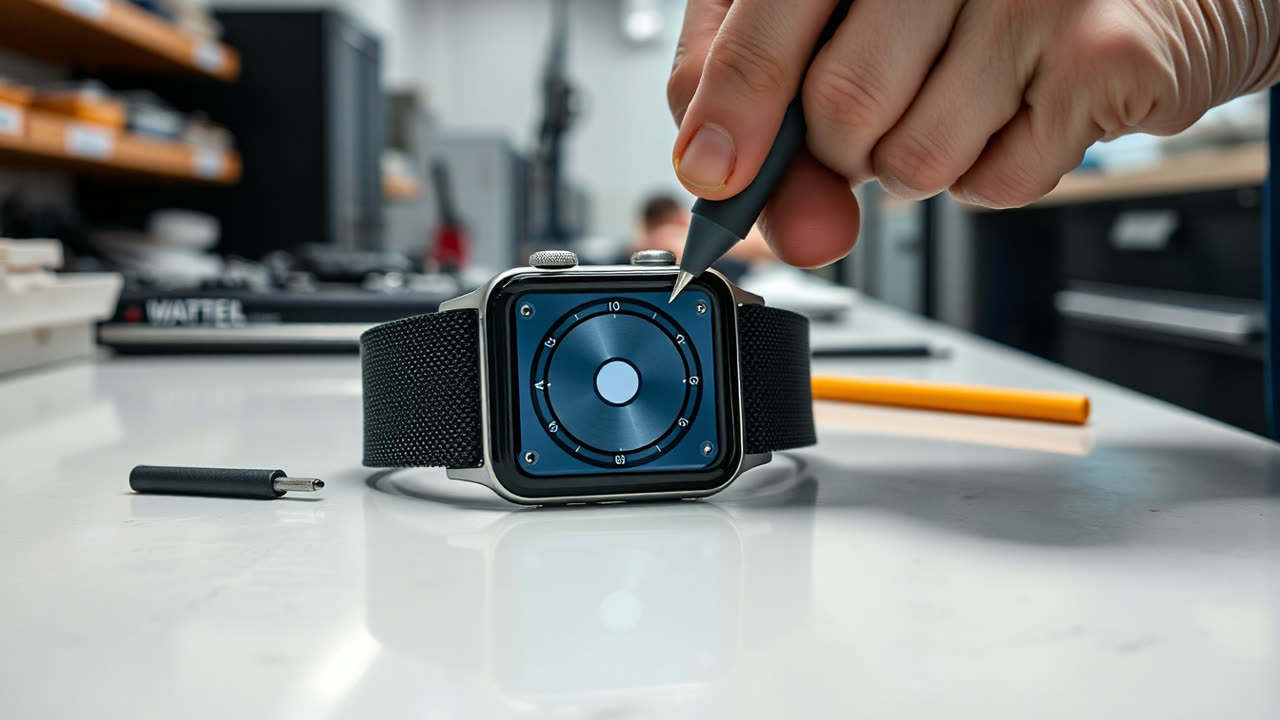
An out-of-warranty battery replacement for an Apple Watch can cost users between $79 and $99, depending on the model, a significant expenditure that directly challenges the perceived longevity and upgrade cycle of Apple's popular wearable. This pricing structure, established by Apple, forces owners to weigh the cost against the value of their aging device, particularly as newer generations introduce incremental but compelling features. The process typically involves sending the watch to an Apple repair center, which can take several business days, leaving users without their device for a period.
The core issue isn't merely the cost of a new battery, but the broader implications for device sustainability, consumer choice, and the industry's push towards circularity. For many users, a diminished battery life, often falling below 80% of its original capacity, directly impacts the utility of their Apple Watch, transforming a once-reliable daily companion into a source of frustration. This degradation often occurs within two to three years of active use, aligning closely with typical upgrade cycles. Apple's policy states that a battery is eligible for free replacement under AppleCare+ if it retains less than 80% of its original capacity, offering a safety net for those who opt into the extended warranty program. However, for the majority of users who do not purchase AppleCare+, the out-of-warranty cost becomes a critical decision point.
From an industry perspective, Apple's battery replacement strategy is a double-edged sword. On one hand, offering official battery replacement services, even at a cost, promotes device longevity and aligns with growing environmental sustainability goals. Extending the life of an existing device through repair rather than immediate replacement reduces electronic waste and the carbon footprint associated with manufacturing new products. This is particularly relevant as global e-waste volumes continue to climb, with wearables contributing to the smaller, harder-to-recycle categories. Apple has publicly committed to becoming carbon neutral across its entire supply chain and products by 2030, and accessible repair options play a role in this ambition.
On the other hand, the pricing and the often-closed nature of Apple's repair ecosystem can steer consumers towards purchasing a new device. For older models, such as a Series 3 or Series 4, a $79 battery replacement might represent a substantial percentage of the device's current resale value or even its initial purchase price, especially if bought on discount. This economic calculus often favors an upgrade, allowing Apple to maintain robust sales figures for its latest models, which command higher average selling prices. This dynamic creates a subtle pressure point, where the "worth it" calculation is less about the technical feasibility of repair and more about the perceived value in the context of newer technology.
Compared to rivals, Apple's approach to smartwatch battery replacement is somewhat standardized, though direct comparisons are challenging due to varying product lifecycles and repair infrastructure. Samsung, for instance, offers service center repairs for its Galaxy Watch line, but specific battery replacement costs are often less transparently published than Apple's, requiring a consultation or diagnostic. Google's Pixel Watch, a newer entrant, also relies on official service channels, with costs varying by region and service provider. Generally, the official repair route for premium smartwatches tends to be more expensive than for simpler electronics, reflecting the intricate design and specialized components. The modularity and repairability of smartwatches remain significantly lower than that of smartphones, making DIY repairs virtually impossible for the average user without specialized tools and expertise, further cementing the role of official service channels.
The future of Apple Watch battery replacement will likely be shaped by a confluence of technological advancements, evolving consumer expectations, and regulatory pressures. Advances in battery chemistry, such as solid-state batteries or more energy-dense lithium-ion variants, could theoretically extend the lifespan of future Apple Watch batteries, reducing the frequency of replacements. Furthermore, increasing pressure from "right-to-repair" movements globally could compel Apple to make parts, tools, and repair manuals more accessible to independent repair shops and even consumers. Legislation in regions like the European Union and certain U.S. states is pushing for greater repairability, which could impact how Apple designs its future wearables and prices its repair services. A more open repair ecosystem could introduce competitive pricing, potentially lowering the cost of battery replacements and further empowering users to extend the life of their devices. Ultimately, as smartwatches become even more integral to health monitoring and daily life, the accessibility and affordability of maintaining them will be paramount to their long-term adoption and environmental footprint.