Apple Watch Series 12 Finally Integrates Comprehensive Readiness Score
After a week of continuous wear, the Series 12 distinguishes itself through a unified Readiness Score, faster charging, and a refined, simpler user interface, transforming raw biometric data into actionable health guidance.
✨ This content was summarized and interpreted by AI; it may contain errors — please verify accuracy with the original sources. Learn more
Listen to this story
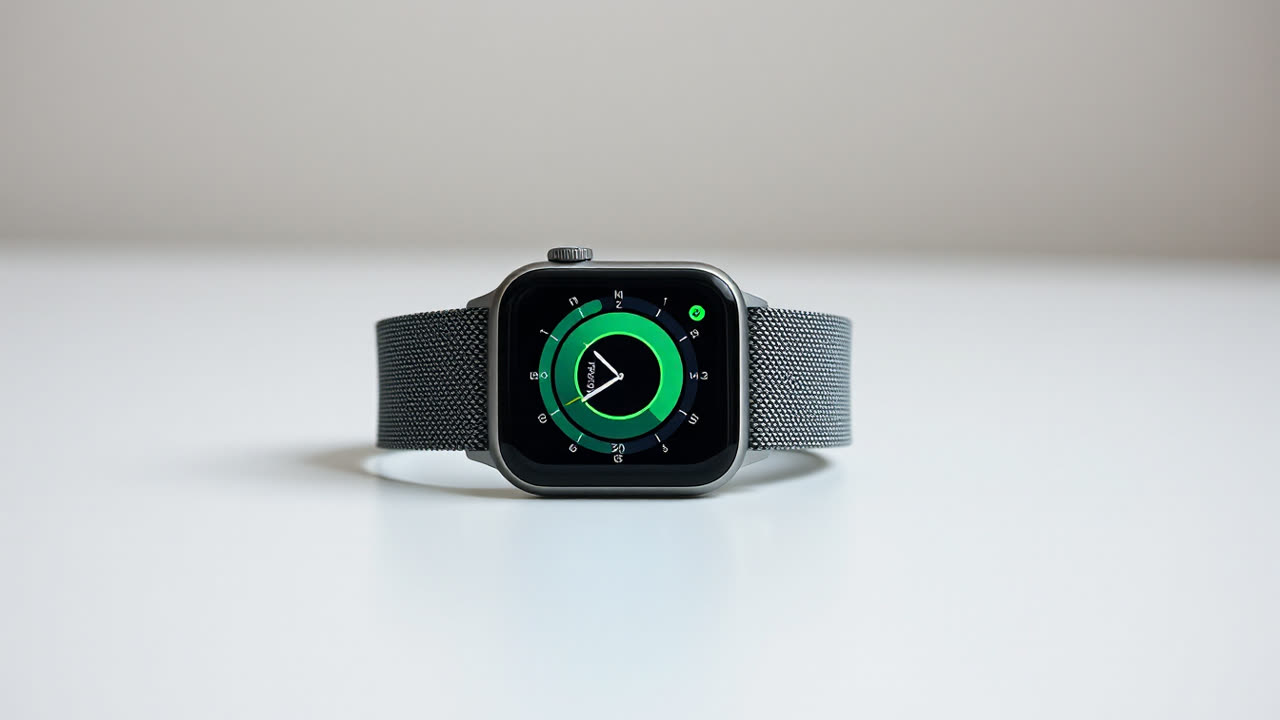
The Apple Watch Series 12 finally integrates a comprehensive "Readiness Score," a pivotal feature that transforms raw biometric data into actionable insights, moving the device beyond mere data collection to proactive health guidance. After a week of continuous wear, the Series 12 distinguishes itself through this unified metric, alongside noticeably faster charging capabilities and a refined, simpler user interface. This strategic evolution positions Apple to capture a larger segment of the health-conscious market, directly challenging specialized trackers that have long offered similar holistic assessments.
The introduction of a Readiness Score marks a significant shift in the Apple Watch's value proposition, offering users a daily, personalized metric reflecting their body's capacity for physical and mental exertion. Unlike previous iterations that presented a multitude of individual data points—heart rate variability, sleep stages, activity levels—the Series 12 synthesizes these into a single, intuitive score, guiding users on whether to push harder or prioritize recovery. This aggregated insight significantly reduces cognitive load, empowering users to make informed decisions about their well-being without needing to interpret complex physiological metrics themselves. For the everyday user, this translates to optimized workouts, improved sleep hygiene, and potentially better stress management, fostering a more intuitive and integrated approach to personal health.
From an industry perspective, Apple's adoption of a Readiness Score intensifies competition within the burgeoning health wearables market. Companies like Oura, Whoop, and Garmin have successfully carved out niches by providing similar recovery-focused metrics, often appealing to elite athletes and serious fitness enthusiasts. The Oura Ring, for instance, provides a "Readiness Score" based on sleep, heart rate variability, and body temperature, influencing daily activity recommendations. Similarly, Garmin's "Body Battery" and Whoop's "Recovery Score" offer comparable insights into physiological readiness. By integrating this feature into the widely popular Apple Watch ecosystem, Apple democratizes advanced recovery analytics, potentially drawing a vast new user base who previously found dedicated trackers too specialized or cumbersome. This move will likely pressure rivals to innovate further, perhaps leading to even more sophisticated biometric tracking or deeper integration with other health platforms.
The Series 12's enhanced health tracking extends beyond the Readiness Score, likely incorporating more precise sensor arrays and advanced algorithms to capture nuanced physiological data. While specific improvements over the hypothetical Series 11 are not detailed, the trend in wearable technology points towards greater accuracy in metrics like blood oxygen saturation, ECG readings, and potentially even non-invasive blood pressure monitoring or glucose trend tracking in future generations. These advancements build upon Apple's existing comprehensive health suite, which includes robust activity tracking, fall detection, and irregular heart rhythm notifications, continually expanding the device's utility as a personal health guardian. The Series 12's faster charging, a practical quality-of-life upgrade, directly addresses a common smartwatch pain point, ensuring minimal downtime and facilitating continuous wear necessary for accurate sleep and recovery tracking. This improvement allows the device to reach full charge significantly quicker than previous models, which could take over an hour for a full charge, aligning with market trends towards rapid power delivery seen in smartphones.
The simpler interface of the Series 12, as highlighted in the prompt, suggests a refinement of watchOS, prioritizing essential information and streamlining navigation. This could involve more customizable watch faces that prominently display the Readiness Score, fewer layers in menus, or enhanced Siri integration for voice-activated health queries. Such design choices aim to make the extensive features of the Apple Watch more accessible and less overwhelming, catering to a broader demographic. This commitment to user experience aligns with Apple's overarching design philosophy, ensuring that advanced technology remains intuitive and approachable.
Looking ahead, the Apple Watch Series 12's emphasis on a Readiness Score and overall user experience points towards a future where wearables are less about raw data presentation and more about intelligent, personalized health coaching. Future iterations will likely deepen the integration of AI and machine learning to offer even more predictive health insights, moving beyond reactive alerts to proactive wellness management. The ongoing pursuit of non-invasive glucose monitoring and continuous blood pressure tracking remains a significant frontier for the entire wearable industry, and Apple is undoubtedly a key player in this race. As the Apple Watch continues to evolve, it reinforces its position not just as a convenience device, but as an indispensable tool for holistic health and well-being, pushing the boundaries of what consumers expect from their wrist-worn technology.