Audacity 4 Arrives: A Complete Overhaul for the World's Most Popular Free Audio Editor
The long-awaited Audacity 4, a complete overhaul of the world's most ubiquitous free audio editor, has finally launched, bringing a modernized UI and a powerful engine rewrite that fundamentally transforms the user experience and democratizes advanced audio production for millions of creators globally.
✨ This content was summarized and interpreted by AI; it may contain errors — please verify accuracy with the original sources. Learn more
Listen to this story
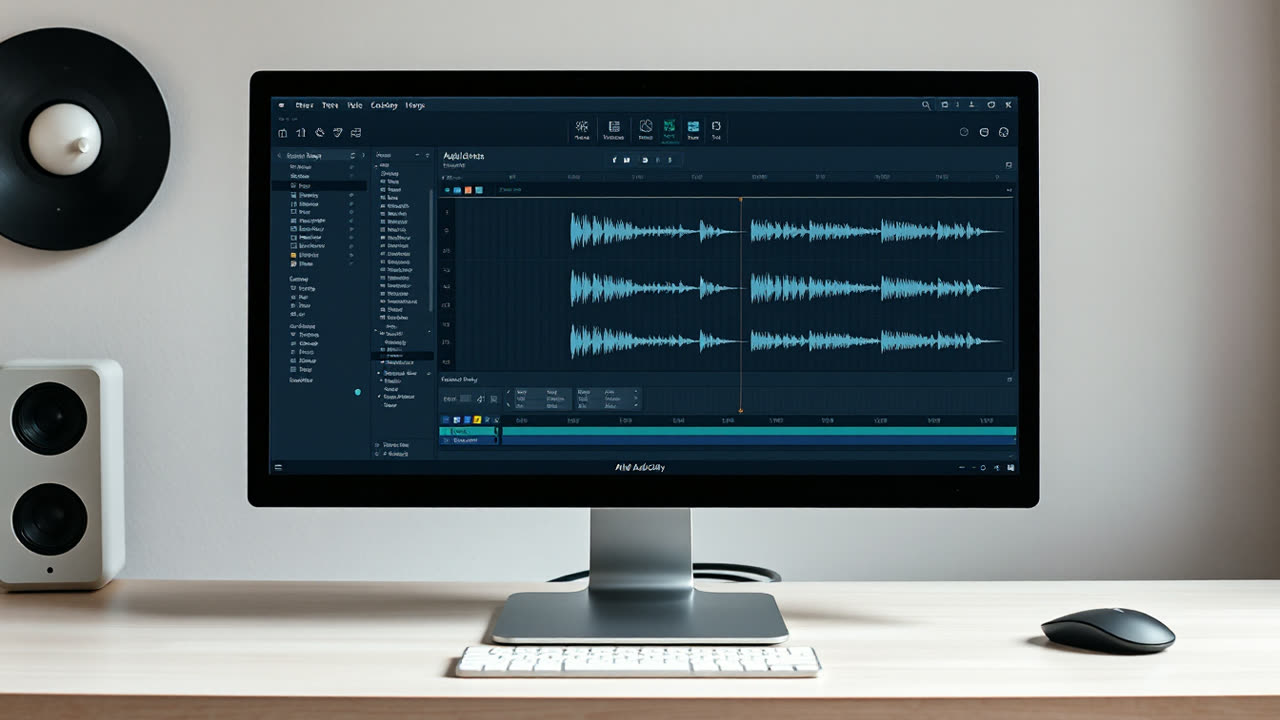
The long-anticipated Audacity 4, a complete overhaul of the world's most ubiquitous free audio editor, has finally arrived, ushering in a transformative era for millions of creators and marking a pivotal moment in the landscape of accessible digital audio production. This latest iteration, following years of development and a notable design controversy, represents the most significant update in the software's more than two-decade history, fundamentally reshaping its user experience and underlying capabilities. The core news revolves around a profoundly modernized user interface (UI) and a robust engine rewrite, moving beyond the dated aesthetics and performance bottlenecks that, despite its popularity, had long plagued the application.
The impact of Audacity 4 on both its vast user base and the broader industry is multifaceted and profound. For the casual podcaster, musician, or student, the intuitive new UI drastically lowers the barrier to entry, making sophisticated audio editing techniques more approachable than ever before. The previous interface, while functional, often presented a steep learning curve, deterring novices and frustrating experienced users accustomed to more modern design paradigms. The revamped, customizable dark theme and streamlined menus in Audacity 4 provide a contemporary feel that aligns with industry standards, reducing cognitive load and accelerating workflows. This accessibility ensures Audacity retains its crown as the go-to starting point for audio production, potentially bringing millions more into the creative fold who might otherwise be intimidated by complex digital audio workstations (DAWs).
Beyond aesthetics, the underlying engine rewrite in Audacity 4 delivers substantial performance gains, particularly noticeable in processing large files and handling multiple tracks. Users can expect significantly faster rendering, reduced latency, and more stable operation, addressing long-standing complaints about crashes and slowdowns that were common in prior versions, especially on less powerful hardware. This technological leap allows Audacity to tackle more demanding projects, pushing its utility beyond simple edits into more complex mixing and mastering tasks. The inclusion of non-destructive editing capabilities, a feature previously absent and a major limitation, fundamentally changes how users interact with their audio, offering flexibility and creative freedom previously reserved for professional-grade software.
The background to this monumental update includes a tumultuous period that saw the project's stewardship change hands, leading to initial concerns over privacy policies and, notably, a widely criticized early rendition of a new logo in 2025. The initial logo proposal was met with strong community backlash, highlighting the passionate attachment users have to the open-source software and underscoring the delicate balance between modernization and maintaining core identity. The final icon, thankfully, is a much-improved design, demonstrating the developers' responsiveness to community feedback and their commitment to the project's long-term health. This entire episode ultimately strengthened the community's engagement, proving that even a "free" product demands careful consideration of its user base.
Compared to its rivals, Audacity 4 significantly narrows the gap with both free and paid alternatives. Against other free options like GarageBand (macOS only) or the audio editing features within DaVinci Resolve's Fairlight page, Audacity 4 now offers a more complete and universally accessible solution. While GarageBand excels in its intuitive music creation tools, Audacity 4's cross-platform compatibility and enhanced editing prowess make it a formidable general-purpose editor. For those considering paid DAWs like Adobe Audition or Pro Tools, Audacity 4’s new feature set, including improved VST3 support and real-time effects processing, provides a compelling, zero-cost alternative for many common tasks, potentially delaying or even negating the need for a professional subscription for hobbyists and emerging professionals. The open-source nature of Audacity also continues to foster a vibrant plugin ecosystem, which Audacity 4 is now better equipped to leverage.
Looking ahead, Audacity 4’s release is not merely an endpoint but a new beginning. The modernized codebase lays a robust foundation for future innovations, hinting at potential deeper integration with cloud services, more sophisticated AI-powered audio restoration tools, and perhaps even collaborative editing features. The sustained commitment to user-driven development, evidenced by the logo controversy's resolution, suggests a bright future where community input continues to shape its evolution. Audacity 4 solidifies its position not just as the "world's most popular" free audio editor, but as a genuinely competitive and forward-thinking platform, poised to empower the next generation of audio creators and continue its legacy of democratizing sound production.