Aurora Aims for 30,000 Driverless Trucks by 2030, CFO Confident in Ambitious Goal
Autonomous logistics firm Aurora sets an aggressive target to deploy 30,000 driverless trucks within the next six years, signaling a rapid shift towards large-scale commercialization in freight.
✨ This content was summarized and interpreted by AI; it may contain errors — please verify accuracy with the original sources. Learn more
Listen to this story
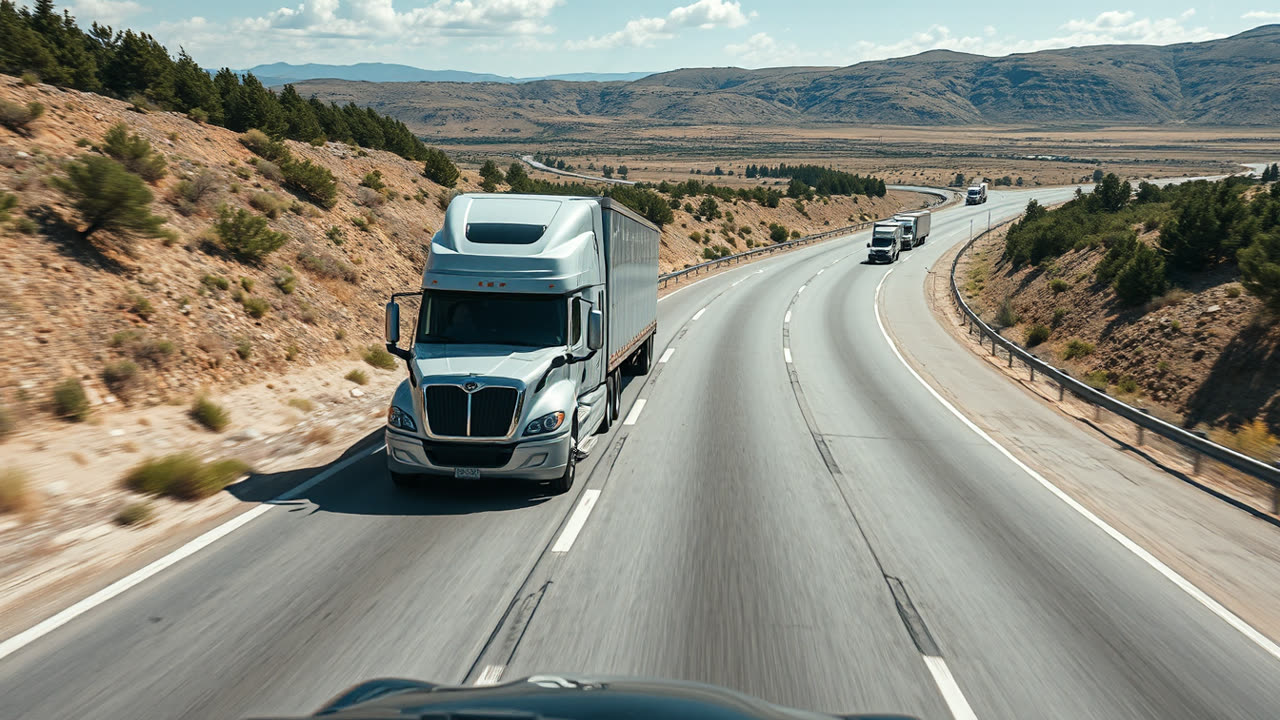
Aurora's bold assertion of deploying 30,000 driverless trucks by 2030, a target its CFO insists is not merely aspirational, marks a pivotal moment in the autonomous logistics sector, signaling a potential acceleration from experimental deployments to large-scale commercialization within the next four years. This ambitious timeline, disclosed following extensive testing and early commercial pilots, underscores a growing confidence within the company regarding the maturity and scalability of its Aurora Driver technology. The company's strategic focus on the lucrative long-haul trucking market, valued at hundreds of billions annually, positions it to capture significant market share by addressing critical industry pain points like driver shortages, fuel efficiency, and operational costs.
The sheer scale of 30,000 driverless trucks represents a transformative shift for the U.S. freight industry, promising to fundamentally alter supply chain dynamics. For logistics companies, the promise of 24/7 autonomous operations could translate into significantly reduced transit times and increased asset utilization, potentially lowering per-mile operating costs by as much as 30% through optimized fuel consumption and elimination of human driver wages and associated benefits. This efficiency gain is not just an incremental improvement; it could redefine inventory management, enable faster replenishment cycles, and mitigate the impact of external disruptions, ultimately benefiting consumers through more reliable and potentially cheaper goods. However, the widespread adoption of autonomous trucks also raises significant questions about the future of human truck drivers, a workforce numbering over 3.5 million in the U.S.. While Aurora and others often frame this as a shift towards "supervisors" or "remote operators," the economic and social implications of such a large-scale job displacement remain a critical, often understated, challenge that will require proactive policy and retraining initiatives.
Aurora's confidence stems from its integrated hardware-software solution, the Aurora Driver, which has undergone millions of miles of virtual and real-world testing. The company has been operating commercial pilots with partners like FedEx and Werner Enterprises, transporting goods autonomously on designated routes in Texas, demonstrating its system's reliability in specific operational design domains (ODDs). These early deployments, though still with safety drivers in many instances, provide crucial data for refining the technology and building trust with potential customers. This approach contrasts with some rivals who have faced significant setbacks or shifted strategies. For example, while Waymo Via continues its methodical expansion, other players like Embark Trucks exited the public market and shut down operations in 2023, highlighting the immense capital requirements and technical hurdles in this sector. Kodiak Robotics, another key competitor, has also been actively expanding its autonomous freight network, securing partnerships and demonstrating its own progress in driverless operations. Aurora's focus on a "Driver-as-a-Service" model, where it sells the autonomous driving capability rather than just the vehicles, allows it to scale without bearing the entire capital expenditure of a massive fleet, leveraging partnerships with truck manufacturers like PACCAR (which includes Kenworth and Peterbilt brands). This strategic alliance is crucial for manufacturing at scale, ensuring vehicles are built from the ground up to integrate the Aurora Driver.
Looking ahead, Aurora’s 2030 target, while aggressive, is underpinned by several critical assumptions that will dictate its feasibility. Regulatory clarity, particularly regarding fully driverless operations across state lines, remains paramount. While some states like Texas and Arizona have been more permissive, a patchwork of regulations could hinder nationwide scalability. Continued advancements in perception, prediction, and planning capabilities of the Aurora Driver are essential, especially for handling edge cases and adverse weather conditions that are ubiquitous in long-haul trucking. Furthermore, the economic viability of driverless trucks hinges on the total cost of ownership (TCO) being demonstrably lower than human-driven alternatives, a metric that will become clearer as more fully driverless miles are logged without safety drivers. The ongoing development of robust remote assistance and support infrastructure will also be crucial for ensuring operational continuity and rapid response to unforeseen events. If Aurora can successfully navigate these technical, regulatory, and economic challenges, its 30,000-truck vision could indeed materialize, fundamentally reshaping the future of freight transportation and solidifying its position as a leader in autonomous logistics.