Autonomous Key: $9 NFC Fob Physically Locks Distracting Apps
Ergonomic furniture company Autonomous introduces a $9 NFC fob that serves as a physical key to unlock distracting smartphone apps, offering a novel, friction-based solution to digital addiction.
✨ This content was summarized and interpreted by AI; it may contain errors — please verify accuracy with the original sources. Learn more
Listen to this story
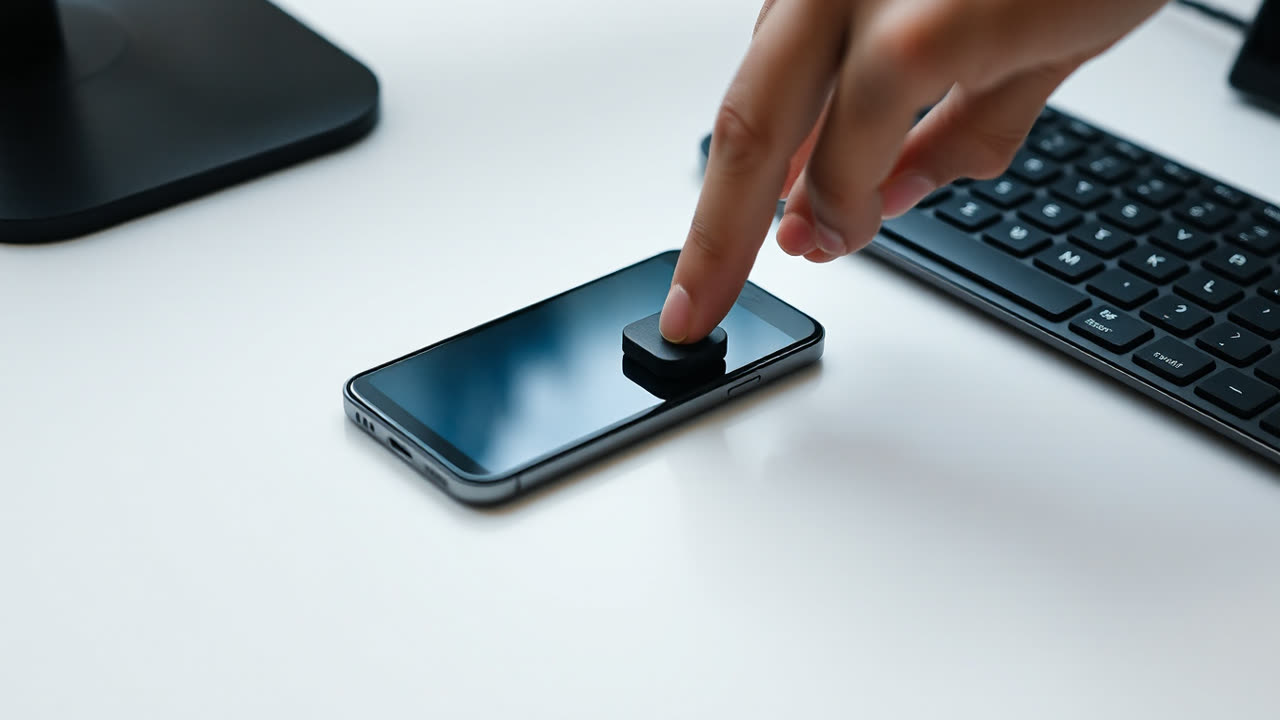
The Autonomous Key, a $9 NFC fob launched by ergonomic furniture company Autonomous in July 2026, offers a novel approach to combating smartphone addiction by introducing a physical barrier to accessing distracting apps. This small, battery-free keychain requires users to physically tap it against their smartphone to unlock designated applications, aiming to disrupt the impulsive urge to scroll that often undermines software-only digital well-being tools. The device, which began shipping after a Kickstarter campaign, works with most modern iPhones (iOS 15 or later) and Android devices (Android 8.0 or later) without requiring Bluetooth pairing.
The significance of the Autonomous Key lies in its direct challenge to the inherent weakness of conventional digital well-being solutions: the "Ignore limit" button. Software-based app blockers, such as Apple's Screen Time or Android's Digital Wellbeing, frequently fall short because they rely heavily on willpower, which can be easily circumvented with a few taps. Research indicates that the human brain struggles to resist digital temptation when an "off switch" is readily available, with some studies even suggesting that easily bypassed restrictions can increase addictive phone behaviors. By demanding a physical interaction, the Autonomous Key introduces a crucial layer of "friction," making the act of accessing a distracting app more conscious and effortful. This aligns with psychological principles suggesting that making a behavior more effortful reduces its frequency. For users who find themselves mindlessly opening social media apps at their desk or in bed, a physical blocker can be significantly more effective than another app residing on the same screen.
The Autonomous Key enters a growing market for digital well-being tools, but carves out a unique position primarily through its aggressive pricing and simplicity. At $9, it dramatically undercuts direct physical-friction competitors like Unpluq ($26.50), Blok ($29), and Brick ($59), none of which offer a subscription fee for core functionality. While rivals like Brick offer additional features such as a sleep mode or in-app purchase blocking, the Autonomous Key focuses on its core blocking mechanism. Other physical blockers, such as Detach ($9.99) and Bloom ($39), also exist, with varying features and price points, but the Autonomous Key's combination of low cost and an AI-powered companion app differentiates it. The companion app tracks unlocking habits, logging frequency and duration of use in locked apps, and offers personalized suggestions to tighten restrictions, claiming an ability to cut screen time by around 50% based on manufacturer data. This analytical layer, dubbed "Key Intelligence," attempts to not just block but also coach users towards better habits, a critical aspect often missing from purely restrictive tools.
The broader digital well-being landscape is dominated by software solutions, many of which are integrated into operating systems. However, these often suffer from persistent bugs, inaccurate usage reports, and a "restriction without education" design flaw, as highlighted by criticisms of Apple's Screen Time. Third-party apps like Opal, Freedom, and Habit Doom aim to improve on these by offering more robust blocking or integrating with habit-building features, but they remain software-based. The shift towards hardware-based solutions, even simple ones like the Autonomous Key, represents an industry acknowledgment that software alone may not be sufficient to combat deeply ingrained digital addictions. This trend is also seen in other digital health innovations, where hardware devices are increasingly being embraced to enhance patient well-being and streamline healthcare delivery.
Looking ahead, the success of the Autonomous Key could catalyze further innovation in physical digital well-being tools, particularly if its claimed screen time reduction figures are independently validated. Its low price point makes it highly accessible, potentially democratizing a more effective form of digital detoxification. Challenges remain, such as the current workaround for a lost key (uninstalling and reinstalling the app) and its limited international shipping. However, Autonomous has stated a more robust lost-key solution is in development. Future iterations might explore enhanced biometric integration, timed re-locking features similar to Unpluq's, or more sophisticated AI coaching that adapts in real-time to user behavior beyond simple tracking. The ultimate impact will depend on user adoption and the long-term effectiveness of adding physical friction to digital habits, but the Autonomous Key represents a significant step towards more tangible and less easily bypassed solutions for a pervasive modern problem.