Best of IFA 2026: MacBook Neo competitors, monitors, and wild laptop concepts
IFA 2026 in Berlin showcased a vibrant resurgence in the laptop and display markets, with exhibitors unveiling a compelling array of affordable, colorful new laptops, audacious concept devices, and a surprisingly diverse collection of monitors spanning budget-friendly options to cutting-edge high-refresh OLED panels.
✨ This content was summarized and interpreted by AI; it may contain errors — please verify accuracy with the original sources. Learn more
Listen to this story
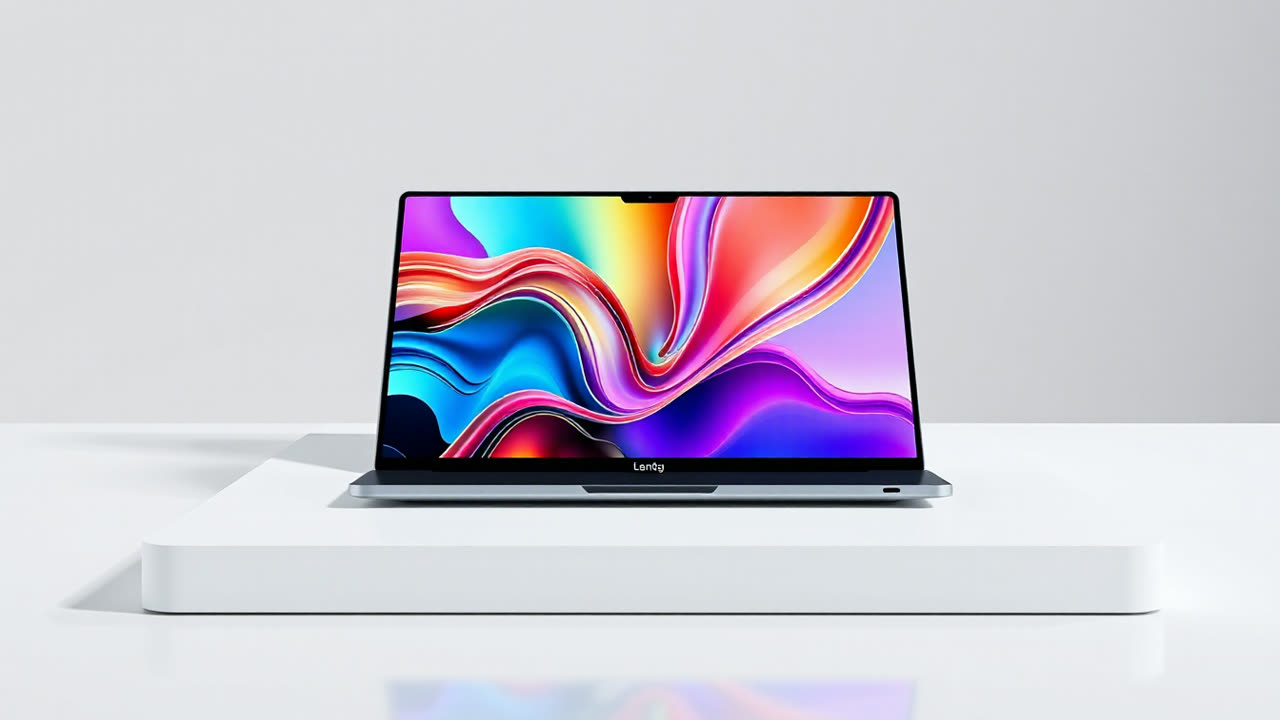
IFA 2026 in Berlin showcased a vibrant resurgence in the laptop and display markets, with exhibitors unveiling a compelling array of affordable, colorful new laptops, audacious concept devices, and a surprisingly diverse collection of monitors spanning budget-friendly options to cutting-edge high-refresh OLED panels. This year’s exhibition underscored a clear industry pivot towards accessibility and innovation, directly challenging the premium segment and hinting at a future where high-end features trickle down faster than ever before.
The most striking development was the emergence of numerous "MacBook Neo competitors," a term coined to describe a new wave of ultrabooks that blend performance, sleek design, and often ARM-based architectures, directly targeting Apple’s increasingly dominant premium laptop offerings. Brands like Acer, HP, and Dell, alongside several emerging manufacturers, introduced thin-and-light notebooks boasting impressive battery life and respectable processing power, frequently powered by Qualcomm's latest Snapdragon X Elite or next-generation MediaTek Kompanio chips. For instance, Acer's Swift Go X, starting at an aggressive €899, featured a 14-inch OLED display and promised up to 20 hours of battery life on a single charge, positioning it as a direct rival to Apple's M-series MacBooks in both efficiency and visual fidelity. HP’s new Spectre line, while retaining its premium aesthetic, introduced configurations with enhanced AI capabilities and sub-1kg weights, emphasizing portability and smart features for productivity users. These devices signal a concerted effort to offer compelling alternatives to Apple's ecosystem, not just on price, but also on form factor and specialized capabilities, particularly with the growing integration of on-device AI accelerators.
This shift matters profoundly for both users and the industry. For consumers, it translates to a broader selection of powerful, efficient, and aesthetically pleasing laptops at more competitive price points. The increased competition in the ARM-based laptop space, previously dominated by Apple, is expected to drive down costs and accelerate innovation, offering users genuine choices beyond the traditional Intel/AMD x86 architecture. The emphasis on vibrant, colorful designs, moving away from the utilitarian silver and grey, also reflects a desire to appeal to a younger, more expressive demographic, making personal computing feel less like a tool and more like an extension of personal style. For the industry, this signifies a maturation of the ARM ecosystem on Windows and ChromeOS, validating years of investment and potentially reshaping the foundational architecture of personal computing. It also forces established players to innovate further, pushing the boundaries of performance-per-watt and integrated features to stay competitive.
Beyond the ultrabooks, IFA 2026 was a hotbed for display technology. Monitors across all segments saw significant advancements. Budget monitors, often overlooked, received substantial upgrades, with several manufacturers showcasing 24-inch and 27-inch IPS panels offering 100Hz or 120Hz refresh rates for under €150, making smooth motion graphics accessible to a wider audience. At the higher end, OLED monitors were ubiquitous, moving beyond niche gaming products. Samsung unveiled a 32-inch 4K QD-OLED monitor with a staggering 240Hz refresh rate and a peak brightness of 1300 nits, pushing the boundaries of visual fidelity and responsiveness for professional and gaming applications alike. LG, not to be outdone, demonstrated a 45-inch ultrawide WOLED monitor featuring a 540Hz refresh rate, a specification previously unimaginable for such a large format. These advancements indicate that OLED technology is rapidly becoming mainstream, offering unparalleled contrast and color accuracy, and is no longer prohibitively expensive or limited to smaller screens. The sheer variety suggests that consumers will soon have an OLED option for nearly every use case and budget, from casual browsing to competitive esports.
The "wild laptop concepts" presented at IFA provided a glimpse into the future of mobile computing, demonstrating a willingness by manufacturers to experiment with radical form factors and user interfaces. Lenovo showcased a triple-screen foldable laptop, where two additional screens could unfurl from the main display, offering an expansive workspace for creative professionals. ASUS unveiled a laptop with a completely transparent OLED display, allowing users to see through the screen when not in use, blurring the lines between physical and digital environments. While these concepts are unlikely to hit mass production in their current forms, they serve as crucial incubators for future technologies, exploring new ways users might interact with their devices and pushing the boundaries of industrial design. They highlight an industry grappling with the next paradigm shift, moving beyond the traditional clamshell design to explore multi-modal interactions and augmented realities built directly into personal devices.
Looking ahead, the trends from IFA 2026 suggest a future where computing is more personalized, efficient, and visually stunning. We can expect to see a continued proliferation of ARM-based laptops, further eroding Intel's market share in the mobile segment, especially as AI integration becomes a standard feature. The "MacBook Neo competitors" will likely refine their offerings, potentially leading to a new era of highly specialized, application-specific laptops that leverage heterogeneous computing architectures. In the monitor space, OLED will continue its aggressive expansion, with further price reductions and even higher refresh rates becoming standard across various sizes. MicroLED and other emerging display technologies may begin to appear in concept devices, setting the stage for the next generation of visual experiences. The wild concepts, meanwhile, will continue to inspire, with elements like advanced haptic feedback, integrated projection, and seamless device-to-device connectivity gradually making their way into consumer products, transforming how we perceive and interact with our digital world. The emphasis on affordability and color also points to a broader market strategy, aiming to make advanced technology accessible and appealing to a wider, more diverse global audience.