BMW i3 Touring Electric Wagon Visually Confirmed, Targeting European Market
BMW's upcoming i3 Touring electric wagon, visually confirmed, signifies a strategic push into the practical EV segment, challenging SUV dominance with its Neue Klasse platform.
✨ This content was summarized and interpreted by AI; it may contain errors — please verify accuracy with the original sources. Learn more
Listen to this story
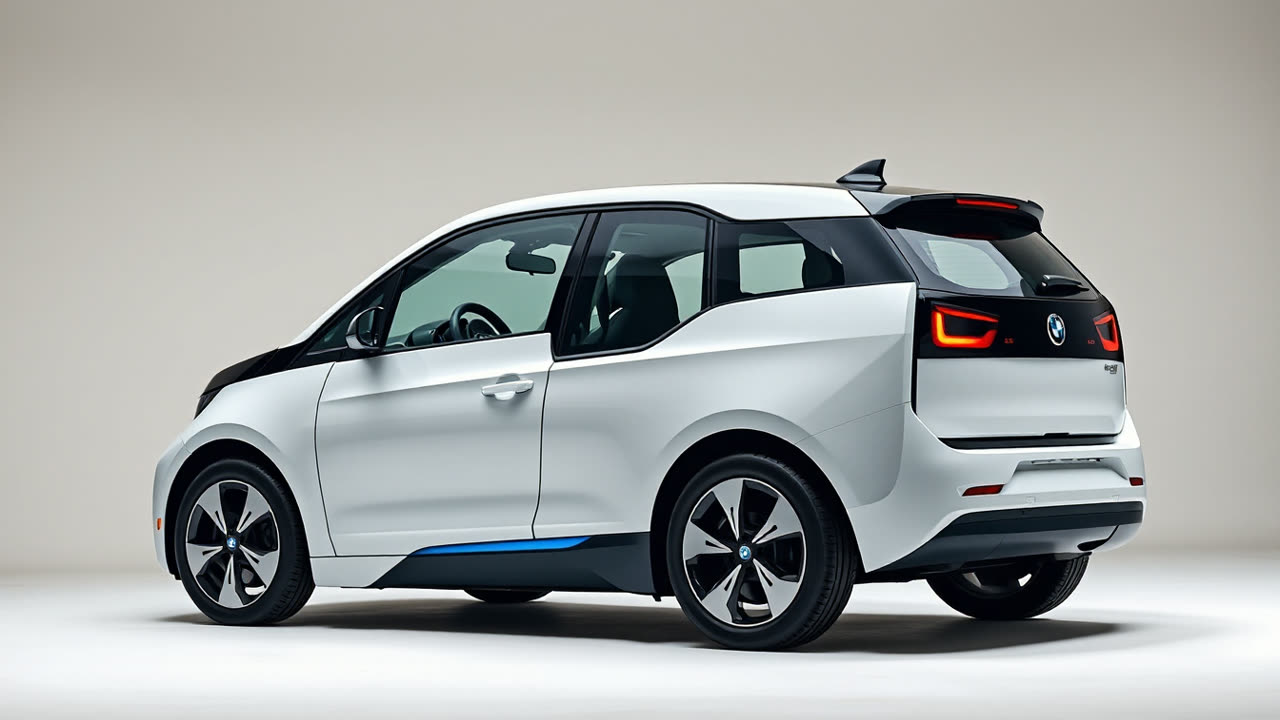
The first visual confirmation of the BMW i3 Touring, captured on video with its distinctive wagon tail, signals BMW's aggressive expansion into the electric vehicle (EV) segment, specifically targeting the burgeoning electric wagon market. This comes as the i3 sedan, a core model of BMW's Neue Klasse platform, has already begun sales, with the i3 50 xDrive First Edition priced at €75,340 in Germany and the standard model at €65,900. The Touring variant, internally codenamed NA1, is expected to launch in 2027, built on the same dedicated EV architecture.
This move is strategically significant, demonstrating BMW's commitment to offering practical, family-oriented electric alternatives beyond SUVs, a segment traditionally strong in Europe and China. The original BMW i3, produced from 2013 to 2022, was a pioneering but niche B-segment hatchback with a carbon fiber chassis, ultimately selling 250,000 units globally before its discontinuation. In stark contrast, the new i3 sedan and upcoming Touring are electric iterations of the popular 3 Series, leveraging BMW's flexible Cluster Architecture (CLAR) platform for the current Chinese long-wheelbase i3 sedan (G28, launched in 2022) and transitioning to the dedicated Neue Klasse (New Class) platform for the global i3 sedan (NA0) and i3 Touring (NA1). The Neue Klasse platform, a reset from the multi-energy CLAR, is BMW's first high-volume, fully electric-only architecture, designed around sixth-generation battery technology, an 800V electrical architecture, and structural battery integration. This advanced platform promises enhanced efficiency, faster charging, and a range of up to 440 miles (710 km) for the i3 sedan, with the i3 Touring projected to offer approximately 885 kilometers (550 miles) WLTP range. It supports DC fast charging at up to 400 kW, enabling a 10% to 80% charge in about 21 minutes.
The impact on users is substantial, offering a familiar, proven body style—the wagon—with the benefits of next-generation EV technology. For many European consumers, the wagon remains a preferred choice for its blend of driving dynamics, cargo capacity, and lower profile compared to SUVs. The i3 Touring is expected to maintain cargo space comparable to the current 3 Series wagon, addressing a critical need for practicality without compromising electric performance. This directly challenges the prevailing SUV dominance in the EV market, providing a compelling alternative for buyers who prioritize driving feel and efficient packaging. The interior will feature BMW's Neue Klasse cabin design, including a 17.9-inch floating central infotainment display and a 43-inch Panoramic Vision display, promising a highly digital and integrated user experience.
Industrially, the i3 Touring's arrival intensifies competition in the nascent electric wagon segment. Rivals include the Porsche Taycan Sport Turismo, the Nio ET5 Touring, and the upcoming Audi A6 Avant e-tron. While the Porsche Taycan Sport Turismo offers impressive performance, its sales figures have seen a notable decline, dropping 25% to 6,219 units globally in the first half of 2026, and it was even discontinued in the US market due to weak demand. The Nio ET5 Touring, available in Europe and China, offers unique battery swap technology and a range of up to 1,000 km NEDC. Audi's A6 Avant e-tron, revealed in July 2024 with preorders opening in September 2024, boasts a 100 kWh battery and an impressive 720 km WLTP range, built on the Premium Platform Electric (PPE). However, the Avant version is not available in the U.S. market. The BMW i3 Touring's entry, therefore, capitalizes on a segment with fewer direct high-volume competitors, particularly in Europe, where station wagons retain strong appeal.
Looking ahead, the i3 Touring's launch in 2027 will be pivotal for BMW's Neue Klasse strategy. The iX3 SUV was the first Neue Klasse model, followed by the i3 sedan. BMW plans to run the CLAR and Neue Klasse platforms in parallel for several years, with large SUVs continuing on CLAR while core EVs transition to Neue Klasse. The Munich plant, where the i3 Touring will be built, is undergoing a transformation to become an exclusively EV-dedicated facility by the end of 2027. This dual-platform approach allows BMW to cater to diverse global market demands while aggressively pushing its dedicated EV architecture. The i3 Touring is not just another model; it represents BMW's commitment to versatility and performance in the electric era, directly addressing a market segment previously underserved by premium electric offerings. Its success could solidify the electric wagon's place in the mainstream, encouraging other manufacturers to follow suit and diversify the EV landscape beyond the omnipresent SUV.