Bose Unveils $99 USB-C Noise Cancelling Wired Earbuds After 11-Year Hiatus
Bose's unexpected return to wired earbuds with a $99 USB-C powered noise-cancelling model challenges wireless dominance by prioritizing simplicity, reliability, and affordability.
✨ This content was summarized and interpreted by AI; it may contain errors — please verify accuracy with the original sources. Learn more
Listen to this story
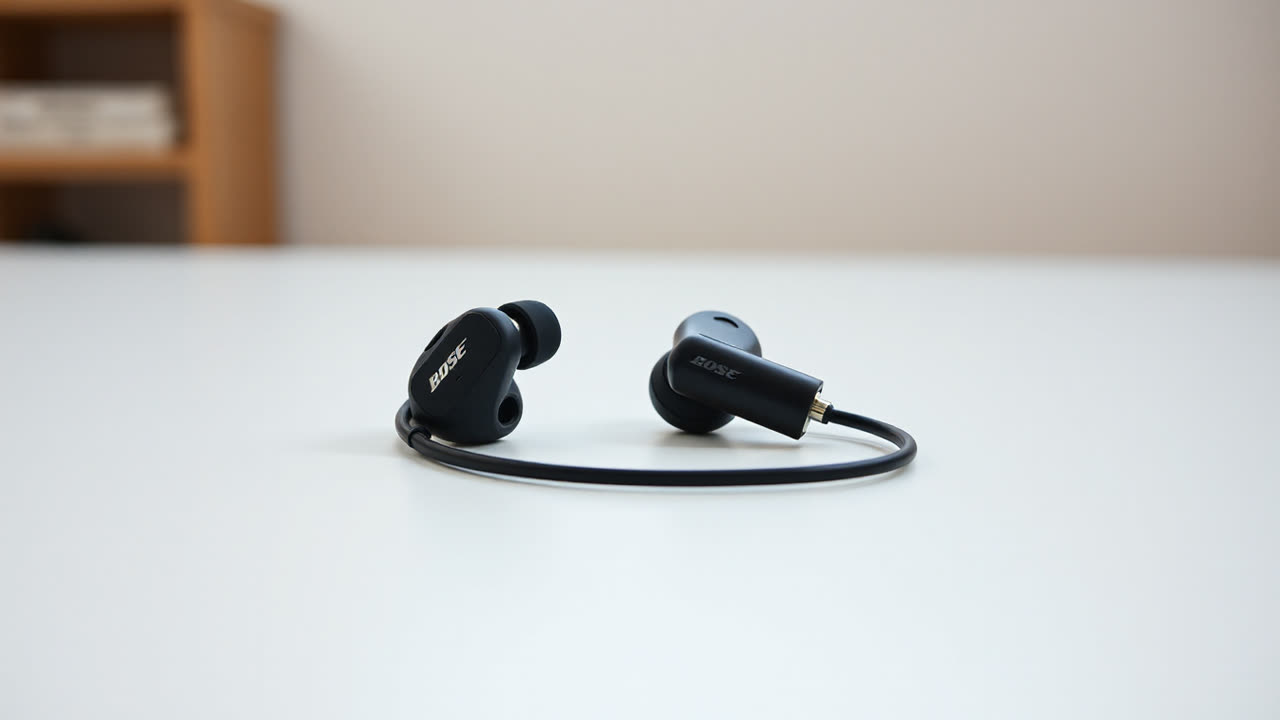
Bose has today re-entered the wired earbud market after an 11-year hiatus, unveiling its Noise Cancelling Wired Earbuds priced at $99, available for preorder immediately and shipping October 15. This unexpected move sees the audio giant leaning into a resurgent consumer preference for simplicity and reliability, directly addressing battery anxiety by drawing power via a universal USB-C connection from the host device. The new earbuds feature Bose's signature active noise cancellation (ANC), offering three distinct listening modes: Quiet (full ANC), Aware (allowing ambient sound), and Off, alongside tactile inline controls for volume, playback, calls, and mode switching. Raza Haider, president of Bose Premium Consumer Audio, highlighted the significant advancements in technology since their last wired offering, emphasizing the opportunity to redefine what wired earbuds can achieve.
This launch carries substantial implications for both users and the broader audio industry, challenging the prevailing narrative of wireless dominance. For consumers, the Noise Cancelling Wired Earbuds offer a compelling blend of premium audio and advanced noise cancellation without the inherent compromises of wireless technology. The elimination of a dedicated battery means no charging cycles, no unexpected power drain, and a consistent, unbuffered listening experience. This "plug and play" functionality, requiring no Bluetooth pairing or companion app, streamlines usability, making them ideal for users seeking dependable audio for work, travel, or focused listening. Furthermore, the wired connection ensures ultra-low latency, a critical advantage for competitive gaming, video editing, or consuming media where audio-visual synchronization is paramount. The $99 price point democratizes access to Bose's renowned ANC technology, making it significantly more accessible than their premium wireless alternatives like the QuietComfort Earbuds II or Ultra, which retail at substantially higher price points. This affordability, coupled with the growing "retro tech" trend championed by Gen Z, positions these earbuds as a counter-cultural statement against increasingly complex and expensive wireless ecosystems.
Bose's return to wired earbuds marks a strategic pivot from its previous wired noise-canceling offering, the QuietComfort 20, which was introduced in 2013 and eventually discontinued around 2022. The QC20 famously featured a somewhat bulky inline battery pack for its ANC functionality, a design constraint entirely overcome in the new model through USB-C power delivery. This technological leap allows for a sleeker, lighter form factor while retaining powerful noise cancellation via two microphones per earbud. Compared to the current market, where wired earbuds often lack sophisticated noise cancellation and ANC-equipped options are overwhelmingly wireless and costly, Bose carves out a unique niche. While rivals like Sony or Apple dominate the premium wireless space with feature-rich but battery-dependent products, Bose's wired earbuds offer a distinct proposition: uncompromising audio quality (with support for lossless audio playback at 24-bit/48kHz fixed output) and superior noise cancellation in a simple, reliable, and affordable package. The rapid 12-month development cycle for this product, as noted by Bose, underscores the company's agility and responsiveness to emerging market desires.
Looking ahead, Bose's re-entry could ignite a broader "wired renaissance" within the audio industry, particularly as USB-C becomes the ubiquitous standard across smartphones, tablets, and laptops. Other premium audio brands might observe the success of this model and consider diversifying their portfolios with similar "back-to-basics" offerings that prioritize reliability and sound quality over wireless convenience. This could foster a new category of high-performance, affordable wired audio gear, appealing to audiophiles, gamers, and professionals who demand consistent performance. Bose itself might explore variations, perhaps with different connector types (though USB-C's universality makes it a strong choice) or even higher-fidelity wired options. The move signals that innovation isn't solely confined to wireless advancements; sometimes, it means refining existing, proven technologies to meet evolving consumer needs for simplicity, sustainability, and uncompromising performance. This launch firmly asserts that for a segment of the market, everything old, when reimagined with modern tech, can indeed be new again.