Bumble's "Swipe-Free" Future: A Bold Pivot to Real-World Connections for Gen Z
Bumble is aggressively moving away from its traditional swipe-based matching, aiming to foster real-world social experiences and capture the Gen Z demographic with a focus on in-person connections.
✨ This content was summarized and interpreted by AI; it may contain errors — please verify accuracy with the original sources. Learn more
Listen to this story
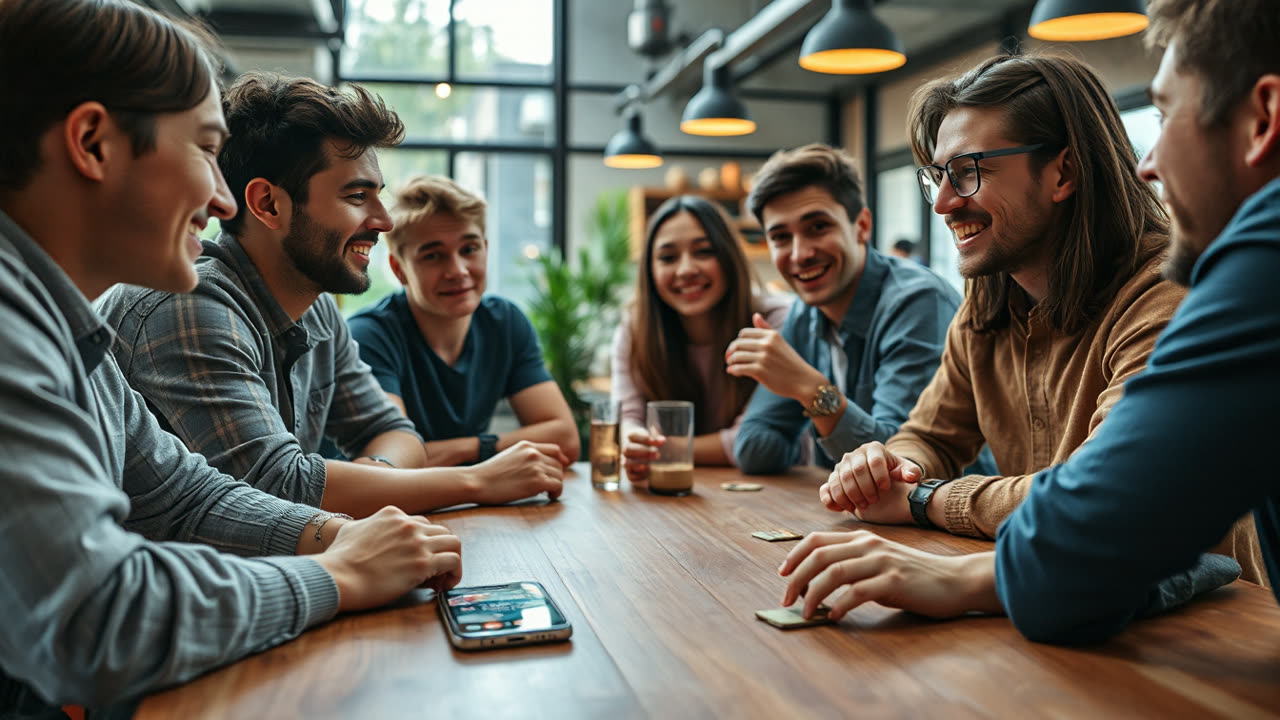
Bumble is aggressively signaling a departure from its foundational swipe-based matching system, aiming to cultivate real-world social experiences as it strategically pivots to capture the elusive Gen Z demographic. The company, which built its brand on women making the first move, is now envisioning a "swipe-free future" where serendipitous in-person connections are prioritized over endless digital profiles. This shift marks a significant re-evaluation of the online dating paradigm, acknowledging a growing fatigue with the transactional nature of swiping and the superficiality it often fosters.
The core of Bumble's new strategy involves a deeper integration of its "Bumble For Friends" (BFF) and "Bumble For Bizz" modes, alongside the introduction of new features designed to facilitate group activities and community building. While specific launch dates and detailed mechanics for all "swipe-free" features are still emerging, the company has indicated an emphasis on event-based matching and interest-group connections rather than individual profile review. This evolution is not entirely without precedent; Bumble has experimented with features like "speed dating" events within the app and has long offered its BFF mode to connect users for platonic friendships. The current push, however, suggests a more fundamental re-architecture of the user experience, moving beyond mere feature additions to redefine the app's primary interaction model.
This strategic pivot is critical for Bumble's long-term relevance and market share, particularly among Gen Z users who exhibit distinct preferences and behaviors compared to previous generations. Research consistently shows Gen Z values authenticity, community, and shared experiences over curated digital personas. They are also demonstrably more fatigued by traditional dating app mechanics, with many expressing disillusionment over ghosting, catfishing, and the sheer volume of low-quality interactions. By focusing on IRL meetups and shared activities, Bumble aims to tap into this desire for genuine connection, offering a more organic pathway to relationships—be they romantic, platonic, or professional. This move directly addresses the "dating app burnout" phenomenon, positioning Bumble as a solution rather than a contributor to the problem.
The impact on the industry could be profound, potentially forcing rivals to re-evaluate their own entrenched swipe-based models. For years, Tinder, Match.com, and Hinge have dominated the landscape, largely refining the original swiping mechanism. While Hinge has made strides in promoting "designed to be deleted" connections through more thoughtful prompts, it still relies heavily on individual profile assessment. Bumble's radical shift could catalyze a broader industry trend towards "social discovery" platforms that happen to facilitate dating, rather than pure dating apps. This could blur the lines between social networks, event platforms, and traditional dating services, creating a more competitive and innovative ecosystem. Developers might increasingly focus on AI-driven event suggestions, localized community hubs, and advanced interest-matching algorithms that de-emphasize physical appearance as the primary filter.
Bumble's existing infrastructure, particularly its BFF mode, provides a robust foundation for this transition. Bumble For Friends, launched in 2016, has already cultivated a user base accustomed to seeking platonic connections through shared interests, offering a logical stepping stone to group-based dating or social events. This contrasts with rivals like Tinder, which remains almost exclusively focused on romantic connections and lacks a comparable social-first framework. Hinge, while promoting deeper connections, still operates primarily on a one-to-one matching basis. Bumble's differentiation lies in its established community-building features, which can be leveraged and expanded to facilitate "swipe-free" romantic encounters. The challenge, however, will be in seamlessly integrating these new functionalities without alienating its existing user base, many of whom are accustomed to the traditional swipe-and-match dynamic.
Looking ahead, Bumble's success hinges on its execution and the ability to truly deliver on the promise of meaningful, real-world interactions. The company will need to invest heavily in localized event coordination, robust interest-group algorithms, and potentially partnerships with venues or experience providers. The "swipe-free" future could involve a more curated experience, where users are prompted to attend themed events, join digital "clubs" based on hobbies, or even participate in virtual speed-dating sessions that culminate in IRL meetups. This could also open avenues for monetization beyond premium subscriptions, such as charging for exclusive event access or premium community features. The biggest risk lies in user adoption; deeply ingrained habits are hard to break, and convincing users to spend less time swiping and more time engaging in structured social activities within the app will require a significant cultural shift. If successful, Bumble could redefine the dating app landscape, moving it from a digital marketplace of individuals to a vibrant platform for genuine social discovery and connection, ultimately offering a more holistic and less isolating path to forming relationships in the digital age.