BYD Atto 2 (Yuan Up) Redefines Budget EVs with $11,000 Starting Price and Enhanced Range
BYD's refreshed Yuan Up, known globally as the Atto 2, dramatically redefines the entry point for electric vehicle ownership, now starting at an astonishing approximately $11,000 in its home market.
✨ This content was summarized and interpreted by AI; it may contain errors — please verify accuracy with the original sources. Learn more
Listen to this story
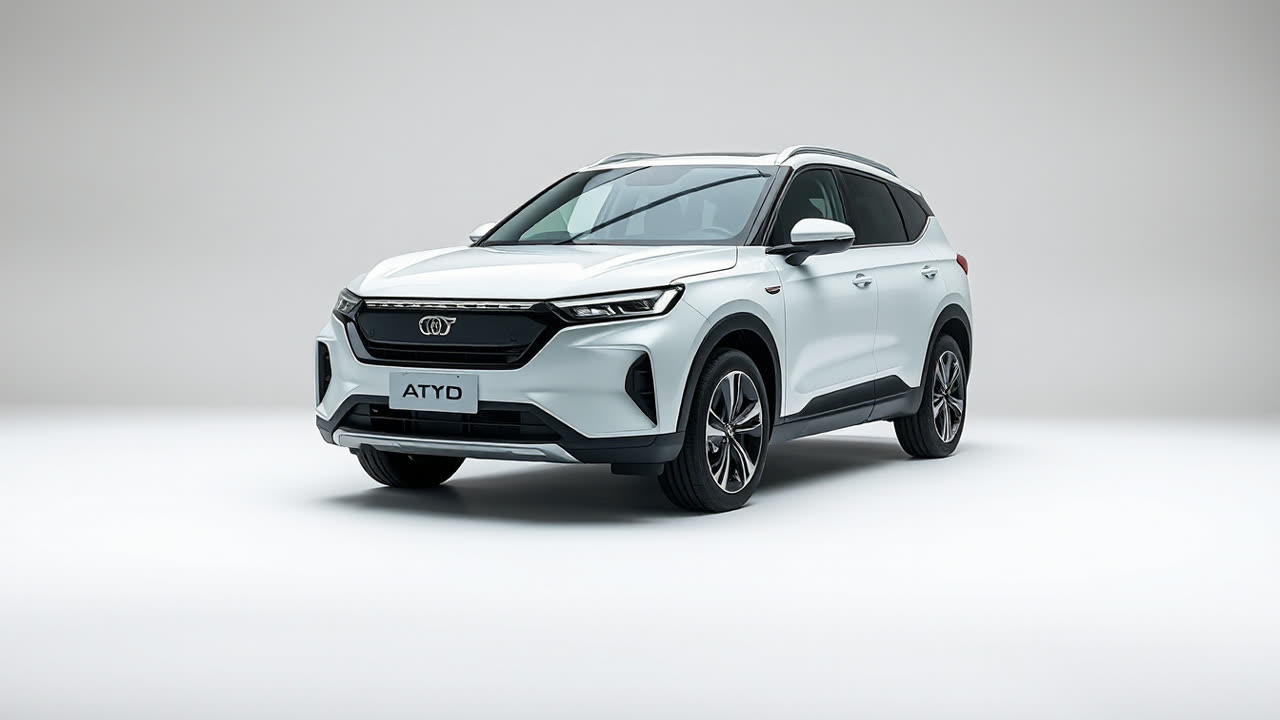
BYD's recent refresh of its top-selling small electric SUV, the Yuan Up – known globally as the Atto 2 – dramatically redefines the entry point for electric vehicle ownership, now starting at an astonishing approximately $11,000 (79,800 yuan) in its home market. This aggressive pricing strategy, coupled with a significant boost in range, positions the Atto 2 as a potent disruptor, not just for the burgeoning budget EV segment but for the broader automotive landscape, challenging established internal combustion engine (ICE) vehicles at their most vulnerable price points.
The core of the upgrade centers on enhanced battery technology and optimized efficiency, pushing the range of the top-tier variant to an estimated 401 kilometers (249 miles) on the CLTC cycle, a substantial improvement over its predecessor's maximum of 301 kilometers (187 miles). While specific battery capacities for the new model are still emerging, previous versions utilized BYD's Blade Battery technology, known for its safety and energy density. The base model, now offered at the aforementioned $11,000, provides a competitive 301 kilometers (187 miles) of range, making it a compelling option for urban commuters and first-time EV buyers. This isn't merely a minor facelift; it's a strategic recalibration designed to capture an even larger share of the mass market.
The implications for consumers are profound. For many, the dual barriers of high upfront cost and range anxiety have been the primary deterrents to EV adoption. BYD's Atto 2 directly addresses both. An $11,000 electric SUV with over 300 km of range is no longer a niche product; it's a genuine alternative to similarly priced gasoline-powered cars, particularly in developing markets where cost sensitivity is paramount. This accessibility democratizes electric mobility, potentially accelerating the transition away from fossil fuels in regions previously considered out of reach for advanced EV technology. It offers a practical solution for daily commutes and errands, effectively eliminating fuel costs for a significant portion of the population.
For the industry, BYD's move is a seismic event. It underscores the Chinese manufacturer's relentless pursuit of cost efficiency and vertical integration, from battery production to chip manufacturing, allowing it to dictate pricing in a way few rivals can match. This aggressive pricing puts immense pressure on legacy automakers, many of whom struggle to produce profitable EVs, especially in the compact and subcompact segments. Brands like Volkswagen, Stellantis, and General Motors, all vying for global EV leadership, will find their entry-level offerings look increasingly expensive by comparison. For instance, while details on a direct Atto 2 successor from a competitor like MG (owned by SAIC) are not yet fully clear, the current MG ZS EV typically starts at a significantly higher price point, often exceeding $25,000 in many international markets. This vast price differential forces competitors to either drastically cut margins, innovate faster to reduce production costs, or cede the high-volume budget segment to BYD.
The Yuan Up/Atto 2's predecessor, the original Yuan Up and the Atto 2 as it was first introduced, already enjoyed strong sales due to its practical design and accessible price, albeit at a higher entry cost and with less range. This upgraded model builds on that success, leveraging a proven platform and BYD's established brand recognition in key markets. Its design, while functional, is modern and appealing, avoiding the often-quirky aesthetics of some early budget EVs. This mainstream appeal is critical for widespread adoption.
Looking ahead, BYD's aggressive pricing strategy with the Atto 2 signals a clear intent to dominate the global small EV market, mirroring its success in China. The "race to the bottom" in EV pricing, driven largely by Chinese manufacturers, is set to intensify. This trend will likely force a greater bifurcation in the EV market: premium offerings from brands like Tesla and European luxury marques will continue to cater to the high-end, while the mass market will be increasingly served by highly competitive, value-focused models from BYD and its Chinese peers. We can anticipate other manufacturers, particularly those with a strong presence in emerging markets, to respond with their own sub-$15,000 EV offerings, potentially leading to a new wave of innovation focused on affordability and efficiency. Furthermore, this move could accelerate the development of charging infrastructure in price-sensitive regions, as the sheer volume of affordable EVs on the road will necessitate it. BYD's Atto 2 is not just an upgraded vehicle; it's a benchmark for the next era of mass-market electric mobility, pushing the industry towards a more accessible and sustainable future.