BYD Denza D9 Disrupts UK Luxury MPV Market with Aggressive £75,000 Price
BYD has decisively positioned its Denza D9, a 7-seat premium MPV, to disrupt the UK's luxury vehicle segment with an aggressive starting price of £75,000, significantly undercutting established rivals.
✨ This content was summarized and interpreted by AI; it may contain errors — please verify accuracy with the original sources. Learn more
Listen to this story
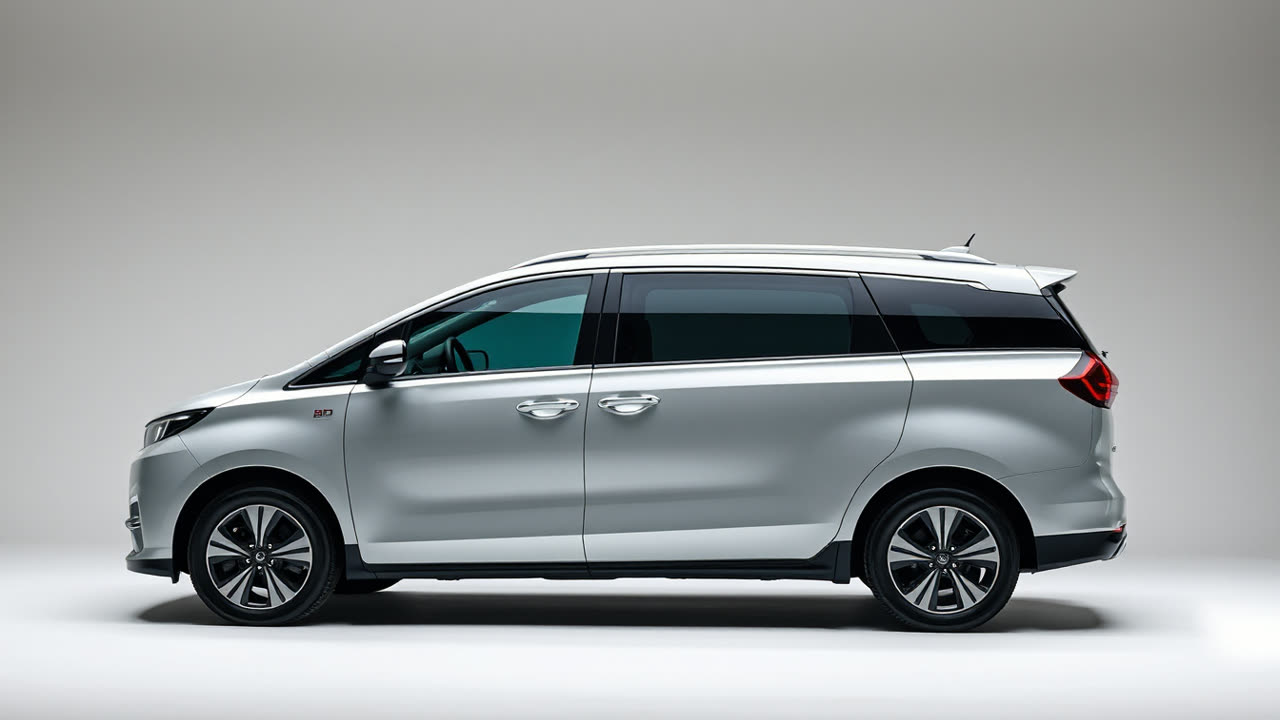
BYD has decisively positioned its Denza D9, a 7-seat premium MPV, to disrupt the UK's luxury vehicle segment with an aggressive starting price of £75,000, significantly undercutting established rivals. This strategic entry, announced for the UK market, represents a calculated move by the Chinese automotive giant to challenge the long-held dominance of European and Japanese luxury marques in a niche yet highly profitable category. The Denza D9 is not merely an expansion of BYD's burgeoning electric vehicle (EV) and plug-in hybrid (PHEV) portfolio, but a direct assault on the perception that premium quality and advanced technology must come with an exorbitant price tag, particularly within the luxury MPV space which often caters to executive transport, large families, and hospitality sectors.
The significance of this pricing strategy extends far beyond a simple competitive advantage; it fundamentally redefines value propositions for UK consumers seeking high-end multi-purpose vehicles. Historically, the luxury MPV market in the UK has been relatively constrained, dominated by offerings like the Mercedes-Benz V-Class, which can easily exceed £80,000 for well-equipped variants, and the recently introduced Lexus LM, with prices starting closer to £90,000. By launching at £75,000, the Denza D9 positions itself as a compelling alternative that offers comparable, if not superior, levels of luxury, technology, and passenger comfort at a considerable discount. This directly impacts potential buyers who might have previously considered a luxury MPV an aspirational purchase, making it a more attainable reality. For fleet operators and chauffeur services, the lower entry cost, combined with BYD's reputation for robust EV powertrains, could translate into substantial operational savings and a faster return on investment.
From an industry perspective, BYD's move signals an intensifying battle for market share in Europe, particularly as Chinese automakers increasingly pivot towards premium segments. BYD, already a global leader in EV sales, is leveraging its vertical integration, including battery production, to achieve cost efficiencies that rivals struggle to match. The Denza D9, initially launched in China in 2022, has been a strong performer there, offering both DM-i super hybrid (PHEV) and pure EV powertrain options, with the latter boasting ranges exceeding 600 kilometers on a single charge in some configurations. Its arrival in the UK, likely with both powertrain variants, provides a versatility that few direct competitors offer, especially at the proposed price point. The vehicle itself is characterized by a spacious, technology-rich interior, featuring multiple large screens, premium materials, and advanced driver-assistance systems (ADAS), all designed to rival the comfort and sophistication of a private jet cabin. This level of refinement, coupled with BYD's proven battery technology, directly challenges the notion that Chinese-made vehicles are inherently inferior in build quality or technological sophistication.
Comparing the Denza D9 to its closest rivals, the Mercedes-Benz V-Class has long been the benchmark for luxury MPVs in Europe, renowned for its build quality and brand prestige, but often criticized for its higher price and sometimes less adventurous interior design. The Lexus LM, while offering unparalleled luxury and refinement, comes at a significantly higher premium, often exceeding £90,000, placing it in an even more exclusive bracket. The Denza D9's aggressive pricing strategy aims to capture customers who desire the luxury and space of these established players but are increasingly price-conscious or open to exploring new brands that offer greater value. It also sets a precedent for future Chinese luxury vehicle introductions, forcing incumbent automakers to re-evaluate their own pricing strategies and feature sets to remain competitive.
Looking ahead, BYD's entry with the Denza D9 is likely to catalyze a broader shift in consumer perception and market dynamics. Success in the UK's luxury MPV segment could pave the way for BYD to introduce other premium Denza models, such as the N7 SUV, further solidifying its high-end credentials in Europe. The immediate impact will be increased pressure on competitors to innovate faster, potentially leading to more feature-rich offerings or revised pricing structures from brands like Mercedes-Benz and Lexus. Furthermore, as EV adoption accelerates, the Denza D9's electric variant will directly compete with forthcoming electric luxury MPVs, pushing the envelope on range, charging speeds, and integrated technology. The long-term outlook suggests a more diverse and competitive luxury vehicle landscape, where brand heritage increasingly contends with technological innovation and aggressive value propositions, ultimately benefiting consumers with more choices and potentially lower prices for premium mobility. The Denza D9 is not just a new car; it is a declaration of intent from BYD to redefine what luxury means in the electric age, one market segment at a time.