BYD's Denza Z9S Redefines Luxury EV Range with 570 Miles
BYD's Denza Z9S luxury electric sedan sets a new industry benchmark with an astounding 920-kilometer (570-mile) CLTC range on a single charge, challenging established rivals and addressing range anxiety head-on.
✨ This content was summarized and interpreted by AI; it may contain errors — please verify accuracy with the original sources. Learn more
Listen to this story
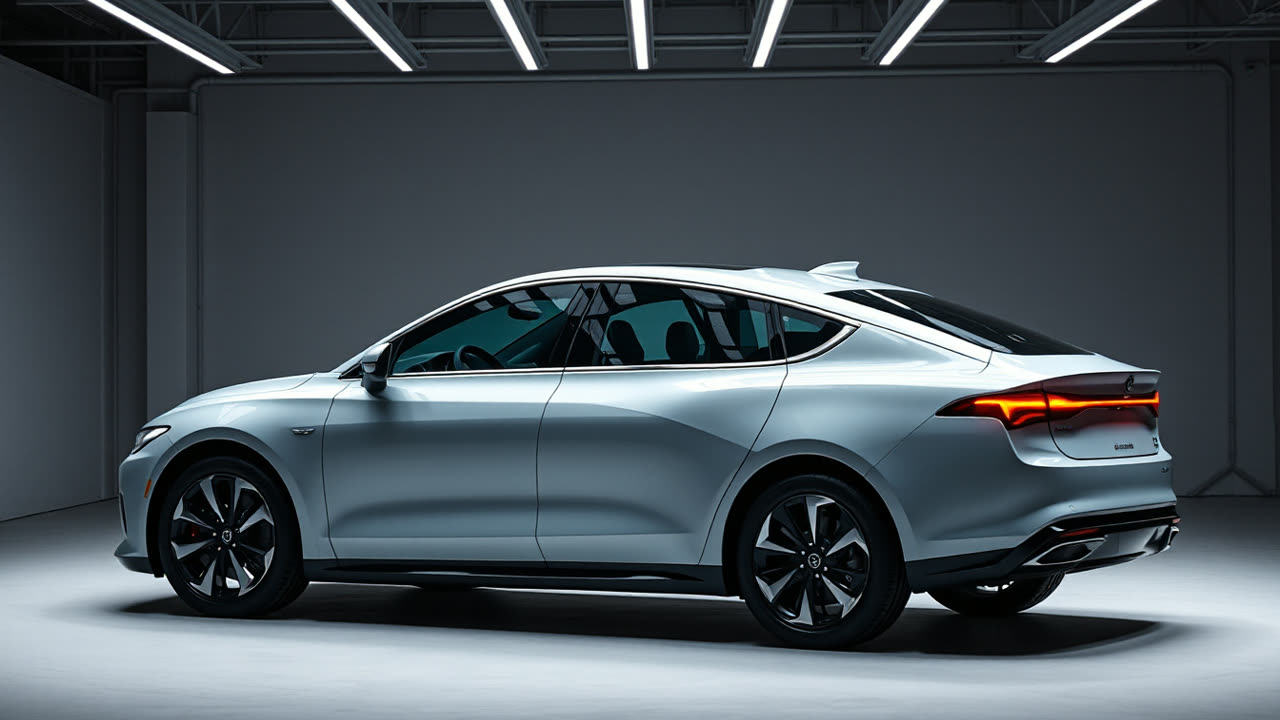
BYD's newly unveiled Denza Z9S, a luxury electric sedan, boasts an impressive 920-kilometer (approximately 570 miles) CLTC range on a single charge, signaling a significant leap in battery efficiency and long-distance capability for the premium segment. This figure, achieved through BYD's advanced battery technology, positions the Z9S as a formidable contender in a market increasingly defined by range anxiety and the demand for practical, extended travel. The vehicle's sleek fastback styling, a hallmark of modern luxury performance sedans, combines aerodynamic efficiency with a sophisticated aesthetic, aiming to capture a discerning clientele that values both form and function.
This remarkable range is more than just a headline-grabbing number; it fundamentally alters the competitive landscape for luxury EVs, particularly in the critical Chinese market and potentially globally. For users, the Z9S's 920 km CLTC range translates to unprecedented freedom from frequent charging, making long-haul journeys more feasible and reducing the psychological barrier to EV adoption for many affluent buyers. This directly addresses one of the primary concerns for potential EV owners, pushing the practical utility of electric vehicles closer to, or even beyond, that of traditional internal combustion engine (ICE) luxury sedans. The implication for the industry is profound: BYD, through its Denza sub-brand, is setting a new benchmark for range, compelling rivals to accelerate their own battery and powertrain innovations. This could trigger a new "range war" in the luxury segment, shifting focus from pure acceleration to comprehensive efficiency and extended utility.
The Denza Z9S leverages BYD's extensive expertise in battery technology, likely incorporating an evolution of their Blade Battery, renowned for its safety and energy density. While specific battery capacity details for the Z9S are yet to be fully disclosed, achieving such a range suggests a highly optimized powertrain and thermal management system, alongside a large-capacity power pack. In terms of performance, the Z9S is expected to feature a potent tri-motor all-wheel-drive configuration, delivering a staggering 965 horsepower (710 kW) and 1200 Nm of torque, enabling a 0-100 km/h acceleration in just 2.9 seconds. This places it firmly in the hyper-sedan category, challenging established performance benchmarks set by vehicles like the Porsche Taycan Turbo S or Tesla Model S Plaid, while simultaneously offering superior range. Inside, the Z9S is anticipated to offer a premium cabin experience, characterized by high-quality materials, advanced infotainment systems, and cutting-edge driver-assistance technologies, aligning with the expectations of the luxury segment.
Historically, Denza was established as a joint venture between BYD and Mercedes-Benz, initially struggling to gain significant traction. However, BYD's recent strategic revitalization of the brand has seen a resurgence, positioning Denza as a premium extension offering a blend of BYD's technological prowess and a more refined, upscale appeal. This strategy contrasts with BYD's ultra-luxury Yangwang brand, which targets the absolute pinnacle of the market with extreme performance and features like the U8's tank turn, and its mainstream BYD Dynasty and Ocean series. The Z9S's direct competitors include the Nio ET7, Zeekr 001, and Xpeng P7 from China, all vying for dominance in the burgeoning domestic luxury EV market. Internationally, it enters a fiercely contested arena against the Mercedes-Benz EQE/EQS, BMW i5/i7, and the Lucid Air, particularly the latter which has been lauded for its exceptional range. Compared to its rivals, the Z9S's 920 km CLTC range significantly surpasses the EPA estimated ranges of the Lucid Air Grand Touring (516 miles) and the Tesla Model S Long Range (405 miles), albeit using a different testing standard that typically yields higher figures. Even accounting for this, the sheer numerical advantage is compelling.
Looking ahead, the Denza Z9S is poised to intensify competition within the global luxury EV market, particularly if BYD pursues an aggressive international expansion strategy for the Denza brand, following its successful inroads with other models in Europe and Southeast Asia. The Z9S's combination of class-leading range, high performance, and luxurious appointments at a potentially competitive price point (which is yet to be announced but expected to undercut some Western rivals) could force established luxury automakers to re-evaluate their own product roadmaps and pricing strategies. Furthermore, the technological advancements underpinning the Z9S's range and performance will likely trickle down to BYD's more accessible models, accelerating the overall progress of EV technology across the industry. The success of the Z9S will also be a critical indicator of Chinese brands' ability to not only compete but lead in the high-end automotive segments globally, challenging long-held perceptions of automotive luxury and engineering dominance. Its launch signifies BYD's continued ambition to transition from a volume leader to a premium innovator, setting a new bar for what consumers can expect from an electric luxury sedan.