BYD's Electric Kei Car Takes Japan by Storm with 1,000+ Orders in Two Weeks
BYD's new electric kei car has rapidly secured over 1,000 orders in Japan within two weeks of launch, signaling a significant challenge to established domestic automakers and a pivotal shift in the highly insular Japanese compact EV market.
✨ This content was summarized and interpreted by AI; it may contain errors — please verify accuracy with the original sources. Learn more
Listen to this story
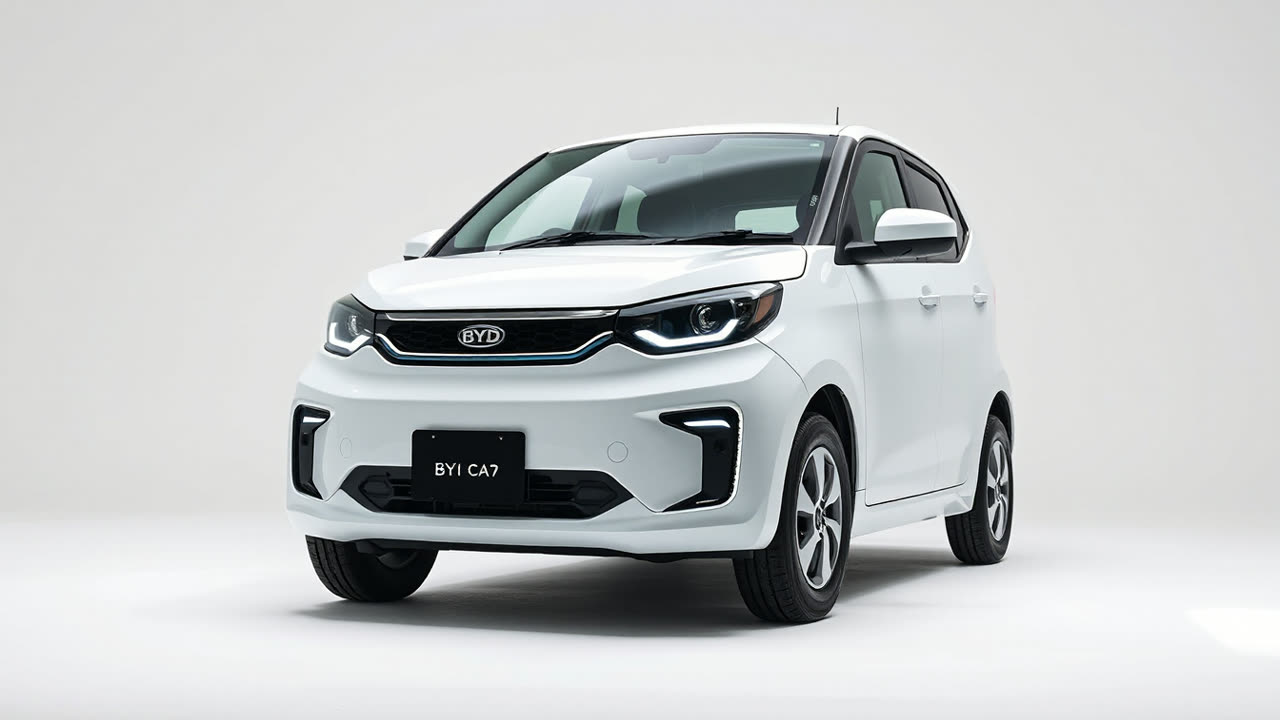
BYD's entry into the highly competitive Japanese kei car segment has seen its new electric kei model secure over 1,000 orders within just two weeks of its launch, signaling a potent challenge to established domestic automakers. This rapid initial uptake, particularly in a market historically dominated by local players and characterized by consumer loyalty, underscores a significant shift in the landscape of Japan's compact EV sector.
This immediate market traction for BYD’s yet-to-be-officially-named kei EV, which is reportedly a rebadged version of its global Seagull or Dolphin Mini adapted for Japanese regulations, is a crucial indicator of several evolving dynamics. Firstly, it demonstrates a growing consumer openness in Japan to foreign EV brands, particularly if they offer compelling value propositions. The kei car segment, defined by strict regulations on size (max 3.4m length, 1.48m width, 2m height) and engine displacement (max 660cc for ICE vehicles), demands efficiency, affordability, and practicality. BYD's ability to quickly amass orders suggests their offering hits these critical points, potentially disrupting the long-held perception that only Japanese manufacturers can truly understand and cater to this unique market.
The "why it matters" extends far beyond mere sales figures. For users, BYD's aggressive pricing strategy and advanced battery technology, likely incorporating its Blade Battery, could fundamentally redefine the accessibility and performance expectations for kei EVs. While specific pricing for the Japanese market is still emerging, BYD's global strategy consistently aims for competitive affordability without significant compromise on range or features. This could force Japanese rivals to accelerate their own development cycles and potentially lower prices, ultimately benefiting consumers through more choices and better value. The introduction of a foreign competitor with established global EV manufacturing prowess could also drive innovation in charging infrastructure and smart mobility solutions tailored for urban Japanese environments, where kei cars are predominantly used.
From an industry perspective, BYD's successful debut in this niche is a strategic beachhead into one of the world's most mature and insular automotive markets. Japan's kei car segment accounts for roughly one-third of all new car sales annually, making it an indispensable battleground for market share. Historically, Japanese automakers like Suzuki, Daihatsu, Honda, and Mitsubishi have dominated this category. The Nissan Sakura and Mitsubishi eK X EV, launched in 2022, represented a significant step forward for domestic electric kei cars, offering ranges around 180 km (WLTC) and starting prices around ¥2.3 million (approximately $15,000 USD, before subsidies). The Sakura, for instance, has been a strong performer, selling over 33,000 units in its first year, demonstrating the latent demand for affordable, practical EVs in Japan. BYD's immediate impact suggests its offering is competitive, potentially boasting superior range or a more attractive feature set at a similar or even lower price point, though concrete specifications for the Japanese model are still being detailed. If BYD can offer a range closer to 300km (WLTC) at a sub-¥2.5 million price point, it would represent a substantial leap over current domestic offerings and significantly challenge the incumbent's market position.
The background of BYD's broader strategy in Japan is also critical. While BYD has been present in Japan with electric buses for some time, its entry into the passenger vehicle market began more recently, with models like the Atto 3 (Yuan Plus) SUV and Dolphin hatchback. The kei EV represents a deeper commitment to understanding and penetrating the unique demands of the Japanese consumer. This isn't merely about selling cars; it's about establishing a brand presence and trust in a market known for its discerning customers and brand loyalty. BYD’s global ambition to become the leading EV manufacturer necessitates success in all major markets, and Japan, despite its slower EV adoption rate compared to some Western nations, remains strategically vital.
Looking ahead, the initial success of BYD's kei EV could trigger a more aggressive electrification push from Japanese automakers in their core kei segment. We can anticipate accelerated development of next-generation electric kei cars with longer ranges, faster charging capabilities, and potentially more advanced autonomous features. Furthermore, the competitive pressure might lead to new collaborations or partnerships among Japanese manufacturers to share development costs and accelerate time-to-market for more advanced EV platforms. BYD's long-term success will hinge on its ability to build out its service and charging infrastructure in Japan, as well as its capacity to adapt to local tastes and preferences beyond initial pricing advantages. The coming months will reveal if this initial surge translates into sustained sales volume, but one thing is clear: BYD has fired a warning shot across the bow of Japan's automotive giants, signaling a new era of intensified competition in the crucial kei EV market.