BYD Seagull's Major Interior Upgrade Features Larger Single Display
BYD’s most affordable electric vehicle, the Seagull, soon to be unveiled as an upgraded model, features a striking design overhaul centered around a significantly larger, single display screen dominating its refreshed interior.
✨ This content was summarized and interpreted by AI; it may contain errors — please verify accuracy with the original sources. Learn more
Listen to this story
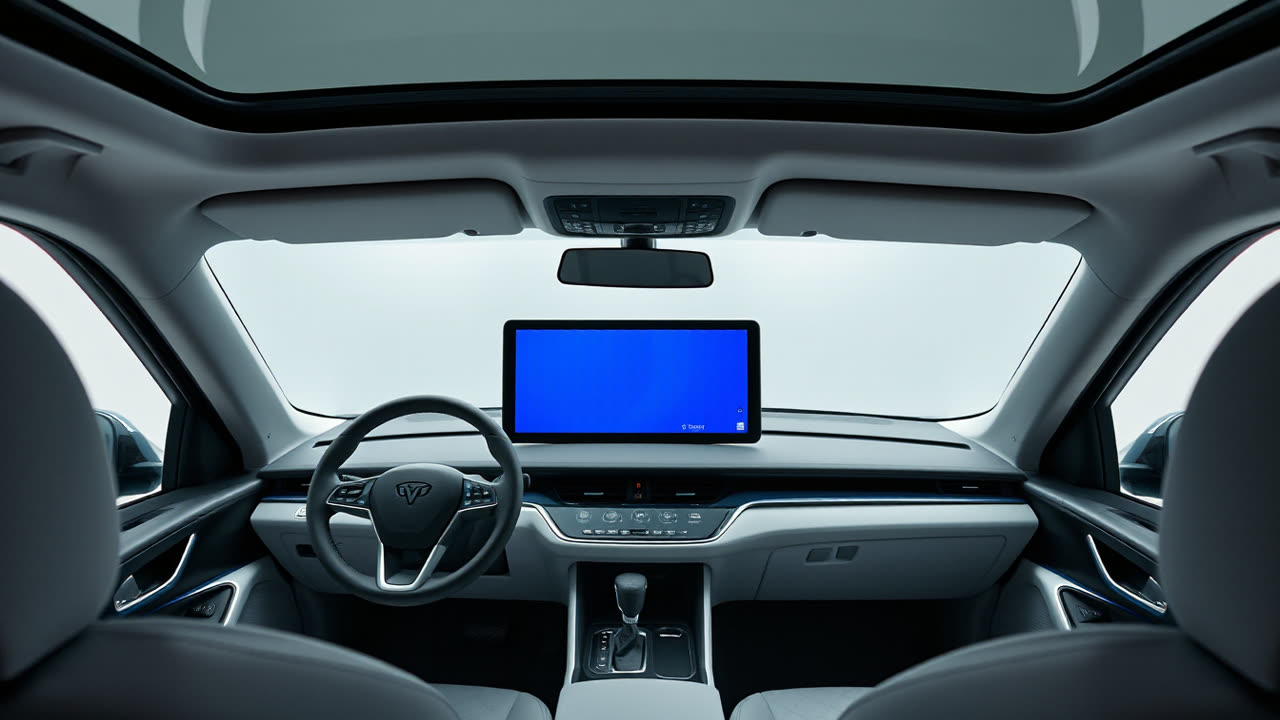
BYD’s most affordable electric vehicle, the Seagull, soon to be unveiled as an upgraded model, features a striking design overhaul centered around a significantly larger, single display screen dominating its refreshed interior. This strategic enhancement, moving away from the current model's smaller dual-screen setup, signals BYD’s relentless pursuit of market dominance by elevating the user experience even in its entry-level offerings, currently sold as the Dolphin Surf in Europe and Dolphin Mini in other international markets. The leaked images confirm a more minimalist dashboard aesthetic, integrating most controls into the central display, a trend previously reserved for higher-tier EVs. This upgrade is not merely cosmetic; it represents a fundamental shift in how BYD perceives the baseline expectation for connected vehicle features, even for consumers seeking maximum value.
The impact on users is profound, transcending mere aesthetics. A larger, more integrated display typically signifies enhanced infotainment capabilities, improved navigation, and potentially more intuitive control over vehicle functions, from climate to driving modes. For budget-conscious buyers, this level of technological sophistication, traditionally associated with premium segments, offers an unprecedented value proposition. It democratizes advanced in-car technology, making features like comprehensive smartphone integration, over-the-air updates, and potentially even advanced driver-assistance system (ADAS) visualizations more accessible. This move could significantly influence purchase decisions, as connectivity and digital interaction become increasingly critical factors for modern consumers, regardless of their budget. BYD's commitment to injecting high-end features into its cheapest model could set a new benchmark for the global entry-level EV market, forcing rivals to accelerate their own technological roadmaps or risk being outmaneuvered.
Within the industry, this upgrade underscores BYD's aggressive strategy to maintain and expand its lead in the global EV market, particularly in the burgeoning budget segment. The current BYD Seagull, known for its ultra-competitive starting price of around $10,000 in China, has already disrupted markets worldwide by offering a compelling combination of affordability, range, and build quality. The addition of a premium-feeling interior, highlighted by the large display, directly addresses one of the few perceived compromises of earlier budget EVs: a sometimes spartan or dated cabin experience. This enhancement directly challenges established automakers and emerging EV startups alike, many of whom struggle to balance cost-effectiveness with desirable features. For instance, while rivals like the Wuling Mini EV focus purely on bare-bones utility, BYD is demonstrating that affordability doesn't have to mean a complete sacrifice of modern conveniences. This strategic move could further compress profit margins for competitors unable to achieve BYD's economies of scale and vertical integration, which allows the company to control costs from battery production to final assembly.
Comparing it to the prior generation, the current BYD Seagull typically features a smaller, rotatable central touchscreen alongside a separate digital instrument cluster. The shift to a single, larger display not only streamlines the dashboard but also suggests a consolidation of software and hardware, potentially leading to a more unified and responsive user interface. This evolution mirrors the trajectory of higher-end EVs, where large, central screens have become a de facto standard. Furthermore, the previous Seagull already offered impressive features for its price point, including LFP Blade Batteries, up to 405 km (252 miles) CLTC range, and even fast charging capabilities. Enhancing the interior experience on top of these already strong fundamentals makes the upcoming model an even more formidable contender. Against international rivals like the upcoming Citroën e-C3 in Europe or various Tata Motors EVs in India, which also aim for affordability, the upgraded Seagull is poised to offer a distinctly more modern and technologically advanced cabin, potentially swaying buyers who prioritize in-car tech.
Looking ahead, BYD’s continued refinement of its budget EV lineup suggests a future where high-quality, feature-rich electric vehicles are accessible to an ever-wider demographic. This move is likely to accelerate the global transition to EVs by removing more barriers to entry, particularly the perception that EVs are inherently expensive or lacking in creature comforts at lower price points. We can anticipate other manufacturers being forced to either match BYD’s value proposition or carve out niche markets based on different differentiators. Furthermore, the integration of a larger screen platform could pave the way for more sophisticated software-defined vehicle features in future iterations, including advanced connectivity services, subscription-based functionalities, and more robust ADAS packages. The next wave of budget EVs will undoubtedly be defined by this escalating technological arms race, with BYD firmly at the vanguard, ensuring that even the cheapest electric cars offer an increasingly premium digital experience.